
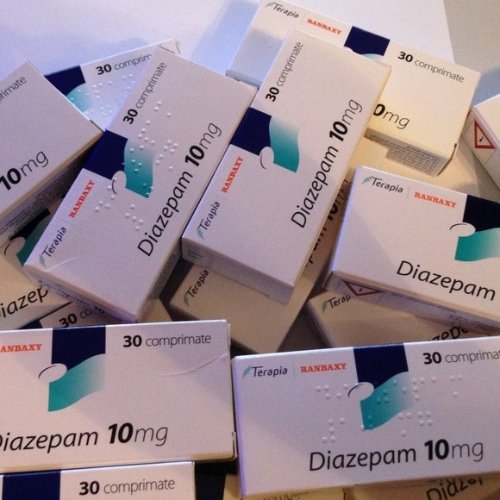
Diazepam 10mg

Price range: €120.00 through €820.00
Diazepam 10 mg is a benzodiazepine medicine used for several conditions requiring calming, muscle relaxation, or seizure control. While it can be effective when prescribed appropriately, it should be used carefully because of risks including drowsiness, dependence, and interactions with other medicines. Always follow your healthcare provider’s instructions and seek medical advice before changing your dose or stopping treatment.
Diazepam 10 mg: Uses, Dosage, Side Effects, Safety, and Frequently Asked Questions
What Is Diazepam 10 mg?
Diazepam 10 mg is a prescription medicine belonging to a group of medicines called benzodiazepines. It has calming, muscle-relaxing, anti-anxiety, and anticonvulsant properties.
Diazepam works by enhancing the activity of gamma-aminobutyric acid (GABA), a natural chemical messenger in the brain that helps reduce excessive nerve activity.
It may be prescribed for short-term treatment of anxiety, muscle spasms, seizures, alcohol withdrawal symptoms, and certain medical procedures. Because diazepam can cause dependence and tolerance, it is usually used carefully and for the shortest duration necessary.
How Diazepam Works
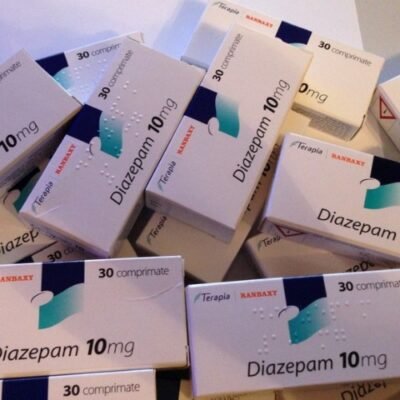
Diazepam affects the central nervous system by increasing the effects of GABA, which helps slow down overactive brain signals.
This action may produce:
- A calming effect
- Reduced anxiety symptoms
- Muscle relaxation
- Reduced seizure activity
- Sedation and drowsiness
The effects of diazepam can last longer than some other benzodiazepines because it remains in the body for an extended period.
Diazepam 10 mg Uses
Diazepam 10 mg may be prescribed for several medical conditions.
Anxiety Disorders
Diazepam may be used for short-term relief of severe anxiety symptoms, including:
- Excessive worry
- Tension
- Restlessness
- Anxiety-related physical symptoms
It is generally not recommended as a long-term treatment for anxiety because of the risk of dependence.
Muscle Spasms
Diazepam may help relieve muscle stiffness and spasms caused by certain conditions affecting the muscles or nervous system.
It works by reducing excessive nerve signals that contribute to muscle tightness.
Seizure Disorders
Diazepam may be used in the management of seizures, including emergencies involving prolonged seizures associated with Epilepsy.
It may be used alongside other seizure treatments when appropriate.
Alcohol Withdrawal Symptoms
Diazepam may be used under medical supervision to help manage symptoms associated with alcohol withdrawal, such as:
- Anxiety
- Agitation
- Tremors
- Sleep difficulties
Medical Procedures
Diazepam may sometimes be used before certain medical procedures to help patients feel relaxed and reduce anxiety.
Benefits of Diazepam 10 mg
When used correctly under medical supervision, diazepam may help:
- Reduce severe anxiety symptoms
- Relax tense muscles
- Control certain seizure-related problems
- Reduce symptoms during alcohol withdrawal treatment
- Provide short-term calming effects before procedures
The benefits must always be weighed against the potential risks of long-term benzodiazepine use.
Diazepam 10 mg Dosage
The appropriate dose depends on:
- The condition being treated
- Age
- General health
- Other medicines being taken
- Response to treatment
- Risk of side effects
General guidance:
- Take exactly as prescribed.
- Do not increase the dose without medical advice.
- Do not stop suddenly after regular use.
- Treatment is often limited to the shortest time needed.
A healthcare professional may reduce the dose gradually when stopping treatment to reduce withdrawal risks.
How to Take Diazepam 10 mg
For safe use:
- Swallow tablets with water.
- Take only the prescribed amount.
- Take doses at the recommended times.
- Avoid activities requiring alertness until you know how the medicine affects you.
- Do not share diazepam with anyone else.
Missed Dose
If you miss a dose:
- Take it when you remember unless it is close to your next dose.
- Skip the missed dose if the next dose is due soon.
- Do not take two doses together.
Follow your healthcare provider’s instructions if diazepam is being used for a specific treatment schedule.
Common Side Effects
Common side effects of diazepam may include:
- Drowsiness
- Sleepiness
- Dizziness
- Tiredness
- Muscle weakness
- Reduced coordination
- Confusion
- Slowed reaction time
These effects may be stronger when starting treatment or after dose increases.
Serious Side Effects
Seek urgent medical help if you experience:
- Severe breathing problems
- Extreme sleepiness or difficulty staying awake
- Severe confusion
- Loss of consciousness
- Severe allergic reaction
- Unusual mood or behavior changes
The risk of serious effects increases when diazepam is combined with other medicines or substances that slow brain activity.
Safety Information
Before taking diazepam, tell your healthcare provider if you have:
- Breathing problems
- Sleep apnea
- Liver disease
- Kidney problems
- A history of substance misuse
- Depression or other mental health conditions
- Muscle weakness disorders such as myasthenia gravis
Older adults may be more sensitive to side effects such as dizziness, confusion, and falls.
Diazepam Dependence and Withdrawal
Diazepam can cause physical dependence, especially when used regularly for a long time or at higher doses.
Possible withdrawal symptoms after stopping suddenly may include:
- Increased anxiety
- Restlessness
- Sleep problems
- Irritability
- Other uncomfortable symptoms
Never stop diazepam suddenly without medical guidance. A healthcare professional can help reduce the dose safely when appropriate.
Drug Interactions
Diazepam may interact with:
- Opioid pain medicines
- Sleeping medicines
- Other anxiety medicines
- Antidepressants
- Antipsychotic medicines
- Some antihistamines
- Muscle relaxants
- Alcohol
Combining diazepam with opioid medicines or alcohol can increase the risk of dangerous sedation and breathing problems.
Always tell your healthcare provider about all medicines, supplements, and herbal products you use.
Alcohol and Diazepam
Avoid alcohol while taking diazepam unless specifically advised otherwise.
Alcohol can increase:
- Drowsiness
- Poor coordination
- Confusion
- Risk of serious breathing problems
Pregnancy and Breastfeeding
Diazepam should only be used during pregnancy or breastfeeding when a healthcare professional determines that the benefits outweigh potential risks.
If you are pregnant, planning pregnancy, or breastfeeding, discuss this with your doctor before taking diazepam.
Storage
Store diazepam:
- At room temperature.
- Away from moisture and direct sunlight.
- In the original packaging.
- Out of reach of children.
- Securely stored to prevent misuse.
Frequently Asked Questions (FAQs)
What is Diazepam 10 mg used for?
Diazepam 10 mg is used for short-term treatment of anxiety, muscle spasms, seizures, alcohol withdrawal symptoms, and relaxation before certain procedures.
Is diazepam a sleeping tablet?
Diazepam can cause drowsiness and may help with sleep problems related to anxiety, but it is not generally recommended as a long-term sleep treatment.
How long does diazepam take to work?
Diazepam can begin producing effects relatively quickly after taking it, although the exact timing varies between individuals.
How long does diazepam stay in the body?
Diazepam has a long duration of action, and its effects and breakdown products may remain in the body for an extended period.
Can I stop diazepam suddenly?
No. Stopping suddenly after regular use may cause withdrawal symptoms. A healthcare professional can advise on gradual dose reduction.
Does diazepam cause drowsiness?
Yes. Drowsiness is one of the most common side effects. Avoid driving or operating machinery if you feel affected.
Can diazepam be taken with painkillers?
Some pain medicines, especially opioid painkillers, can interact with diazepam and increase sedation risks. Always ask a healthcare professional before combining medicines.
Is diazepam addictive?
Diazepam can cause dependence and has the potential for misuse, especially with long-term use or use outside medical guidance.
Can older adults take diazepam?
Older adults may require lower doses or careful monitoring because they may be more sensitive to side effects.
What happens if too much diazepam is taken?
Taking too much diazepam can cause severe drowsiness, confusion, breathing problems, or loss of consciousness. Seek urgent medical help if an overdose is suspected.
Final Thoughts
Diazepam 10 mg is a benzodiazepine medicine used for several conditions requiring calming, muscle relaxation, or seizure control. While it can be effective when prescribed appropriately, it should be used carefully because of risks including drowsiness, dependence, and interactions with other medicines. Always follow your healthcare provider’s instructions and seek medical advice before changing your dose or stopping treatment.
Medical Disclaimer: This article is for educational and informational purposes only and should not replace professional medical advice, diagnosis, or treatment. Always consult a qualified healthcare professional before starting, stopping, or changing any medication.
| Quantity | 30 Pills, 60 Pills, 120 Pills, 180 Pills, 200 Pills, 250 Pills, 300 Pills, 400 Pills, 500 Pills |
|---|
Be the first to review “Diazepam 10mg”
Related products
Drugs

Drugs

Drugs

Drugs

Drugs
Drugs
Drugs
Drugs
Reviews
There are no reviews yet.