
Cefalexin: Uses, Dosage, Side Effects, Safety, and Frequently Asked Questions
Cefalexin: Uses, Dosage, Side Effects & Safety Guide
Learn about Cefalexin (cephalexin), including its uses for bacterial infections, dosage guidance, side effects, safety precautions, drug interactions, and frequently asked questions.
Cefalexin: Everything You Need to Know
Cefalexin (also known as cephalexin) is a prescription cephalosporin antibiotic used to treat a wide range of bacterial infections. It works by interfering with bacterial cell wall formation, causing susceptible bacteria to break down and die. (Medicines.org.uk)
Cefalexin is commonly prescribed for infections affecting the skin, respiratory system, urinary tract, ears, bones, joints, and some dental infections. It does not work against viral infections such as colds or influenza. (Medicines.org.uk)
What Is Cefalexin?
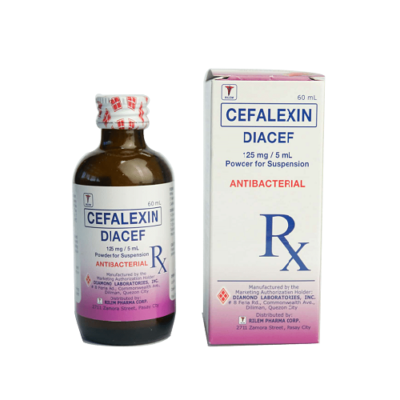
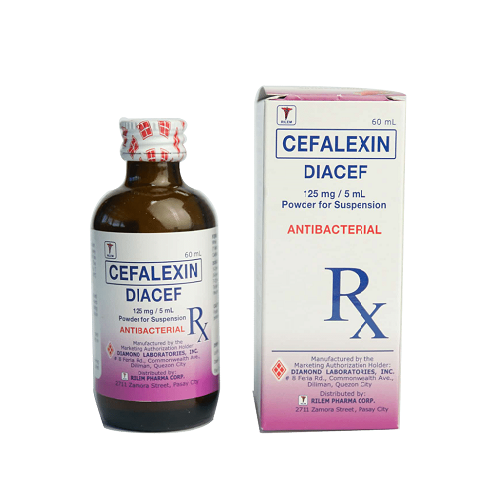
Cefalexin is an antibiotic belonging to the first-generation cephalosporin class.
It is available in forms such as:
- Capsules
- Tablets
- Oral liquid suspension
Common strengths include:
- 250 mg
- 500 mg
The correct strength and duration depend on the type and severity of infection being treated. (Medicines.org.uk)
Approved Medical Uses
Healthcare providers may prescribe Cefalexin for bacterial infections including:
- Respiratory tract infections
- Tonsillitis and throat infections
- Ear infections (otitis media)
- Skin and soft tissue infections
- Urinary tract infections (UTIs)
- Dental infections
- Bone and joint infections
- Certain reproductive system infections (Medicines.org.uk)
Cefalexin should only be used when a bacterial infection is confirmed or strongly suspected by a healthcare professional.
How Does Cefalexin Work?
Cefalexin works by blocking the formation of bacterial cell walls.
This helps:
- Weaken bacterial protection
- Stop bacteria from multiplying
- Destroy susceptible bacteria
- Allow the immune system to clear the infection
How Should Cefalexin Be Taken?
Always take Cefalexin exactly as prescribed by your healthcare provider.
General recommendations include:
- Take doses at evenly spaced times.
- Swallow capsules or tablets with water.
- Complete the full prescribed course.
- Do not share antibiotics with others.
- Do not stop treatment early unless advised by a healthcare professional.
Stopping antibiotics too early may allow the infection to return or contribute to antibiotic resistance. (nhs.uk)
Dosage Information
The dose depends on:
- Type of infection
- Severity of infection
- Age and body weight
- Kidney function
- Response to treatment
Typical adult dosing (general guidance)
- Total daily doses may range from 1 g to 4 g per day, divided into multiple doses depending on the infection. (Medicines.org.uk)
Children
- Dosage is usually based on body weight and divided into several doses per day. (Medicines.org.uk)
Important note
Your healthcare provider will determine the correct dose and treatment length.
Common Side Effects
Like all medicines, Cefalexin may cause side effects.
Common side effects include:
- Nausea
- Diarrhea
- Vomiting
- Stomach discomfort
- Indigestion
- Skin rash
- Itching (Medicines.org.uk)
Taking the medicine with food may help some people reduce stomach discomfort.
Serious Safety Warnings
Although uncommon, serious reactions can occur.
Potential risks include:
- Severe allergic reactions
- Severe skin reactions
- Persistent or severe diarrhea associated with antibiotic use
- Liver or kidney problems
- Changes in blood cell counts (Medicines.org.uk)
Seek urgent medical attention if you experience:
- Difficulty breathing
- Swelling of the face, lips, tongue, or throat
- Severe skin blistering or peeling
- Severe diarrhea
- Yellowing of the skin or eyes
Important Precautions
Before taking Cefalexin, tell your healthcare provider if you have:
- Allergy to Cefalexin or other cephalosporins
- Allergy to penicillin antibiotics
- Kidney disease
- History of severe antibiotic reactions
- Pregnancy or breastfeeding considerations
People with kidney problems may require dose adjustments. (Medicines.org.uk)
Drug Interactions
Cefalexin may interact with some medicines.
Tell your healthcare provider about all:
- Prescription medicines
- Over-the-counter medicines
- Vitamins
- Herbal supplements
Important interactions may include:
- Probenecid (used for gout)
- Metformin (used for diabetes)
- Certain other medicines affecting kidney function (Medicines.org.uk)
Monitoring During Treatment
Healthcare providers may monitor:
- Improvement of infection symptoms
- Allergic reactions
- Side effects
- Kidney function in certain patients
- Treatment response
Contact your healthcare provider if symptoms do not improve or become worse.
Safe Storage
Store Cefalexin according to the product instructions.
General recommendations include:
- Keep tablets or capsules in their original container.
- Store at room temperature.
- Protect from moisture and heat.
- Keep away from children and pets.
- Dispose of unused medication safely.
Frequently Asked Questions
What is Cefalexin used for?
Cefalexin is used to treat bacterial infections including skin infections, respiratory infections, urinary tract infections, ear infections, and some dental infections. (Medicines.org.uk)
Is Cefalexin an antibiotic?
Yes. Cefalexin is a cephalosporin antibiotic used to treat infections caused by susceptible bacteria.
Can Cefalexin treat viral infections?
No. Cefalexin does not treat viral illnesses such as colds or influenza.
What are the most common side effects?
The most common side effects are nausea, diarrhea, vomiting, stomach discomfort, and skin rash. (Medicines.org.uk)
How long does Cefalexin take to work?
Many people begin feeling better after a few days, although the exact time depends on the type and severity of the infection. (nhs.uk)
Can I stop taking Cefalexin when I feel better?
No. Complete the prescribed course unless your healthcare provider tells you otherwise. (nhs.uk)
Is Cefalexin the same as amoxicillin?
No. Both are antibiotics, but Cefalexin belongs to the cephalosporin family while amoxicillin belongs to the penicillin family.
Conclusion
Cefalexin is a commonly used cephalosporin antibiotic that helps treat many bacterial infections affecting the skin, lungs, urinary tract, ears, bones, joints, and other areas of the body.
When used correctly under medical supervision, Cefalexin can be an effective treatment option. Taking the medication exactly as prescribed, completing the recommended course, and reporting any unusual reactions can help support safe and successful treatment.
SEO Keywords
Cefalexin, cephalexin, Cefalexin uses, Cefalexin dosage, Cefalexin side effects, Cefalexin antibiotics, cephalosporin antibiotic, bacterial infection treatment, skin infection antibiotic, UTI antibiotic treatment, respiratory infection medicine, ear infection antibiotic, dental infection treatment, Cefalexin safety, Cefalexin FAQs, prescription antibiotic guide, cephalexin capsules, cephalexin tablets, bacterial infection medicine.
| Quantity | 30 pills, 60 pills, 120 pills, 180 pills, 200 pills, 250 pills, 300 pills, 400 pills, 500 pills |
|---|
Be the first to review “Cefalexin”
Related products

Drugs
Drugs
Drugs
Drugs
Drugs
Drugs
Drugs
Drugs
Reviews
There are no reviews yet.