

Aspirin for Pain Relief: Uses, Dosage, Side Effects, Safety, and Frequently Asked Questions
Aspirin for Pain Relief: Uses, Dosage, Side Effects & Safety Guide
Learn about aspirin for pain relief, including its uses for headache, fever, and inflammation, dosage guidance, side effects, safety precautions, drug interactions, and frequently asked questions.
Aspirin for Pain Relief: Everything You Need to Know
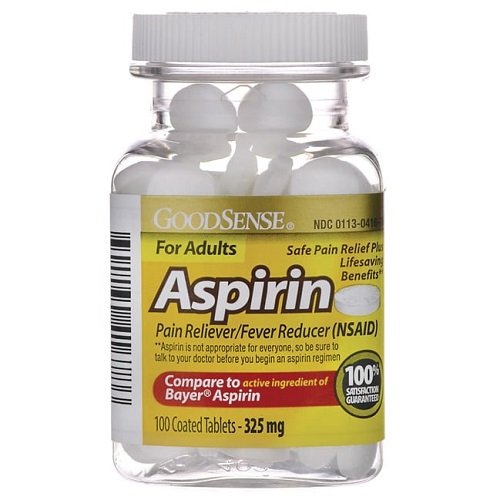
Aspirin is a widely used nonsteroidal anti-inflammatory drug (NSAID) that helps relieve pain, reduce fever, and decrease inflammation. It is commonly used for mild to moderate pain such as headaches, muscle aches, toothache, and menstrual cramps.
Aspirin also has an important role in heart protection at low doses, but this guide focuses mainly on its use for pain relief.
Because aspirin affects blood clotting and the stomach lining, it should be used carefully and according to medical advice, especially with long-term use.
What Is Aspirin?
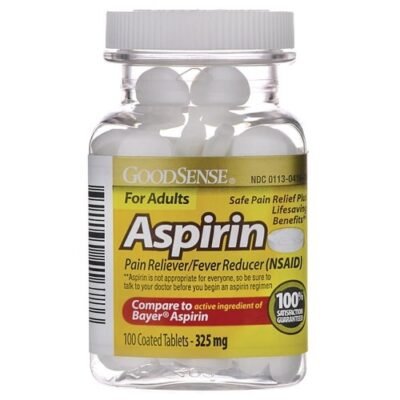
Aspirin (acetylsalicylic acid) belongs to the NSAID class of medications.
It works by blocking cyclooxygenase (COX) enzymes, which reduce the production of prostaglandins—chemicals responsible for pain, inflammation, and fever.
Aspirin is available in:
- Tablets (regular and enteric-coated)
- Chewable tablets
- Effervescent forms (in some regions)
Approved Medical Uses
Aspirin is used for:
- Headache relief
- Toothache
- Muscle pain
- Back pain
- Menstrual cramps
- Fever reduction
- Mild arthritis pain
- Inflammation-related pain
It may also be used in combination pain medications.
How Does Aspirin Work?
Aspirin works by inhibiting COX-1 and COX-2 enzymes.
This helps:
- Reduce pain signals
- Lower fever
- Decrease inflammation
- Thin the blood (anti-platelet effect)
This blood-thinning effect is beneficial in some conditions but increases bleeding risk when used for pain.
How Should Aspirin Be Taken?
Always take aspirin exactly as directed.
General recommendations include:
- Take with food or milk to reduce stomach irritation.
- Swallow tablets with a full glass of water.
- Do not take on an empty stomach if you have stomach sensitivity.
- Do not exceed recommended dose.
- Avoid combining with other NSAIDs unless advised by a healthcare provider.
Dosage Information
Dosage depends on age, condition, and formulation.
Typical adult dosing (general pain relief guidance)
- 325 mg to 650 mg every 4–6 hours as needed
- Maximum daily dose depends on product and medical guidance
Important note
Do not use aspirin for pain in children or teenagers with viral infections unless specifically prescribed due to risk of Reye’s syndrome.
Common Side Effects
Common side effects include:
- Stomach upset
- Heartburn
- Nausea
- Mild stomach pain
- Easy bruising
These are often related to irritation of the stomach lining.
Serious Safety Warnings
Aspirin can cause serious side effects in some people.
Potential risks include:
- Stomach ulcers
- Gastrointestinal bleeding
- Allergic reactions (rash, swelling, breathing difficulty)
- Tinnitus (ringing in the ears) at high doses
- Increased bleeding risk
Seek immediate medical help if you notice:
- Black or bloody stools
- Vomiting blood
- Severe stomach pain
- Unusual bruising or bleeding
Important Precautions
Before taking aspirin, tell your healthcare provider if you have:
- History of stomach ulcers
- Bleeding disorders
- Asthma (aspirin-sensitive asthma)
- Kidney disease
- Liver disease
- Gout
- Pregnancy (especially third trimester)
Aspirin may not be suitable for people with high bleeding risk.
Drug Interactions
Aspirin may interact with several medications.
Inform your healthcare provider about all:
- Prescription medicines
- Over-the-counter drugs
- Herbal supplements
Particular caution is required with:
- Other NSAIDs (ibuprofen, naproxen)
- Blood thinners (warfarin, apixaban)
- Corticosteroids
- SSRIs/SNRIs antidepressants
- Alcohol
These combinations increase bleeding or stomach ulcer risk.
Monitoring During Use
Healthcare providers may monitor:
- Pain relief effectiveness
- Signs of stomach irritation
- Bleeding symptoms
- Kidney function (with long-term use)
- Overall safety in high-risk patients
Safe Storage
Store aspirin properly:
- Keep at room temperature.
- Protect from moisture and heat.
- Keep in original packaging.
- Keep out of reach of children.
- Do not use expired medication.
- Dispose of unused tablets safely.
Frequently Asked Questions
What is aspirin used for?
Aspirin is used to relieve pain, reduce fever, and decrease inflammation from conditions like headaches, muscle pain, toothache, and menstrual cramps.
Is aspirin a painkiller?
Yes. Aspirin is an NSAID pain reliever that also reduces inflammation and fever.
How fast does aspirin work for pain?
It usually begins working within 30–60 minutes, depending on the formulation.
Can I take aspirin every day for pain?
Long-term daily use should only be done under medical supervision due to bleeding and stomach risks.
What is the most common side effect?
The most common side effect is stomach irritation, including heartburn and nausea.
Can aspirin cause bleeding?
Yes. Aspirin can increase the risk of bleeding, especially in the stomach or when combined with blood thinners.
Can children take aspirin?
Aspirin is generally not recommended for children or teenagers with viral infections due to the risk of Reye’s syndrome.
Conclusion
Aspirin is an effective and widely used medication for relieving pain, reducing fever, and decreasing inflammation. It works by blocking inflammatory chemicals in the body and is useful for conditions such as headaches, muscle pain, and menstrual cramps.
However, aspirin also increases the risk of stomach irritation and bleeding, so it should be used carefully and according to medical guidance. Safe dosing, avoiding drug interactions, and taking it with food can help reduce risks.
Aspirin, aspirin uses, aspirin dosage, aspirin side effects, pain relief medication, NSAID painkiller, headache treatment, toothache relief, muscle pain medicine, fever reducer, anti-inflammatory drug, acetylsalicylic acid, aspirin tablets, painkiller guide, aspirin safety, stomach pain from aspirin, blood thinning effect aspirin, OTC pain relief, aspirin FAQs, NSAID medication guide, inflammation treatment, menstrual pain relief, over-the-counter pain medication.
| Quantity | 30 Pills, 60 Pills, 120 Pills, 180 Pills, 200 Pills, 250 Pills, 300 Pills, 400 Pills, 500 Pills |
|---|
Be the first to review “Aspirin for pain relief”
Related products

Drugs
Drugs
Drugs
Drugs

Drugs

Drugs

Drugs
Drugs
Reviews
There are no reviews yet.