
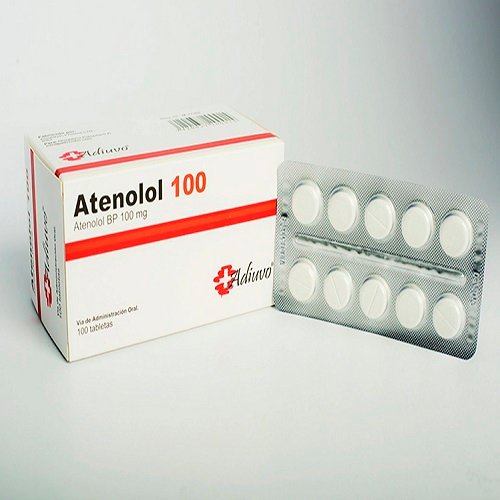
Atenolol: Uses, Dosage, Side Effects, Safety, and Frequently Asked Questions
Atenolol: Uses, Dosage, Side Effects & Safety Guide
Learn about Atenolol, including its uses for high blood pressure, angina, and heart protection, dosage guidance, side effects, safety precautions, drug interactions, and frequently asked questions.
Atenolol: Everything You Need to Know
Atenolol is a prescription medication in the beta-blocker class. It is commonly used to treat high blood pressure (hypertension), chest pain (angina), and to help protect the heart after a heart attack.
Atenolol works by slowing the heart rate and reducing the force of heart contractions, which helps the heart work more efficiently and lowers blood pressure.
Because it affects the cardiovascular system, Atenolol must be used under medical supervision, and stopping it suddenly can be dangerous in some patients.
What Is Atenolol?
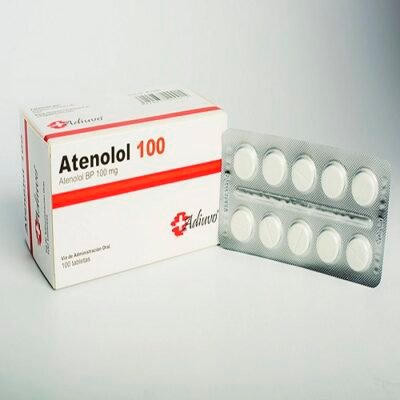
Atenolol is a selective beta-1 adrenergic blocker, meaning it mainly affects receptors in the heart rather than the lungs.
It is available as:
- Oral tablets
- Sometimes intravenous (IV) form in hospital settings
It is commonly used as a long-term medication for heart-related conditions.
Approved Medical Uses
Healthcare providers prescribe Atenolol for:
- High blood pressure (hypertension)
- Angina (chest pain due to reduced blood flow to the heart)
- Heart attack recovery and prevention
- Certain types of irregular heartbeat (arrhythmias)
- Prevention of future cardiovascular events in high-risk patients
How Does Atenolol Work?
Atenolol blocks beta-1 receptors in the heart.
This helps:
- Slow heart rate
- Reduce blood pressure
- Decrease workload on the heart
- Lower oxygen demand of the heart muscle
- Reduce risk of chest pain (angina)
By making the heart work more efficiently, it helps reduce strain on the cardiovascular system.
How Should Atenolol Be Taken?
Always take Atenolol exactly as prescribed.
General recommendations include:
- Take at the same time each day
- Swallow tablets with water
- Can be taken with or without food
- Do not stop suddenly without medical advice
- Follow blood pressure monitoring instructions
Stopping suddenly may lead to worsening chest pain or heart rhythm problems.
Dosage Information
Dosage depends on condition, age, and response to treatment.
Typical adult dosing (general guidance)
Hypertension
- Commonly 25–100 mg once daily
Angina
- Usually 50–100 mg once daily
Post-heart attack
- Often started at low doses (e.g., 50 mg daily) and adjusted as needed
Important note
Your healthcare provider may adjust dosage based on blood pressure and heart rate response.
Common Side Effects
Common side effects include:
- Fatigue
- Dizziness
- Cold hands and feet
- Slow heart rate (bradycardia)
- Low blood pressure
- Nausea
- Sleep disturbances or vivid dreams
Many side effects improve as the body adjusts.
Serious Safety Warnings
Atenolol may cause serious effects in some cases.
Potential risks include:
- Very slow heart rate
- Severe low blood pressure
- Shortness of breath (especially in susceptible patients)
- Worsening heart failure in some cases
- Masking symptoms of low blood sugar in diabetics
- Heart rhythm disturbances
Seek medical help if you experience fainting, severe dizziness, or chest pain worsening.
Important Precautions
Before taking Atenolol, tell your healthcare provider if you have:
- Asthma or chronic lung disease
- Diabetes
- Heart failure
- Slow heart rate (bradycardia)
- Circulation problems
- Thyroid disorders
- Kidney disease
- Pregnancy or breastfeeding considerations
Patients with asthma need special caution because beta-blockers can sometimes affect breathing.
Drug Interactions
Atenolol may interact with other medications.
Inform your healthcare provider about:
- Other blood pressure medicines
- Calcium channel blockers (e.g., verapamil, diltiazem)
- Digoxin
- Insulin or diabetes medications
- NSAIDs (e.g., ibuprofen, naproxen)
- Certain antidepressants
These may increase side effects or alter heart rate and blood pressure control.
Monitoring During Treatment
Healthcare providers may monitor:
- Blood pressure
- Heart rate
- ECG (in some patients)
- Blood sugar (especially in diabetics)
- Kidney function
Regular monitoring helps ensure safe and effective treatment.
Safe Storage
Store Atenolol properly:
- Keep at room temperature
- Protect from moisture and heat
- Store in original packaging
- Keep out of reach of children
- Do not use expired medication
- Dispose of unused tablets safely
Frequently Asked Questions
What is Atenolol used for?
Atenolol is used to treat high blood pressure, angina, heart rhythm problems, and to help protect the heart after a heart attack.
Is Atenolol a beta-blocker?
Yes. Atenolol is a selective beta-1 blocker that mainly affects the heart.
How long does Atenolol take to work?
It may start lowering blood pressure within a few hours, but full effects can take several days to weeks.
Can I stop Atenolol suddenly?
No. Stopping suddenly may cause chest pain, increased heart rate, or serious heart problems.
Does Atenolol cause fatigue?
Yes. Fatigue is a common side effect, especially at the start of treatment.
Can Atenolol affect breathing?
In some people, especially those with asthma or lung disease, it may worsen breathing symptoms.
Is Atenolol safe long-term?
Yes, when taken under medical supervision with regular monitoring.
Conclusion
Atenolol is a widely used beta-blocker that helps manage high blood pressure, angina, and heart-related conditions by slowing the heart rate and reducing cardiac workload. It is effective for long-term cardiovascular protection when used correctly.
However, it must be taken consistently and not stopped suddenly, as this can cause serious heart-related complications. Regular monitoring and medical follow-up help ensure safe and effective treatment.
Atenolol, Atenolol uses, Atenolol dosage, Atenolol side effects, beta blocker medication, hypertension treatment, high blood pressure medicine, angina treatment, heart attack medication, selective beta blocker, heart rate control medication, cardiovascular drug guide, Atenolol safety, blood pressure tablets, prescription beta blocker, heart medication guide, Atenolol FAQs, arrhythmia treatment, cardiac medication, long-term blood pressure control.
| Quantity | 30 Pills, 60 Pills, 120 Pills, 180 Pills, 200 Pills, 250 Pills, 300 Pills, 400 Pills, 500 Pills |
|---|
Be the first to review “Atenolol”
Related products
Drugs
Drugs
Drugs
Drugs
Drugs
Drugs
Drugs
Drugs
Reviews
There are no reviews yet.