
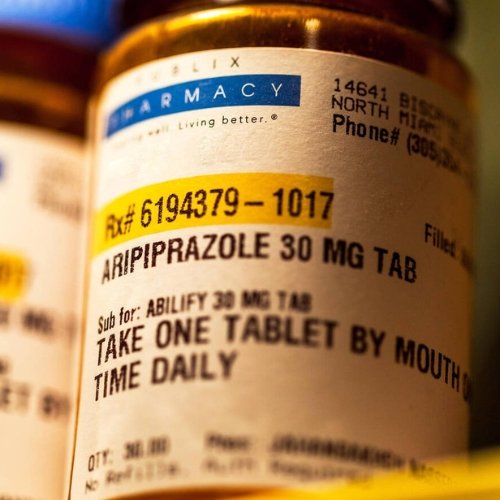


Aripiprazole: Uses, Dosage, Side Effects, Safety, and Frequently Asked Questions
Aripiprazole: Uses, Dosage, Side Effects & Safety Guide
Learn about Aripiprazole, including its uses for schizophrenia, bipolar disorder, and depression, dosage guidance, side effects, safety precautions, drug interactions, and frequently asked questions.
Aripiprazole: Everything You Need to Know
Aripiprazole is a prescription atypical antipsychotic medication used to treat several mental health conditions, including schizophrenia, bipolar disorder, and as an add-on treatment for major depressive disorder. It is also used in some cases for irritability associated with autism spectrum disorder.
Aripiprazole works by affecting brain chemicals such as dopamine and serotonin, helping to stabilize mood, reduce hallucinations, and improve thinking and behavior.
Because it affects brain chemistry, Aripiprazole must be used under close medical supervision.
What Is Aripiprazole?
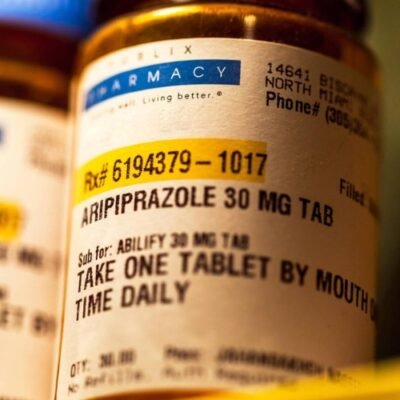
Aripiprazole is an atypical (second-generation) antipsychotic.
It is available in several forms:
- Oral tablets
- Orally disintegrating tablets
- Oral solution
- Long-acting injectable (depot injection)
It is commonly used for both short-term stabilization and long-term maintenance treatment.
Approved Medical Uses
Healthcare providers may prescribe Aripiprazole for:
- Schizophrenia
- Bipolar I disorder (mania and maintenance treatment)
- Major depressive disorder (as add-on therapy)
- Irritability associated with autism spectrum disorder
- Tourette syndrome (in some cases)
How Does Aripiprazole Work?
Aripiprazole is a dopamine D2 and serotonin 5-HT1A partial agonist.
It helps:
- Balance dopamine activity in the brain
- Reduce hallucinations and delusions
- Stabilize mood swings
- Improve focus and thinking
- Reduce agitation or irritability
Its “partial agonist” action means it can both increase or decrease dopamine activity depending on brain levels, helping to stabilize mood rather than fully block dopamine.
How Should Aripiprazole Be Taken?
Always take Aripiprazole exactly as prescribed.
General recommendations include:
- Take once daily (with or without food).
- Take at the same time each day.
- Do not stop suddenly without medical advice.
- Swallow tablets whole unless using orally disintegrating form.
- If using injections, they are given by a healthcare professional.
Treatment may take several weeks before full effects are seen.
Dosage Information
Dosage depends on:
- Condition being treated
- Age
- Response to treatment
- Other medications
Typical adult dosing (general guidance)
Schizophrenia
- Commonly 10–15 mg once daily
Bipolar disorder
- Often 15 mg once daily, adjusted as needed
Depression (add-on therapy)
- Usually 2–5 mg once daily, may increase gradually
Important note
Only a healthcare provider should adjust dosage. The lowest effective dose is typically used.
Common Side Effects
Common side effects include:
- Nausea
- Headache
- Dizziness
- Anxiety or restlessness (akathisia)
- Insomnia
- Sleepiness
- Constipation
- Fatigue
Some side effects may improve over time as the body adjusts.
Serious Safety Warnings
Aripiprazole carries important risks that require monitoring.
Potential serious side effects include:
- Suicidal thoughts (especially in young people)
- Severe movement disorders (tardive dyskinesia)
- Neuroleptic malignant syndrome (rare but life-threatening)
- High blood sugar or diabetes
- Significant weight gain (varies by person)
- Severe allergic reactions
Seek immediate medical help if you experience muscle stiffness, high fever, confusion, uncontrollable movements, or worsening mood symptoms.
Important Precautions
Before taking Aripiprazole, tell your healthcare provider if you have:
- Diabetes or high blood sugar
- Heart disease or irregular heartbeat
- Seizure disorders
- Low white blood cell counts
- History of suicidal thoughts or depression
- Liver disease
- Pregnancy or breastfeeding considerations
Older adults with dementia-related psychosis have an increased risk of serious side effects and should avoid use unless specifically directed.
Drug Interactions
Aripiprazole may interact with several medications.
Inform your healthcare provider about all:
- Prescription medicines
- Over-the-counter drugs
- Herbal supplements
Particular caution is required with:
- Antidepressants (SSRIs, SNRIs)
- Antifungal medications (e.g., ketoconazole)
- Anticonvulsants (e.g., carbamazepine)
- Blood pressure medications
- Alcohol or sedatives
These interactions may affect drug levels or increase side effects.
Monitoring During Treatment
Healthcare providers may monitor:
- Mental health symptoms
- Weight and metabolic changes
- Blood sugar levels
- Cholesterol levels
- Movement-related side effects
- Mood changes or suicidal thoughts
Regular follow-up is essential for safe long-term use.
Safe Storage
Store Aripiprazole properly:
- Keep at room temperature.
- Store in original packaging.
- Protect from moisture and heat.
- Keep out of reach of children.
- Do not share medication.
- Dispose of unused tablets safely.
Frequently Asked Questions
What is Aripiprazole used for?
Aripiprazole is used to treat schizophrenia, bipolar disorder, depression (as add-on therapy), and irritability in autism spectrum disorder.
Is Aripiprazole an antipsychotic?
Yes. It is an atypical (second-generation) antipsychotic medication.
How long does Aripiprazole take to work?
Some improvement may be seen within 1–2 weeks, but full effects may take several weeks.
Does Aripiprazole cause weight gain?
It may cause weight gain in some people, but generally less than some other antipsychotics.
Can I stop Aripiprazole suddenly?
No. Stopping suddenly may worsen symptoms or cause withdrawal effects. Always consult your healthcare provider.
Does Aripiprazole make you sleepy?
It can cause either sleepiness or insomnia, depending on the individual.
Is Aripiprazole safe long-term?
Yes, when used under medical supervision with regular monitoring.
Conclusion
Aripiprazole is an atypical antipsychotic used to treat schizophrenia, bipolar disorder, depression (as an add-on), and other psychiatric conditions. It works by stabilizing dopamine and serotonin activity in the brain, helping improve mood, behavior, and thinking.
While effective, it requires careful monitoring due to potential side effects such as movement disorders, metabolic changes, and mood changes. Taking it exactly as prescribed and attending regular follow-ups helps ensure safe and effective treatment.
Aripiprazole, Aripiprazole uses, Aripiprazole dosage, Aripiprazole side effects, antipsychotic medication, atypical antipsychotic, schizophrenia treatment, bipolar disorder medication, depression add-on treatment, dopamine stabilizer, serotonin dopamine medication, Abilify alternative, psychiatric medication guide, mental health treatment, Aripiprazole safety, mood stabilizer antipsychotic, psychosis treatment, behavioral disorder medication, Aripiprazole FAQs, prescription antipsychotic, neuroleptic medication guide.
| Quantity | 30 Pills, 60 Pills, 120 Pills, 180 Pills, 200 Pills, 250 Pills, 300 Pills, 400 Pills, 500 Pills |
|---|
Be the first to review “Aripiprazole”
Related products

Drugs

Drugs
Drugs

Drugs

Drugs

Drugs

Drugs

Drugs
Reviews
There are no reviews yet.