
Catapres 150 mcg: Uses, Dosage, Side Effects, Safety, and Frequently Asked Questions
Catapres 150 mcg: Uses, Dosage, Side Effects & Safety Guide
Learn about Catapres 150 mcg (clonidine), including its uses for high blood pressure and other medical conditions, dosage guidance, side effects, safety precautions, drug interactions, and frequently asked questions.
Catapres 150 mcg: Everything You Need to Know
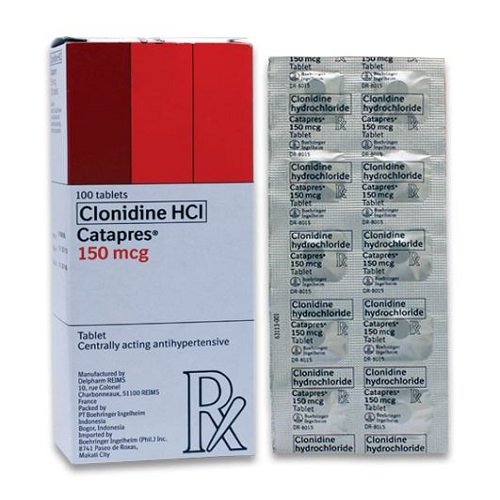
Catapres 150 mcg is a prescription medication containing clonidine hydrochloride, a medicine that belongs to a group called centrally acting alpha-2 adrenergic agonists. It is mainly used to treat high blood pressure (hypertension) and may also be used for other conditions when prescribed by a healthcare professional.
Clonidine works by reducing signals from the brain that increase blood pressure. This causes blood vessels to relax and the heart to work with less strain.
Because Catapres affects the nervous system and blood pressure, it should be taken exactly as prescribed. Stopping it suddenly may cause a rapid rise in blood pressure.
What Is Catapres 150 mcg?
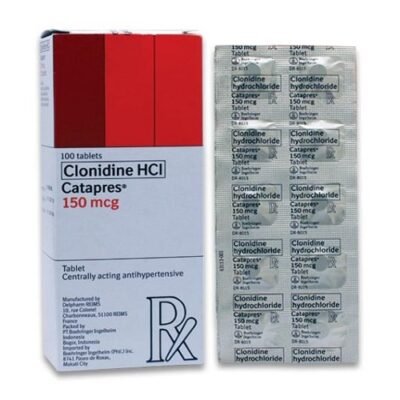
Catapres contains the active ingredient clonidine hydrochloride.
The 150 mcg strength contains:
- Clonidine hydrochloride 150 micrograms (0.15 mg)
It is available in forms such as:
- Tablets
- Extended-release tablets (for some indications)
- Transdermal patches (in some countries)
Approved Medical Uses
Healthcare providers may prescribe Catapres for:
- High blood pressure (hypertension)
- Management of blood pressure when other treatments are not suitable
- Attention-deficit/hyperactivity disorder (ADHD) in certain formulations and situations
- Certain withdrawal-related symptoms under medical supervision
- Other specialist uses when clinically appropriate
The approved uses may vary depending on the country and formulation.
How Does Catapres Work?
Clonidine stimulates alpha-2 receptors in the brain, which reduces sympathetic nervous system activity.
This helps:
- Lower blood pressure
- Reduce heart rate
- Relax blood vessels
- Decrease excessive nerve activity
How Should Catapres 150 mcg Be Taken?
Always take Catapres exactly as prescribed.
General recommendations include:
- Take tablets at the same time each day.
- Swallow with water.
- Do not stop suddenly unless advised by a healthcare provider.
- Follow dose adjustments carefully.
- Monitor blood pressure as recommended.
Sudden discontinuation may cause rebound hypertension, where blood pressure rises quickly.
Dosage Information
Dosage depends on:
- The condition being treated
- Blood pressure response
- Age
- Other medications
- Medical history
Typical adult dosing (general guidance)
- Treatment often begins with a lower dose.
- The dose may be gradually adjusted depending on response.
- 150 mcg (0.15 mg) is a commonly available tablet strength.
Important note
Your healthcare provider will determine the appropriate dose and schedule. Do not adjust the dose yourself.
Common Side Effects
Common side effects may include:
- Drowsiness
- Dry mouth
- Dizziness
- Fatigue
- Constipation
- Headache
- Low blood pressure
- Slow heartbeat
These effects may be more noticeable when starting treatment.
Serious Safety Warnings
Although uncommon, serious side effects may occur.
Potential risks include:
- Very low blood pressure
- Slow heart rate
- Fainting
- Severe allergic reactions
- Rebound hypertension after sudden stopping
- Excessive sedation
Seek medical advice urgently if you experience:
- Fainting
- Severe dizziness
- Chest pain
- Difficulty breathing
- Swelling of the face, lips, or throat
Important Precautions
Before taking Catapres, tell your healthcare provider if you have:
- Heart rhythm problems
- Slow heartbeat
- Low blood pressure
- Kidney disease
- Liver disease
- Depression or other mental health conditions
- Pregnancy or breastfeeding considerations
Older adults may be more sensitive to dizziness and sedation.
Drug Interactions
Catapres may interact with other medicines.
Tell your healthcare provider about all:
- Prescription medicines
- Over-the-counter medicines
- Vitamins
- Herbal supplements
Important interactions may include:
- Other blood pressure medicines
- Sedatives
- Sleeping medicines
- Alcohol
- Certain antidepressants
- Medicines affecting heart rate
Combining medicines that slow the nervous system may increase drowsiness or dizziness.
Monitoring During Treatment
Healthcare providers may monitor:
- Blood pressure
- Heart rate
- Symptoms of dizziness or fainting
- Treatment effectiveness
- Side effects
Regular monitoring helps ensure safe use.
Safe Storage
Store Catapres according to the product instructions.
General recommendations include:
- Keep tablets in the original packaging.
- Store at room temperature.
- Protect from moisture and excessive heat.
- Keep out of reach of children and pets.
- Do not use expired medication.
Frequently Asked Questions
What is Catapres 150 mcg used for?
Catapres 150 mcg is mainly used to treat high blood pressure by reducing nerve signals that increase blood pressure.
Is Catapres the same as clonidine?
Yes. Catapres is a brand name for the medication clonidine.
Does Catapres lower heart rate?
Yes. Clonidine can reduce heart rate in some people because it decreases nervous system activity.
Can I stop Catapres suddenly?
No. Stopping suddenly may cause a rapid increase in blood pressure and other withdrawal-related effects. Dose reduction should be supervised by a healthcare provider.
What are the most common side effects?
The most common side effects include drowsiness, dry mouth, dizziness, fatigue, constipation, and low blood pressure.
Can Catapres make you sleepy?
Yes. Drowsiness and sedation are common, especially when starting treatment or increasing the dose.
How long does Catapres take to work?
Blood pressure effects may begin within hours, but the full response depends on the individual and treatment plan.
Conclusion
Catapres 150 mcg is a prescription medication containing clonidine used primarily for managing high blood pressure and reducing excessive nervous system activity. By lowering signals from the brain that increase blood pressure, it helps relax blood vessels and reduce strain on the cardiovascular system.
Because Catapres can cause dizziness, sedation, slow heart rate, and rebound hypertension if stopped suddenly, it should always be taken under medical supervision. Following the prescribed dose and attending regular check-ups can help ensure safe and effective treatment.
Catapres 150 mcg, Catapres, clonidine 150 mcg, clonidine hydrochloride, Catapres uses, Catapres dosage, Catapres side effects, blood pressure medication, hypertension treatment, alpha 2 agonist, centrally acting antihypertensive, clonidine tablets, prescription blood pressure medicine, Catapres safety, Catapres FAQs, hypertension medication guide, cardiovascular medicine, clonidine treatment.
| Quantity | 30 pills, 60 pills, 120 pills, 180 pills, 200 pills, 250 pills, 300 pills, 400 pills, 500 pills |
|---|
Be the first to review “Catapres 150mcg”
Related products
Drugs
Drugs

Drugs
Drugs


Drugs
Drugs
Drugs
Reviews
There are no reviews yet.