
Carvedilol: Uses, Dosage, Side Effects, Safety, and Frequently Asked Questions
Carvedilol: Uses, Dosage, Side Effects & Safety Guide
Learn about Carvedilol, including its uses for heart failure and high blood pressure, dosage guidance, side effects, safety precautions, drug interactions, and frequently asked questions.
Carvedilol: Everything You Need to Know
Carvedilol is a prescription medication used to treat high blood pressure (hypertension) and heart failure, and to improve survival after certain types of heart damage, including after a heart attack in selected patients.
Carvedilol belongs to a group of medicines called beta-blockers. Unlike some beta-blockers, Carvedilol also blocks alpha-1 receptors, which helps relax blood vessels and reduce the workload on the heart.
By slowing the heart rate and reducing the force of heart contraction, Carvedilol helps the heart pump more efficiently and lowers blood pressure.
What Is Carvedilol?
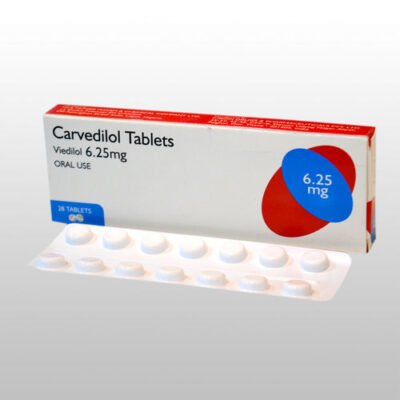
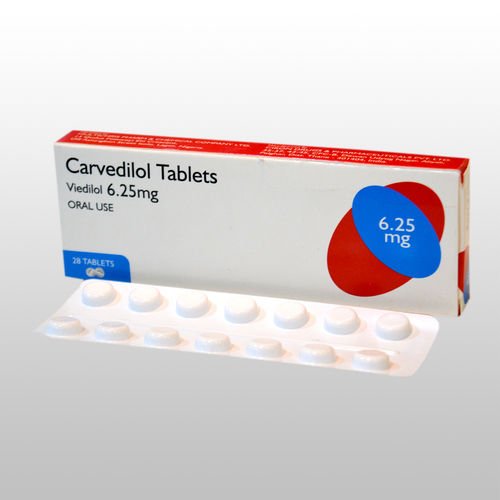
Carvedilol is an oral medication available as:
- Immediate-release tablets
- Extended-release capsules (in some countries)
Common tablet strengths include:
- 3.125 mg
- 6.25 mg
- 12.5 mg
- 25 mg
The correct strength depends on the condition being treated and how the patient responds to therapy.
Approved Medical Uses
Healthcare providers prescribe Carvedilol for:
- High blood pressure (hypertension)
- Heart failure with reduced ejection fraction (HFrEF)
- Left ventricular dysfunction after a heart attack
- Reducing strain on the heart
- Improving heart function in certain cardiovascular conditions
Carvedilol is usually used as part of a broader treatment plan that may include other heart medications and lifestyle changes.
How Does Carvedilol Work?
Carvedilol works through two main actions:
Beta-blocking effect
It helps:
- Slow heart rate
- Reduce the heart’s workload
- Decrease oxygen demand by the heart
Alpha-1 blocking effect
It helps:
- Relax blood vessels
- Lower blood pressure
- Improve blood flow
Together, these effects help the heart work more efficiently.
How Should Carvedilol Be Taken?
Always take Carvedilol exactly as prescribed by your healthcare provider.
General recommendations include:
- Take with food to reduce the risk of dizziness.
- Take at the same time each day.
- Do not stop suddenly without medical advice.
- Follow your prescribed dose adjustments carefully.
- Monitor blood pressure and heart rate as advised.
Stopping Carvedilol suddenly may worsen heart conditions or increase the risk of serious heart-related problems.
Dosage Information
Dosage depends on:
- Condition being treated
- Blood pressure levels
- Heart function
- Age
- Other medications
- Treatment response
Typical adult dosing (general guidance)
Heart Failure
- Often started at a low dose, such as 3.125 mg twice daily
- Dose may be gradually increased as tolerated
High Blood Pressure
- May start with a low dose and increase based on response
After Heart Attack
- Dose is individualized based on heart function and tolerance
Important note
Carvedilol doses are usually increased gradually under medical supervision.
Common Side Effects
Common side effects may include:
- Dizziness
- Tiredness
- Low blood pressure
- Slow heartbeat
- Diarrhea
- Weight changes
- Cold hands and feet
- Weakness
These effects are often more noticeable when starting treatment or after dose increases.
Serious Safety Warnings
Although uncommon, serious side effects may occur.
Potential risks include:
- Very slow heart rate
- Severe low blood pressure
- Worsening heart failure symptoms when starting treatment
- Breathing problems in people with asthma or certain lung conditions
- Severe allergic reactions
- Low blood sugar warning signs being harder to recognize in people with diabetes
Seek urgent medical attention if you experience:
- Fainting
- Severe breathing difficulty
- Chest pain
- Unusual swelling
- Very slow heartbeat
Important Precautions
Before taking Carvedilol, tell your healthcare provider if you have:
- Asthma or chronic lung disease
- Slow heartbeat
- Heart rhythm problems
- Severe liver disease
- Diabetes
- Circulation problems
- Thyroid disorders
- History of severe allergic reactions
People with diabetes may need additional monitoring because beta-blockers can affect awareness of low blood sugar symptoms.
Drug Interactions
Carvedilol may interact with other medicines.
Tell your healthcare provider about all:
- Prescription medications
- Over-the-counter medicines
- Vitamins
- Herbal supplements
Important interactions may include:
- Other blood pressure medications
- Calcium channel blockers (such as verapamil or diltiazem)
- Digoxin
- Insulin and diabetes medicines
- Certain heart rhythm medications
- Other beta-blockers
- Some antidepressants
Your healthcare provider may adjust doses or monitor you more closely.
Monitoring During Treatment
Healthcare providers may monitor:
- Blood pressure
- Heart rate
- Heart failure symptoms
- Weight changes
- Kidney function (when appropriate)
- Overall response to treatment
Regular follow-up helps ensure the medication is working safely.
Safe Storage
Store Carvedilol according to the product instructions.
General recommendations include:
- Keep tablets in the original container.
- Store at room temperature.
- Protect from moisture and excessive heat.
- Keep away from children and pets.
- Do not use expired medication.
Frequently Asked Questions
What is Carvedilol used for?
Carvedilol is used to treat high blood pressure, heart failure, and certain heart problems after a heart attack.
Is Carvedilol a beta-blocker?
Yes. Carvedilol is a beta-blocker that also blocks alpha-1 receptors, helping relax blood vessels.
Does Carvedilol lower heart rate?
Yes. One of its effects is slowing the heart rate, which reduces the workload on the heart.
Can I stop Carvedilol suddenly?
No. Stopping suddenly may worsen heart conditions and should only be done under medical supervision.
What are the most common side effects?
Common side effects include dizziness, tiredness, low blood pressure, slow heartbeat, diarrhea, and cold hands or feet.
Should Carvedilol be taken with food?
Yes. Taking Carvedilol with food is generally recommended because it can help reduce the risk of sudden drops in blood pressure.
How long does Carvedilol take to work?
Blood pressure effects may begin within days, but improvements in heart function may take several weeks or longer.
Conclusion
Carvedilol is an important cardiovascular medication used to manage high blood pressure, heart failure, and certain heart conditions. By reducing the heart’s workload and relaxing blood vessels, it helps improve circulation and supports better heart function.
Because Carvedilol affects heart rate and blood pressure, it should be taken exactly as prescribed. Regular monitoring, gradual dose adjustments, and communication with a healthcare provider are essential for safe and effective treatment.
Carvedilol, Carvedilol uses, Carvedilol dosage, Carvedilol side effects, Carvedilol tablets, beta blocker medication, heart failure treatment, hypertension medication, blood pressure medicine, cardiovascular treatment, heart attack recovery medication, alpha beta blocker, heart health medicine, Carvedilol safety, Carvedilol FAQs, prescription heart medication, cardiac medication guide, heart failure management.
| Quantity | 30 pills, 60 pills, 120 pills, 180 pills, 200 pills, 250 pills, 300 pills, 400 pills, 500 pills |
|---|
Be the first to review “Carvedilol”
Related products
Drugs
Drugs
Drugs
Drugs
Drugs
Drugs
Drugs
Drugs
Reviews
There are no reviews yet.