
Carbocisteine: Uses, Dosage, Side Effects, Safety, and Frequently Asked Questions
Carbocisteine: Uses, Dosage, Side Effects & Safety Guide
Learn about Carbocisteine, including its uses for chest congestion and mucus-related respiratory conditions, dosage guidance, side effects, safety precautions, drug interactions, and frequently asked questions.
Carbocisteine: Everything You Need to Know
Carbocisteine is a prescription mucolytic medication used to help loosen and clear thick mucus from the airways. It is commonly prescribed for respiratory conditions where excessive or sticky mucus makes breathing difficult.
Carbocisteine works by changing the structure of mucus, making it thinner and easier to cough up. It is often used as part of the management of conditions such as chronic obstructive pulmonary disease (COPD) and other long-term respiratory disorders associated with excessive mucus production.
What Is Carbocisteine?
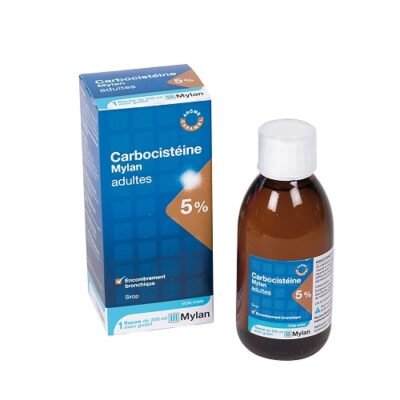
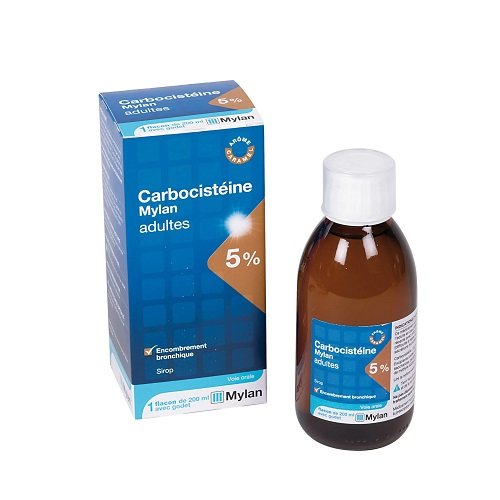
Carbocisteine (also known as carbocysteine) is a medicine that belongs to the class of drugs called mucolytics.
It is available as:
- Capsules
- Tablets
- Oral liquid/syrup
- Sachets (in some countries)
Different strengths are available depending on the formulation and country.
Approved Medical Uses
Healthcare providers may prescribe Carbocisteine for:
- Chronic bronchitis
- Chronic obstructive pulmonary disease (COPD)
- Respiratory conditions with excessive mucus production
- Long-term airway diseases where mucus clearance is difficult
It may help reduce mucus thickness and improve airway clearance.
How Does Carbocisteine Work?
Carbocisteine works by affecting the chemical structure of mucus in the respiratory tract.
It helps:
- Reduce mucus thickness
- Make phlegm easier to cough up
- Improve mucus clearance from the lungs
- Support easier breathing in some respiratory conditions
It does not directly kill bacteria or treat infections by itself.
How Should Carbocisteine Be Taken?
Always take Carbocisteine according to your healthcare provider’s instructions.
General recommendations include:
- Take the medication exactly as prescribed.
- Swallow capsules or tablets with water.
- Measure liquid doses carefully if using syrup.
- Drink enough fluids unless your healthcare provider has advised otherwise.
- Continue treatment for the recommended duration.
Dosage Information
Dosage depends on:
- Age
- Medical condition
- Severity of mucus symptoms
- Formulation being used
- Response to treatment
Typical adult dosing (general guidance)
Dosages vary depending on the product strength and country-specific guidelines.
Common adult treatment schedules may involve:
- Several doses per day initially
- A lower maintenance dose after symptoms improve
Important note
Always follow the dosage instructions provided with your specific Carbocisteine product or prescribed by your healthcare provider.
Common Side Effects
Most people tolerate Carbocisteine well.
Common side effects may include:
- Nausea
- Vomiting
- Diarrhea
- Stomach discomfort
- Heartburn
- Skin rash
Taking the medicine with food may help reduce stomach irritation for some people.
Serious Safety Warnings
Although uncommon, serious side effects may occur.
Potential risks include:
- Severe allergic reactions
- Gastrointestinal bleeding (rare)
- Severe skin reactions
- Worsening stomach ulcers
Seek urgent medical attention if you experience:
- Difficulty breathing
- Swelling of the face, lips, or throat
- Severe skin rash
- Vomiting blood
- Black stools
- Severe abdominal pain
Important Precautions
Before taking Carbocisteine, tell your healthcare provider if you have:
- Stomach ulcers or a history of gastrointestinal bleeding
- Asthma
- Kidney disease
- Liver disease
- Pregnancy or breastfeeding considerations
People with a history of stomach problems may require extra monitoring.
Drug Interactions
Carbocisteine generally has few known drug interactions.
However, inform your healthcare provider about all:
- Prescription medications
- Over-the-counter medicines
- Vitamins
- Herbal supplements
Your healthcare provider can check for potential interactions based on your complete medication list.
Monitoring During Treatment
Healthcare providers may monitor:
- Improvement in mucus symptoms
- Breathing difficulties
- Side effects
- Response to treatment
- Underlying respiratory condition
If symptoms worsen or breathing becomes more difficult, medical advice should be sought.
Safe Storage
Store Carbocisteine according to the product instructions.
General recommendations include:
- Keep medication in the original packaging.
- Store at room temperature.
- Protect from heat and moisture.
- Keep out of reach of children.
- Do not use after the expiry date.
- Dispose of unused medication safely.
Frequently Asked Questions
What is Carbocisteine used for?
Carbocisteine is used to loosen thick mucus in respiratory conditions such as chronic bronchitis and COPD, helping make phlegm easier to clear.
Is Carbocisteine an antibiotic?
No. Carbocisteine is not an antibiotic. It is a mucolytic that helps break down and thin mucus.
How long does Carbocisteine take to work?
Some people notice improvement within a few days, but the response depends on the underlying respiratory condition.
Can Carbocisteine be used for a cough?
Carbocisteine may help when a cough is caused by thick mucus or phlegm. It is not usually helpful for dry coughs without mucus.
What are the most common side effects?
Common side effects include nausea, diarrhea, stomach discomfort, vomiting, and skin rash.
Can I take Carbocisteine with other cough medicines?
Always check with a healthcare provider before combining medicines. Some cough suppressants may reduce the ability to clear loosened mucus.
Is Carbocisteine safe during pregnancy?
Carbocisteine should only be used during pregnancy if recommended by a healthcare provider after assessing potential benefits and risks.
Conclusion
Carbocisteine is a mucolytic medication used to help loosen and clear thick mucus from the airways in respiratory conditions such as chronic bronchitis and COPD. By reducing mucus thickness, it can make coughing more productive and improve airway clearance.
For safe and effective use, take Carbocisteine exactly as prescribed, stay adequately hydrated if appropriate, and report any unusual symptoms or allergic reactions to your healthcare provider.
Carbocisteine, Carbocisteine uses, Carbocisteine dosage, Carbocisteine side effects, carbocysteine medication, mucus clearing medicine, mucolytic drug, chest congestion treatment, COPD mucus treatment, chronic bronchitis medication, phlegm relief medicine, respiratory mucus thinner, cough with mucus treatment, airway clearance medication, Carbocisteine safety, Carbocisteine FAQs, respiratory health guide, prescription mucolytic.
| Quantity | 30 syrup, 60 syrup, 120 syrup, 180 syrup, 200 syrup, 250 syrup, 300 syrup, 400 syrup, 500 syrup |
|---|
Be the first to review “Carbocisteine”
Related products
Drugs

Drugs
Drugs

Drugs
Drugs

Drugs
Drugs
Reviews
There are no reviews yet.