
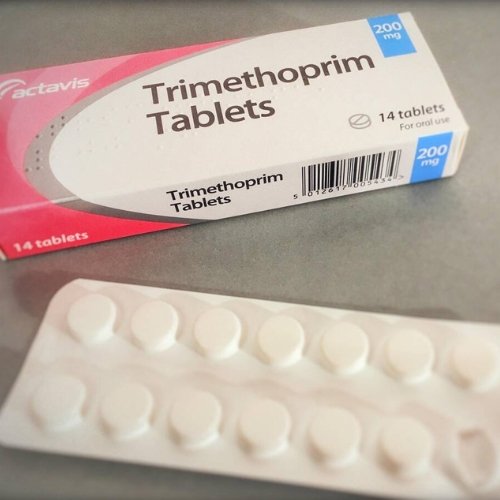


Trimethoprim 200 mg: Uses, Dosage, Side Effects, Safety, and Frequently Asked Questions
What Is Trimethoprim 200 mg?
Trimethoprim 200 mg is a prescription antibiotic used to treat certain bacterial infections. It belongs to a class of medicines called folate pathway inhibitors, which work by preventing bacteria from producing substances needed for growth and reproduction.
Trimethoprim is commonly used for infections such as:
- Urinary tract infections (UTIs).
- Some respiratory tract infections.
- Certain bacterial infections when the bacteria are known to be susceptible.
It may be available as:
- 200 mg tablets
- Oral suspension (in some countries)
- Combination products containing trimethoprim and sulfamethoxazole (co-trimoxazole)
How Trimethoprim Works
Trimethoprim blocks a bacterial enzyme called dihydrofolate reductase.
This action:
- Prevents bacteria from making folic acid needed for DNA production.
- Stops bacterial growth and multiplication.
- Allows the immune system to clear the infection.
Trimethoprim does not work against viruses, such as colds or influenza.
Trimethoprim 200 mg Uses
Urinary Tract Infections (UTIs)
Trimethoprim is commonly prescribed for some uncomplicated UTIs caused by susceptible bacteria.
Symptoms of a UTI may include:
- Burning or discomfort during urination.
- Frequent urge to urinate.
- Lower abdominal discomfort.
- Cloudy or strong-smelling urine.
Other Bacterial Infections
Depending on local resistance patterns and bacterial sensitivity, trimethoprim may sometimes be used for other infections.
A healthcare provider may recommend it based on:
- The type of bacteria causing the infection.
- Laboratory test results.
- Patient-specific factors.
Benefits of Trimethoprim 200 mg
When prescribed appropriately, Trimethoprim may help:
- Clear susceptible bacterial infections.
- Reduce infection-related symptoms.
- Prevent complications from untreated bacterial infections.
- Provide an alternative antibiotic option for certain patients.
Trimethoprim 200 mg Dosage
The correct dose depends on:
- The type and severity of infection.
- Age.
- Kidney function.
- Local antibiotic resistance patterns.
- Medical history.
General guidance:
- Take exactly as prescribed.
- Complete the full course unless your healthcare provider advises otherwise.
- Do not share antibiotics with others.
- Do not save leftover antibiotics for future use.
How to Take Trimethoprim
For best results:
- Swallow tablets with water.
- It may be taken with or without food.
- Take doses at evenly spaced times.
- Drink adequate fluids unless your healthcare provider advises otherwise.
Missed Dose
If you miss a dose:
- Take it when you remember.
- If it is almost time for the next dose, skip the missed dose.
- Do not take two doses together.
Common Side Effects
Common side effects may include:
- Nausea.
- Vomiting.
- Loss of appetite.
- Diarrhea.
- Stomach discomfort.
- Skin rash.
- Headache.
Serious Side Effects
Seek medical attention if you experience:
- Severe allergic reaction.
- Severe skin rash or blistering.
- Unusual bruising or bleeding.
- Persistent sore throat or fever.
- Yellowing of the skin or eyes.
- Severe diarrhea, especially with blood or mucus.
- Signs of high potassium levels, such as unusual weakness or irregular heartbeat.
Safety Information
Before taking Trimethoprim, tell your healthcare provider if you have:
- Kidney disease.
- Liver disease.
- Anemia or blood disorders.
- Low folate levels.
- High potassium levels.
- A history of allergic reactions to trimethoprim or similar medicines.
- Pregnancy or plans to become pregnant.
- Breastfeeding.
Your healthcare provider may recommend blood tests if treatment is prolonged or if you have certain health conditions.
Drug Interactions
Trimethoprim may interact with:
- Warfarin and other blood thinners.
- Methotrexate.
- Some blood pressure medicines, especially ACE inhibitors and ARBs.
- Potassium supplements.
- Certain diuretics.
- Some diabetes medicines.
Always tell your healthcare provider about all prescription medicines, over-the-counter medicines, vitamins, and herbal supplements you take.
Alcohol and Trimethoprim
Alcohol does not have a major direct interaction with trimethoprim. However, alcohol may worsen some side effects, such as:
- Nausea.
- Dizziness.
- Stomach discomfort.
Moderate or avoid alcohol if you feel unwell while taking antibiotics.
Pregnancy and Breastfeeding
If you are pregnant, planning pregnancy, or breastfeeding:
- Tell your healthcare provider before taking trimethoprim.
- Trimethoprim may affect folate metabolism, which is important during pregnancy.
- Your healthcare provider will decide whether it is appropriate based on your individual situation.
Storage
Store Trimethoprim tablets:
- At room temperature.
- Away from moisture and heat.
- In the original packaging.
- Out of reach of children.
Frequently Asked Questions (FAQs)
What is Trimethoprim 200 mg used for?
Trimethoprim 200 mg is mainly used to treat certain bacterial infections, especially urinary tract infections caused by susceptible bacteria.
Is Trimethoprim a penicillin?
No. Trimethoprim is a different type of antibiotic and is not related to penicillin.
Can Trimethoprim treat viral infections?
No. Trimethoprim only works against certain bacteria and does not treat viruses such as colds or flu.
How long does Trimethoprim take to work?
Many people begin to feel improvement within a few days, but the full course should be completed as prescribed.
Can I stop Trimethoprim when I feel better?
Do not stop early unless advised by your healthcare provider. Stopping too soon may allow the infection to return.
Can Trimethoprim cause diarrhea?
Yes. Mild diarrhea can occur. Severe or persistent diarrhea should be reported to a healthcare professional.
Can Trimethoprim be taken with other antibiotics?
Only take it with other antibiotics if specifically prescribed. Combining antibiotics without medical guidance may increase side effects and reduce appropriate treatment.
What happens if I take too much Trimethoprim?
Taking too much may cause nausea, vomiting, confusion, blood-related problems, or other side effects. Seek medical advice if an overdose is suspected.
Does Trimethoprim affect contraception?
Trimethoprim does not usually reduce the effectiveness of hormonal contraception. However, if vomiting or severe diarrhea occurs, contraceptive effectiveness may be affected.
Final Thoughts
Trimethoprim 200 mg is a prescription antibiotic used to treat certain bacterial infections, particularly urinary tract infections caused by susceptible bacteria. It works by blocking bacterial growth and should only be used when prescribed.
Take Trimethoprim exactly as directed, complete the prescribed course, and contact your healthcare provider if symptoms worsen or serious side effects occur.
Medical Disclaimer: This article is for educational and informational purposes only and should not replace professional medical advice, diagnosis, or treatment. Always consult a qualified healthcare professional before starting, stopping, or changing any medication.
| Quantity | 30 Pills, 60 Pills, 120 Pills, 180 Pills, 200 Pills, 250 Pills, 300 Pills, 400 Pills, 500 Pills |
|---|
Be the first to review “Trimethoprim 200 mg”
Related products

Drugs
Drugs

Drugs

Drugs
Drugs

Drugs

Drugs
Drugs
Reviews
There are no reviews yet.