
Ultram 100 mg (Tramadol): Uses, Dosage, Side Effects, Safety, and Frequently Asked Questions
What Is Ultram 100 mg?
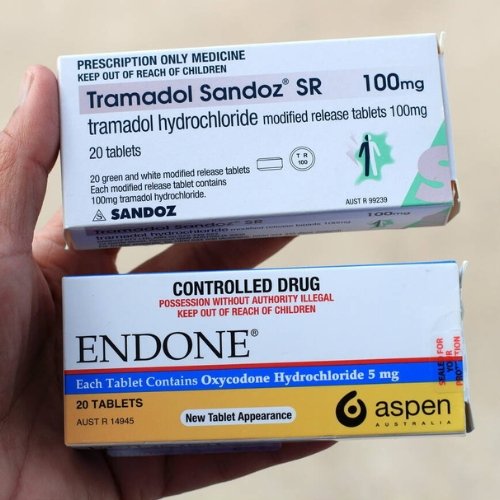
Ultram 100 mg is a brand name for tramadol hydrochloride, a prescription opioid pain-relief medication used to manage certain types of moderate to moderately severe pain in adults when other pain treatments are not effective or appropriate.
Ultram may be available as:
- Immediate-release tablets
- Extended-release (ER) tablets, including 100 mg formulations designed for longer-lasting pain control
Because tramadol is an opioid medicine, it carries risks including dependence, misuse, addiction, overdose, and serious breathing problems, even when taken as prescribed.
How Ultram Works
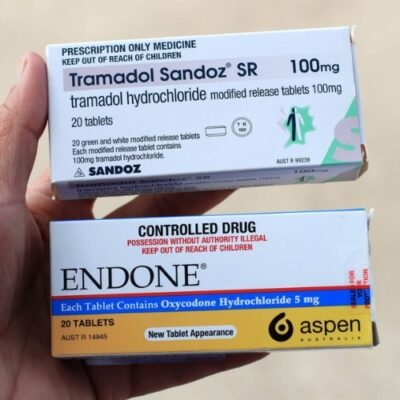
Tramadol works in two main ways:
- It binds to opioid receptors in the brain and spinal cord to reduce the sensation of pain.
- It affects serotonin and norepinephrine pathways, which are involved in how the body processes pain signals.
This combined action helps decrease pain perception.
Ultram 100 mg Uses
Ultram may be prescribed for:
Moderate to Moderately Severe Pain
Examples include:
- Pain after certain medical procedures.
- Injury-related pain.
- Some chronic pain conditions when other treatments are not suitable.
Treatment decisions depend on the individual’s health condition, pain severity, and risk factors.
Benefits of Ultram 100 mg
When used under medical supervision, Ultram may help:
- Reduce moderate pain.
- Improve comfort and daily functioning.
- Provide pain relief when alternative treatments are inadequate.
Ultram 100 mg Dosage
The correct dose depends on:
- The type and severity of pain.
- Age.
- Kidney and liver function.
- Other medications.
- Previous opioid exposure.
General guidance:
- Take only as prescribed.
- Do not increase the dose without medical advice.
- Extended-release tablets should generally be swallowed whole and not crushed, chewed, or altered.
How to Take Ultram
For safe use:
- Take the medicine exactly as prescribed.
- Swallow tablets with water.
- Follow the dosing schedule provided by your healthcare professional.
- Avoid alcohol while taking tramadol.
- Do not combine with other medicines containing tramadol unless instructed.
Missed Dose
If you miss a scheduled dose:
- Take it when you remember.
- If it is close to the next dose, skip it.
- Do not take extra doses to make up for a missed dose.
Common Side Effects
Common side effects may include:
- Drowsiness.
- Dizziness.
- Nausea.
- Vomiting.
- Constipation.
- Dry mouth.
- Headache.
- Tiredness.
Serious Side Effects
Seek urgent medical help if you experience:
- Slow or difficult breathing.
- Extreme sleepiness or difficulty staying awake.
- Seizures.
- Severe allergic reaction.
- Confusion or unusual changes in behavior.
- Symptoms of serotonin syndrome, such as agitation, fever, sweating, muscle stiffness, or rapid heartbeat.
Safety Information
Before taking Ultram, tell your healthcare provider if you have:
- Breathing problems.
- Asthma or lung disease.
- Seizure disorders.
- Liver disease.
- Kidney disease.
- A history of substance dependence.
- Depression or other mental health conditions.
- Pregnancy or breastfeeding.
Tramadol can be habit-forming and should be used only under appropriate medical supervision.
Drug Interactions
Ultram may interact with:
- Other opioid medicines.
- Benzodiazepines and sedatives.
- Alcohol.
- Certain antidepressants.
- Medicines affecting serotonin levels.
- Some seizure medications.
Combining tramadol with certain medicines may increase the risk of dangerous sedation, breathing problems, or serotonin syndrome.
Alcohol and Ultram
Avoid alcohol while taking Ultram.
Alcohol can increase the risk of:
- Severe drowsiness.
- Breathing problems.
- Poor coordination.
- Overdose.
Pregnancy and Breastfeeding
If you are pregnant, planning pregnancy, or breastfeeding:
- Tell your healthcare provider before using Ultram.
- Long-term opioid use during pregnancy may affect the baby.
- Tramadol use during breastfeeding requires medical advice because it can affect infants.
Storage
Store Ultram:
- At room temperature.
- Away from moisture and heat.
- In a secure place away from children.
- Dispose of unused medication according to local guidance.
Frequently Asked Questions (FAQs)
What is Ultram 100 mg used for?
Ultram 100 mg is used to treat moderate to moderately severe pain in adults when other pain treatments are not sufficient or appropriate.
Is Ultram an opioid?
Yes. Ultram contains tramadol, which is an opioid pain medicine.
Is Ultram 100 mg stronger than Ultram 50 mg?
A 100 mg dose contains more tramadol than a 50 mg dose, but the appropriate strength depends on the patient’s condition and medical advice.
Can Ultram cause addiction?
Yes. Tramadol can cause dependence, misuse, and addiction. It should only be taken as prescribed.
Can Ultram make you sleepy?
Yes. Drowsiness and dizziness are common side effects.
Can I drive after taking Ultram?
Avoid driving or operating machinery until you know how tramadol affects you.
What happens if I take too much Ultram?
An overdose can cause severe drowsiness, breathing problems, seizures, unconsciousness, or death. Emergency medical help should be sought immediately if an overdose is suspected.
Can I stop Ultram suddenly?
If taken regularly for an extended period, stopping suddenly may cause withdrawal symptoms. A healthcare provider can advise the safest way to reduce or stop treatment.
Final Thoughts
Ultram 100 mg (tramadol) is a prescription opioid medication used for certain moderate to severe pain conditions. While it can provide effective pain relief, it must be used carefully because of risks including dependence, misuse, overdose, and serious side effects.
Always take Ultram exactly as prescribed, avoid alcohol and unsafe combinations with other sedating medicines, and contact a healthcare professional if you experience concerning symptoms.
Medical Disclaimer: This article is for educational and informational purposes only and should not replace professional medical advice, diagnosis, or treatment. Always consult a qualified healthcare professional before starting, stopping, or changing any medication.
| Quantity | 30 Pills, 60 Pills, 120 Pills, 180 Pills, 200 Pills, 250 Pills, 300 Pills, 400 Pills, 500 Pills |
|---|
Be the first to review “Ultram 100mg”
Related products

Drugs
Drugs
Drugs

Drugs
Drugs

Drugs
Drugs
Reviews
There are no reviews yet.