
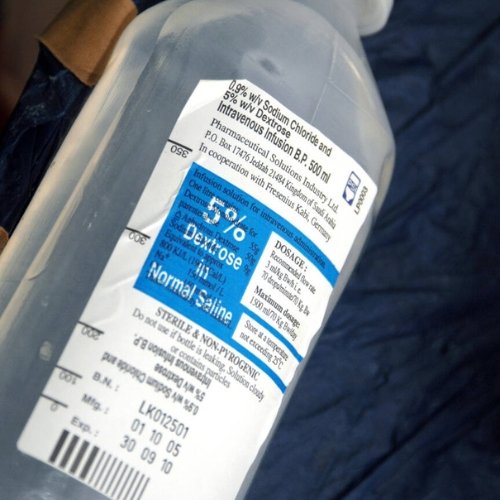


Normal Saline: Uses, Dosage, Safety, Side Effects, and Frequently Asked Questions
What Is Normal Saline?
Normal saline is a sterile solution containing 0.9% sodium chloride (salt) in water. It is also known as 0.9% saline or isotonic saline because its salt concentration is similar to that of body fluids.
Normal saline is widely used in healthcare settings for:
- Intravenous (IV) fluid replacement.
- Medication dilution and administration.
- Wound cleaning.
- Nasal irrigation.
- Eye and contact lens care (when specifically prepared for that purpose).
How Normal Saline Works
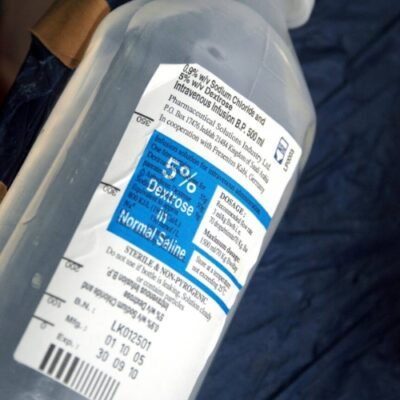
Normal saline works by supplying water and sodium chloride to the body.
When given intravenously, it may help:
- Restore fluid volume.
- Maintain blood circulation.
- Replace fluid lost through dehydration, illness, or medical procedures.
- Support electrolyte balance.
Because it has a similar concentration to blood plasma, it does not usually cause rapid movement of water into or out of body cells.
Normal Saline Uses
Intravenous Fluid Replacement
Normal saline IV solution may be used for:
- Dehydration.
- Fluid loss from vomiting or diarrhea.
- Blood volume support during certain medical situations.
- Maintaining hydration when a person cannot drink enough fluids.
Medication Administration
Healthcare providers may use normal saline to:
- Dilute certain injectable medications.
- Flush intravenous lines.
- Deliver medications through IV access.
Wound Cleaning
Sterile normal saline may be used to:
- Clean wounds.
- Remove debris.
- Irrigate certain injuries.
Nasal and Respiratory Uses
Certain sterile saline products may be used for:
- Moistening nasal passages.
- Relieving nasal dryness.
- Helping clear mucus.
Benefits of Normal Saline
Normal saline may help:
- Restore fluid levels.
- Support circulation.
- Correct certain fluid losses.
- Provide a safe medium for medication delivery.
- Clean and irrigate body areas when sterile preparations are used.
Normal Saline Dosage and Administration
The amount of normal saline given depends on:
- The person’s age.
- Medical condition.
- Degree of dehydration or fluid loss.
- Kidney and heart function.
- The purpose of treatment.
Healthcare professionals determine the correct amount and rate of administration.
Normal saline may be available in different container sizes, including:
- Small flush syringes.
- 100 mL bags.
- 250 mL bags.
- 500 mL bags.
- 1,000 mL (1 liter) bags.
How Normal Saline Is Used
Normal saline may be:
- Given through an IV by trained healthcare professionals.
- Used externally for wound cleaning if sterile.
- Used in the nose or eyes only with products specifically labeled for that purpose.
Only sterile preparations should be used for medical applications.
Common Side Effects
When given appropriately, normal saline is generally well tolerated.
Possible side effects may include:
- Swelling from excess fluid.
- Discomfort or irritation at an IV site.
- Fluid retention.
- Changes in electrolyte levels.
Serious Side Effects
Seek medical attention if symptoms occur after receiving IV fluids, such as:
- Difficulty breathing.
- Severe swelling.
- Chest discomfort.
- Sudden confusion.
- Severe headache.
- Signs of fluid overload.
Safety Information
Normal saline should be used carefully in people with:
- Heart failure.
- Kidney disease.
- Liver disease.
- High sodium levels.
- Conditions requiring fluid restriction.
Healthcare providers monitor fluid balance and electrolytes when larger amounts are administered.
Drug Interactions
Normal saline generally has few direct drug interactions.
However, it may affect the safety or effectiveness of certain medications depending on:
- The medication being diluted.
- The amount of fluid given.
- The patient’s medical condition.
Always inform healthcare providers about all medicines being taken.
Pregnancy and Breastfeeding
Normal saline is commonly used during pregnancy and breastfeeding when medically appropriate.
Healthcare providers consider:
- The reason for treatment.
- The amount of fluid needed.
- The individual’s health condition.
Storage
Storage depends on the type of normal saline product.
General guidance:
- Keep in the original packaging.
- Protect from contamination.
- Store according to manufacturer instructions.
- Do not use if the solution is cloudy, leaking, or damaged.
Frequently Asked Questions (FAQs)
What is normal saline used for?
Normal saline is used for fluid replacement, IV medication administration, flushing IV lines, wound cleaning, and certain nasal or medical applications.
Is normal saline the same as salt water?
Normal saline is a sterile medical solution containing 0.9% sodium chloride. Regular salt water made at home is not sterile and should not replace medical saline.
Why is it called “normal” saline?
It is called normal saline because its salt concentration is similar to the concentration of fluids in the body.
Can normal saline be given by IV?
Yes. Normal saline is one of the most commonly used IV fluids in hospitals and clinics.
Can normal saline treat dehydration?
Yes. IV normal saline may be used to replace fluids in people with certain types of dehydration.
Can normal saline increase blood pressure?
In some situations, restoring fluid volume with normal saline may help improve low blood pressure caused by fluid loss.
Is normal saline safe for everyone?
No. People with certain heart, kidney, or fluid-balance conditions may require careful monitoring.
Can normal saline be used in the eyes?
Only use saline products specifically labeled as sterile eye-safe solutions. Not all saline products are suitable for eye use.
Can normal saline expire?
Yes. Check the expiration date and do not use damaged or contaminated containers.
What happens if too much normal saline is given?
Excessive amounts may cause fluid overload or electrolyte problems, especially in people with heart or kidney conditions.
Final Thoughts
Normal saline (0.9% sodium chloride solution) is one of the most commonly used medical fluids. It helps replace fluids, support circulation, deliver medications, and clean certain areas of the body when used in sterile preparations.
Although generally safe, the amount and method of use should be determined by a healthcare professional, especially for IV administration.
Medical Disclaimer: This article is for educational and informational purposes only and should not replace professional medical advice, diagnosis, or treatment. Always consult a qualified healthcare professional before using any medical treatment.
Be the first to review “Normal Saline”
Related products

Drugs

Drugs
Drugs
Drugs

Drugs
Drugs

Drugs
Drugs
Reviews
There are no reviews yet.