
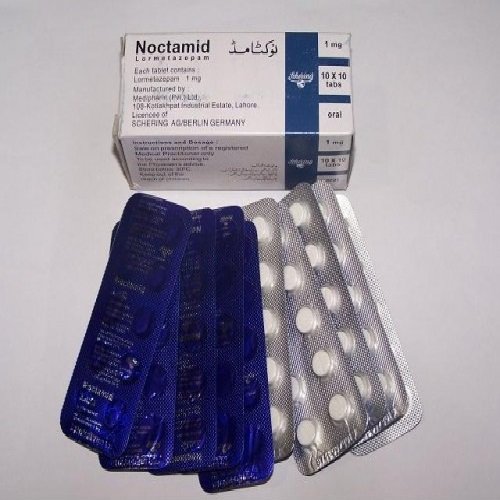
Noctamid 1mg
Price range: €120.00 through €820.00
Dosage
The recommended dose of Noctamid 1mg is 1 mg orally once daily at bedtime. It can taken with or without food. It is important to follow the doctor’s instructions regarding the correct dosage and duration of treatment.
Side-effects
Common side effects of Noctamid 1mg include dizziness, drowsiness, headache, nausea, and dry mouth. These side effects are usually mild and temporary, and they may disappear as the body adjusts to the medication. However, if they persist or become bothersome, if recommended to consult with a healthcare professional.
Noctamid 1 mg: Uses, Dosage, Side Effects, Safety, and Frequently Asked Questions
Learn about Noctamid 1 mg (lormetazepam), including its approved medical uses, dosage considerations, side effects, safety precautions, drug interactions, and frequently asked questions.
Noctamid 1 mg: Everything You Need to Know
Noctamid 1 mg is a prescription medication containing Lormetazepam, a short- to intermediate-acting benzodiazepine commonly prescribed for the short-term treatment of severe insomnia when non-drug approaches alone have not been effective.
Lormetazepam enhances the activity of gamma-aminobutyric acid (GABA), a neurotransmitter that helps reduce activity in the central nervous system. This produces sedative and sleep-promoting effects that can help people fall asleep more easily and reduce nighttime awakenings. Because Noctamid carries risks such as dependence, excessive sedation, and withdrawal symptoms, it should be used only under the supervision of a qualified healthcare professional.
This guide explains what Noctamid 1 mg is, how it works, its approved medical uses, potential side effects, important safety information, and answers to frequently asked questions.
What Is Noctamid 1 mg?
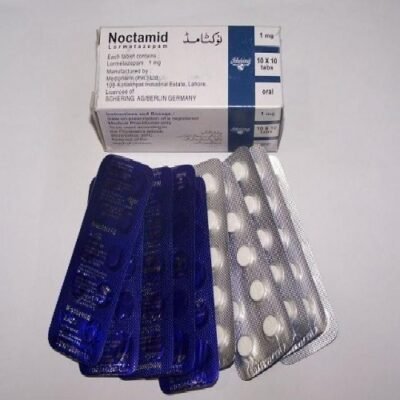
Noctamid contains lormetazepam, a benzodiazepine medication with hypnotic, sedative, anxiolytic, and muscle-relaxant properties.
The 1 mg tablet is commonly prescribed for adults requiring short-term treatment of severe insomnia. Healthcare providers recommend using the lowest effective dose for the shortest possible duration to minimize the risk of dependence and other adverse effects.
Approved Medical Uses
Depending on regional prescribing guidelines, healthcare professionals may prescribe Noctamid for:
- Short-term treatment of severe insomnia
- Sleep disturbances that significantly affect daily functioning
- Other approved indications based on local regulatory guidance
Treatment should be individualized according to each patient’s symptoms and medical history.
How Does Noctamid Work?
Lormetazepam increases the activity of GABA, the primary inhibitory neurotransmitter in the brain.
This action may help:
- Promote sleep onset
- Reduce nighttime awakenings
- Improve sleep quality in the short term
- Produce a calming effect
- Reduce excessive brain activity associated with insomnia
Because it acts on the central nervous system, it may also cause next-day drowsiness in some individuals.
How Should Noctamid 1 mg Be Taken?
Noctamid should always be taken exactly as prescribed by your healthcare provider.
General recommendations include:
- Take the medication shortly before going to bed.
- Ensure you have enough time for a full night’s sleep before taking it.
- Do not increase the dose or frequency without medical advice.
- Avoid stopping prolonged treatment abruptly, as withdrawal symptoms may occur.
- Avoid alcohol while taking Noctamid.
Treatment is generally limited to a short duration because prolonged use increases the risk of dependence.
Common Side Effects
Like other benzodiazepines, Noctamid may cause side effects.
Common side effects include:
- Drowsiness
- Daytime sleepiness
- Dizziness
- Fatigue
- Reduced coordination
- Muscle weakness
- Headache
- Memory impairment
These effects may be more pronounced at the beginning of treatment or after a dose increase.
Serious Safety Warnings
Noctamid carries important safety warnings.
Potential serious risks include:
- Misuse and addiction
- Physical dependence
- Withdrawal symptoms if discontinued abruptly
- Respiratory depression, especially when combined with opioids, alcohol, or other central nervous system depressants
- Severe allergic reactions
- Increased risk of falls and injuries, particularly in older adults
Seek emergency medical attention if someone develops severe breathing difficulty, becomes difficult to awaken, or experiences signs of a severe allergic reaction.
Important Precautions
Before taking Noctamid, tell your healthcare provider if you have:
- Chronic lung disease
- Sleep apnea
- Liver disease
- Kidney disease
- Depression or other mental health conditions
- A history of substance use disorder
- Pregnancy or breastfeeding considerations
Older adults may be more sensitive to the sedative effects and may require lower doses or alternative treatment options.
Drug Interactions
Noctamid may interact with numerous medications and substances.
Tell your healthcare provider about all:
- Prescription medications
- Over-the-counter medicines
- Vitamins
- Herbal supplements
Particular caution is required with:
- Opioid pain medications
- Other benzodiazepines
- Sleeping medications
- Muscle relaxants
- Alcohol
- Other medicines that depress the central nervous system
These combinations may increase the risk of excessive sedation, breathing problems, impaired coordination, and overdose.
Monitoring During Treatment
Healthcare providers may monitor:
- Improvement in sleep quality
- Daytime drowsiness
- Signs of dependence
- Medication effectiveness
- Overall treatment response
Regular follow-up appointments help determine whether ongoing treatment remains appropriate.
Safe Storage
Store Noctamid according to the prescription label.
General recommendations include:
- Keep tablets in the original container.
- Store at room temperature.
- Protect from excessive heat and moisture.
- Keep out of the reach of children and pets.
- Never share your prescription medication.
Dispose of expired or unused medication through a pharmacy take-back program or according to local disposal recommendations.
Frequently Asked Questions
What is Noctamid 1 mg used for?
Noctamid 1 mg is primarily prescribed for the short-term treatment of severe insomnia when clinically appropriate.
Is Noctamid a benzodiazepine?
Yes. Noctamid contains lormetazepam, which belongs to the benzodiazepine class of medications.
Can Noctamid cause dependence?
Yes. Repeated or prolonged use can lead to physical dependence. It should only be used as prescribed and should not be stopped suddenly without medical guidance.
What are the most common side effects?
Common side effects include drowsiness, daytime sleepiness, dizziness, fatigue, reduced coordination, muscle weakness, headache, and memory impairment.
Can I drink alcohol while taking Noctamid?
No. Alcohol should generally be avoided because it can significantly increase sedation and the risk of serious breathing problems and other adverse effects.
Conclusion
Noctamid 1 mg is a prescription benzodiazepine containing lormetazepam that is used for the short-term treatment of severe insomnia. By enhancing GABA activity in the brain, it helps promote sleep and reduce nighttime awakenings.
Because Noctamid carries significant risks—including dependence, misuse, respiratory depression, and withdrawal—it should be used only under the supervision of a qualified healthcare professional. Careful adherence to the prescribed treatment plan, regular medical follow-up, and avoidance of alcohol and other sedating substances can help support safe and effective treatment.
Noctamid 1 mg, Noctamid, lormetazepam, lormetazepam 1 mg, Noctamid uses, Noctamid dosage, Noctamid side effects, benzodiazepine medication, insomnia treatment, sleep medication, prescription hypnotic, medication safety, patient education, healthcare information, prescription medication guide, lormetazepam precautions, Noctamid FAQs, short-term insomnia treatment, sleep disorder management, GABA medication.
| Quantity | 30 Pills, 60 Pills, 120 Pills, 180 Pills, 200 Pills, 250 Pills, 300 Pills, 400 Pills, 500 Pills |
|---|
Be the first to review “Noctamid 1mg”
Related products
ANXIETY
ANXIETY
ANXIETY
ANXIETY

ANXIETY
ANXIETY
ANXIETY
ANXIETY
Reviews
There are no reviews yet.