
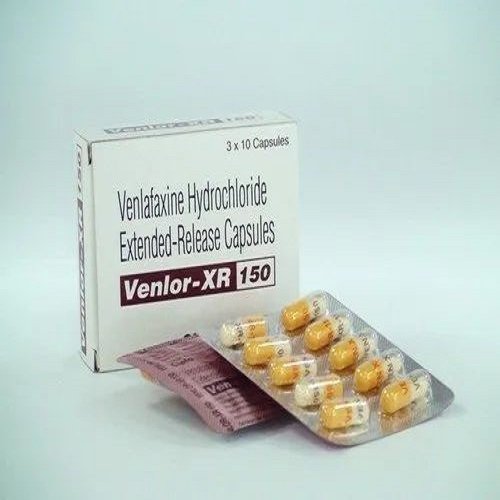
Venlor 150 mg

Price range: €120.00 through €820.00
Mechanism of Action
Venlor works by inhibiting the reabsorption of serotonin in the brain. Serotonin neurotransmitter that plays a role in regulating mood, sleep, appetite, and sexual function. By increasing the availability of serotonin, Venlor helps to restore the balance of neurotransmitters and improve overall brain function.
Dosage and Administration
Venlor 150mg typically prescribed to taken orally once a day, usually in the morning. The recommended starting dosage usually 75mg per day, and this may be increased to a maximum of 150mg per day based on the individual needs and response. It is important to follow the prescribed dosage instructions exactly and consult with a healthcare professional before making any changes to your medication regimen.
Venlor 150 mg: Uses, Dosage, Side Effects, Safety, and Frequently Asked Questions
Learn about Venlor 150 mg (venlafaxine), including its medical uses, dosage guidelines, side effects, safety warnings, drug interactions, and frequently asked questions.
Venlor 150 mg: Everything You Need to Know
Venlor 150 mg is a prescription antidepressant that contains Venlafaxine (SNRI), used primarily to treat Major depressive disorder and several anxiety-related disorders.
Venlafaxine works by increasing the levels of serotonin and norepinephrine in the brain—two neurotransmitters involved in mood regulation, emotional stability, and stress response. Because it affects brain chemistry, it should always be used under medical supervision.
What Is Venlor 150 mg?
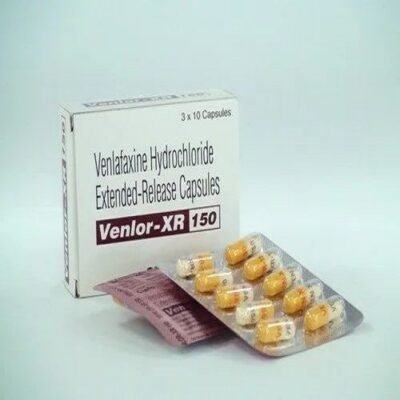
Venlor contains venlafaxine, an antidepressant belonging to the SNRI class.
The 150 mg dose is considered a moderate to higher therapeutic dose and is often used when lower doses are not sufficient to manage symptoms effectively.
Approved Medical Uses
Healthcare providers may prescribe Venlor for:
- Major depressive disorder (MDD)
- Generalized anxiety disorder (GAD)
- Social anxiety disorder (in some cases)
- Panic disorder
Treatment is individualized based on patient response and severity of symptoms.
How Does Venlor Work?
Venlafaxine works by inhibiting the reuptake of:
- Serotonin
- Norepinephrine
This helps:
- Improve mood
- Reduce anxiety
- Stabilize emotional responses
- Improve energy and motivation
- Reduce panic symptoms
Therapeutic effects may take several weeks to become fully noticeable.
How Should Venlor 150 mg Be Taken?
Venlor should always be taken exactly as prescribed.
General guidance includes:
- Take at the same time each day
- Swallow tablets whole (do not crush or chew, if extended-release)
- Take with food to reduce nausea
- Do not stop suddenly without medical advice
- Dose adjustments should be done gradually
Regular follow-up is important to monitor progress.
Common Side Effects
Common side effects may include:
- Nausea
- Dizziness
- Drowsiness or insomnia
- Dry mouth
- Sweating
- Loss of appetite
- Increased blood pressure
- Headache
- Fatigue
Many side effects improve as the body adjusts.
Serious Safety Warnings
Venlor carries important antidepressant safety warnings.
Potential serious risks include:
- Increased suicidal thoughts in young people during early treatment
- Serotonin syndrome
- High blood pressure (dose-related risk)
- Severe allergic reactions
- Withdrawal symptoms if stopped abruptly
Seek immediate medical help if symptoms include agitation, confusion, high fever, rapid heart rate, or severe mood changes.
Important Precautions
Before taking Venlor, inform your healthcare provider if you have:
- High blood pressure
- Heart disease
- Liver or kidney disease
- Bipolar disorder
- History of seizures
- Glaucoma
- Pregnancy or breastfeeding considerations
Patients should be monitored for blood pressure changes during treatment.
Drug Interactions
Venlor may interact with several medications, including:
- MAO inhibitors
- Other antidepressants
- Migraine medications (triptans)
- Blood thinners
- NSAIDs
- Certain antipsychotic medications
- Alcohol
These combinations may increase the risk of serotonin syndrome or bleeding.
Monitoring During Treatment
Healthcare providers may monitor:
- Mood and anxiety symptoms
- Blood pressure
- Side effects
- Sleep patterns
- Treatment effectiveness
Dose adjustments may be required based on response.
Safe Storage
- Store at room temperature
- Keep in original packaging
- Protect from heat and moisture
- Keep out of reach of children
- Do not share medication
Unused medication should be disposed of safely through pharmacy programs.
Frequently Asked Questions
What is Venlor 150 mg used for?
Venlor 150 mg is used to treat depression and anxiety disorders such as generalized anxiety disorder and panic disorder.
Is Venlor an antidepressant?
Yes. It is an SNRI antidepressant containing venlafaxine.
How long does Venlor take to work?
It may take 2–6 weeks to notice full improvement.
Can I stop Venlor suddenly?
No. Stopping suddenly may cause withdrawal symptoms such as dizziness, irritability, and flu-like feelings.
Does Venlor increase blood pressure?
Yes, in some patients—especially at higher doses—so monitoring is important.
Conclusion
Venlor 150 mg is a serotonin-norepinephrine reuptake inhibitor (SNRI) antidepressant containing venlafaxine. It is widely used for depression and anxiety-related disorders and works by balancing key neurotransmitters in the brain.
Because it may affect blood pressure and cause withdrawal symptoms if stopped suddenly, it should only be used under medical supervision with regular monitoring.
Venlor 150 mg, Venlor, venlafaxine, venlafaxine 150 mg, SNRI antidepressant, depression treatment, anxiety medication, panic disorder treatment, serotonin norepinephrine reuptake inhibitor, medication side effects, antidepressant safety, patient education, healthcare information, prescription guide, mood disorder treatment
| Quantity | 30 Pills, 60 Pills, 120 Pills, 180 Pills, 200 Pills, 250 Pills, 300 Pills, 400 Pills, 500 Pills |
|---|
Be the first to review “Venlor 150 mg”
Related products
ANXIETY
ANXIETY
ANXIETY
ANXIETY
ANXIETY
ANXIETY

ANXIETY
ANXIETY
Reviews
There are no reviews yet.