
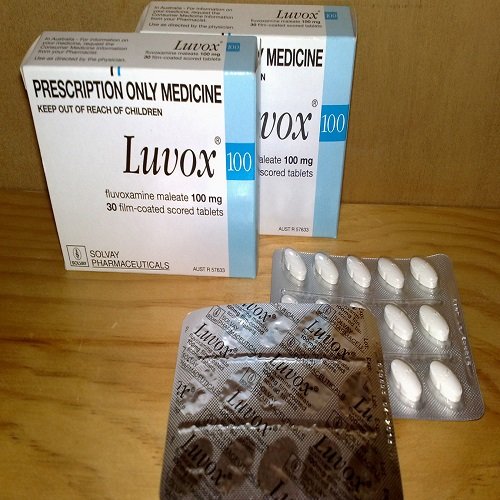
Luvox 100mg

Price range: €120.00 through €820.00
How It Works
Luvox works by increasing the amount of serotonin in the brain. Serotonin is a neurotransmitter that helps regulate mood, sleep, and appetite. By blocking the reabsorption of serotonin by certain nerve cells, Luvox helps maintain higher levels of serotonin in the brain, which can have positive effects on mood and emotional well-being.
Side Effects
Luvox generally well-tolerated, but some people may experience side effects. Common side effects include nausea, dry mouth, drowsiness, insomnia, dizziness, and sexual dysfunction. These side effects are usually temporary and tend to improve over time. However, if you experience any severe or persistent side effects, it is important to contact your healthcare provider.
Luvox 100 mg: Uses, Dosage, Side Effects, Safety, and Frequently Asked Questions
Learn about Luvox 100 mg (fluvoxamine), including its approved medical uses, dosage considerations, side effects, safety precautions, drug interactions, and frequently asked questions.
Luvox 100 mg: Everything You Need to Know
Luvox 100 mg is a prescription medication containing Fluvoxamine, a selective serotonin reuptake inhibitor (SSRI) antidepressant. It is primarily prescribed to treat Obsessive-compulsive disorder and may also be used for other mental health conditions when a healthcare provider determines it is appropriate.
Luvox works by increasing the availability of serotonin, a neurotransmitter involved in mood, emotional regulation, and anxiety. By improving serotonin signaling, it can help reduce obsessive thoughts, compulsive behaviors, and other symptoms associated with certain mental health conditions.
This guide explains what Luvox 100 mg is, how it works, its approved medical uses, possible side effects, important safety information, and answers to frequently asked questions.
What Is Luvox 100 mg?
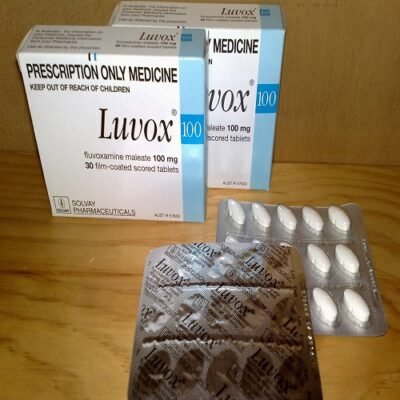
Luvox contains fluvoxamine maleate, an SSRI antidepressant that helps increase serotonin levels in the brain by reducing its reuptake into nerve cells.
The 100 mg tablet is one of several available strengths. The appropriate dosage depends on the condition being treated, symptom severity, age, treatment response, and individual patient needs.
Approved Medical Uses
Healthcare professionals may prescribe Luvox for:
- Obsessive-compulsive disorder (OCD)
- Other mental health conditions when clinically appropriate (off-label use may vary)
Treatment is individualized, and your healthcare provider will determine the most appropriate dose and duration.
How Does Luvox Work?
Fluvoxamine increases serotonin activity in the brain.
This action may help:
- Reduce obsessive thoughts
- Decrease compulsive behaviors
- Improve mood
- Reduce anxiety symptoms
- Support emotional stability
Like many antidepressants, Luvox may take several weeks before its full therapeutic effects become noticeable.
How Should Luvox 100 mg Be Taken?
Luvox should always be taken exactly as prescribed by your healthcare provider.
General recommendations include:
- Take the medication at the same time each day.
- It may be taken with or without food.
- Do not change your dose without consulting your healthcare provider.
- Do not stop taking Luvox suddenly, as discontinuation symptoms may occur.
Regular follow-up appointments help monitor treatment effectiveness and potential side effects.
Common Side Effects
Many people tolerate Luvox well.
Common side effects include:
- Nausea
- Drowsiness
- Insomnia
- Headache
- Dry mouth
- Dizziness
- Constipation
- Loss of appetite
- Increased sweating
These side effects often improve during the first few weeks of treatment.
Serious Safety Warnings
Luvox carries important safety warnings.
Potential serious risks include:
- Increased suicidal thoughts or behavior in some children, adolescents, and young adults, particularly during the early stages of treatment or after dose changes
- Serotonin syndrome
- Severe allergic reactions
- Low sodium levels (hyponatremia)
- Increased bleeding risk, particularly when combined with blood-thinning medications or NSAIDs
Seek immediate medical attention if you experience symptoms such as high fever, severe agitation, muscle rigidity, confusion, seizures, or signs of a severe allergic reaction.
Important Precautions
Before taking Luvox, tell your healthcare provider if you have:
- Liver disease
- Kidney disease
- Bipolar disorder
- A history of seizures
- Bleeding disorders
- Pregnancy or breastfeeding considerations
Your healthcare provider will evaluate whether Luvox is appropriate based on your overall health and current medications.
Drug Interactions
Luvox may interact with numerous medications because it affects certain liver enzymes involved in drug metabolism.
Inform your healthcare provider about all:
- Prescription medications
- Over-the-counter medicines
- Vitamins
- Herbal supplements
Important interactions may occur with:
- Monoamine oxidase inhibitors (MAOIs)
- Other antidepressants
- Certain antipsychotic medications
- Blood-thinning medications
- Some migraine medications
- Certain sleep medications
- Herbal supplements such as St. John’s wort
These interactions may increase the risk of serious side effects or alter medication effectiveness.
Monitoring During Treatment
Healthcare providers may monitor:
- Improvement in OCD symptoms
- Mood and behavior changes
- Medication tolerance
- Side effects
- Overall treatment response
Regular follow-up visits help ensure therapy remains safe and effective.
Safe Storage
Store Luvox according to the prescription label.
General recommendations include:
- Keep tablets in the original container.
- Store at room temperature.
- Protect from excessive heat and moisture.
- Keep out of the reach of children and pets.
Dispose of expired or unused medication through a pharmacy take-back program or according to local disposal recommendations.
Frequently Asked Questions
What is Luvox 100 mg used for?
Luvox 100 mg is primarily prescribed to treat obsessive-compulsive disorder (OCD). Healthcare providers may also prescribe it for other conditions when clinically appropriate.
Is Luvox an SSRI?
Yes. Luvox contains fluvoxamine, which belongs to the selective serotonin reuptake inhibitor (SSRI) class of antidepressants.
How long does Luvox take to work?
Some people begin to notice improvement within several weeks, but the full therapeutic effect may take longer depending on the condition being treated.
What are the most common side effects?
Common side effects include nausea, drowsiness, insomnia, headache, dry mouth, dizziness, constipation, loss of appetite, and increased sweating.
Can I stop taking Luvox suddenly?
No. Abruptly stopping Luvox may cause discontinuation symptoms. Always consult your healthcare provider before reducing or stopping the medication.
Conclusion
Luvox 100 mg is a prescription SSRI antidepressant containing fluvoxamine that is primarily used to treat obsessive-compulsive disorder and may be prescribed for other mental health conditions when appropriate. By increasing serotonin levels in the brain, it can help reduce obsessive thoughts, compulsive behaviors, and improve overall emotional well-being.
Because Luvox may interact with many medications and carries important safety considerations, it should be used only under the guidance of a qualified healthcare professional. Following the prescribed treatment plan, attending regular follow-up appointments, and discussing any concerns with your healthcare provider can help support safe and effective treatment.
Luvox 100 mg, Luvox, fluvoxamine, fluvoxamine 100 mg, Luvox uses, Luvox dosage, Luvox side effects, SSRI antidepressant, obsessive-compulsive disorder treatment, OCD medication, anxiety medication, depression medication, medication safety, patient education, healthcare information, prescription medication guide, fluvoxamine precautions, Luvox FAQs, serotonin reuptake inhibitor, mental health treatment.
| Quantity | 30 Pills, 60 Pills, 120 Pills, 180 Pills, 200 Pills, 250 Pills, 300 Pills, 400 Pills, 500 Pills |
|---|
Be the first to review “Luvox 100mg”
Related products

ANXIETY
ANXIETY
ANXIETY
ANXIETY
ANXIETY

ANXIETY

ANXIETY

ANXIETY
Reviews
There are no reviews yet.