
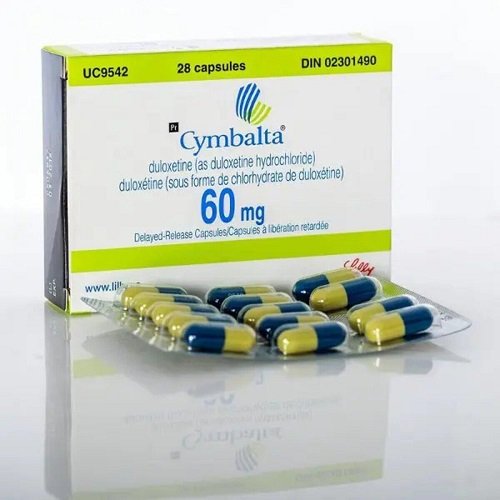
Buy Cymbalta 60mg
Price range: €120.00 through €820.00
How does Cymbalta 60mg work?
Cymbalta works by increasing the levels of certain neurotransmitters in the brain, including serotonin and norepinephrine. By increasing these levels, it helps to improve mood, reduce anxiety, and alleviate pain.
Side effects of Cymbalta 60mg
Cymbalta 60mg can cause a range of side effects, some more common than others. Some common side effects include:
– Nausea
– Vomiting
– Constipation
– Dry mouth
– Insomnia
– Agitation
– Dizziness
– Headache
– Sexual dysfunction
These side effects are usually mild and should resolve over time. However, if side effects persist or become severe, it is important to consult with your healthcare provider.
Cymbalta 60 mg: Uses, Dosage, Side Effects, Safety, and Frequently Asked Questions
Learn about Cymbalta 60 mg (duloxetine), including its approved uses, dosage, side effects, precautions, drug interactions, and frequently asked questions.
Cymbalta 60 mg: Everything You Need to Know
Cymbalta 60 mg contains duloxetine, a prescription medication classified as a serotonin and norepinephrine reuptake inhibitor (SNRI). It is used to treat several conditions affecting mental health and chronic pain, including Major depressive disorder, Generalized anxiety disorder, Diabetic peripheral neuropathy, Fibromyalgia, and certain forms of chronic musculoskeletal pain.
Cymbalta works by increasing the availability of serotonin and norepinephrine, two neurotransmitters involved in mood regulation and pain signaling. When taken as prescribed, it can help improve mood, reduce anxiety symptoms, and relieve certain types of chronic pain.
What Is Cymbalta 60 mg?
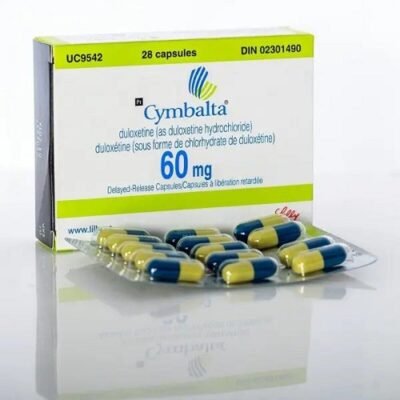
Cymbalta contains Duloxetine, an SNRI antidepressant. It is available in delayed-release capsules designed to release the medication after it passes through the stomach.
A 60 mg dose is commonly prescribed for many adults, although the appropriate dosage varies depending on the condition being treated and the individual’s response.
Approved Medical Uses
Healthcare professionals may prescribe Cymbalta for:
- Major depressive disorder
- Generalized anxiety disorder
- Diabetic peripheral neuropathic pain
- Fibromyalgia
- Chronic musculoskeletal pain, including some cases of chronic low back pain or osteoarthritis pain
Your healthcare provider will determine whether Cymbalta is appropriate based on your medical history and symptoms.
How Does Cymbalta Work?
Duloxetine increases serotonin and norepinephrine activity in the brain and spinal cord.
These effects may help:
- Improve mood
- Reduce anxiety
- Relieve certain types of nerve pain
- Improve daily functioning
- Reduce chronic pain symptoms in appropriate patients
Unlike fast-acting anti-anxiety medicines, Cymbalta may take several weeks before its full benefits become noticeable.
How Should Cymbalta Be Taken?
General recommendations include:
- Take the medication exactly as prescribed.
- Swallow delayed-release capsules whole.
- It may be taken with or without food.
- Take it at approximately the same time each day.
- Do not stop taking Cymbalta suddenly without consulting your healthcare provider, as withdrawal symptoms can occur.
Common Side Effects
Common side effects may include:
- Nausea
- Dry mouth
- Drowsiness
- Fatigue
- Dizziness
- Constipation
- Decreased appetite
- Increased sweating
Many side effects improve during the first few weeks of treatment.
Serious Safety Warnings
Although uncommon, serious adverse effects may occur, including:
- Increased suicidal thoughts or behavior in some children, adolescents, and young adults, particularly when starting treatment or changing the dose
- Liver injury
- Serotonin syndrome
- Significant increases in blood pressure
- Severe allergic reactions
- Withdrawal symptoms if discontinued abruptly
Seek immediate medical attention for severe allergic reactions, signs of serotonin syndrome, severe mood changes, or symptoms of liver problems such as yellowing of the skin or eyes.
Drug Interactions
Tell your healthcare provider about all medications and supplements you take.
Important interactions may occur with:
- Other antidepressants
- Monoamine oxidase inhibitors (MAOIs)
- Certain migraine medications
- Blood thinners
- Some pain medications
- Herbal products such as St. John’s wort
These combinations may increase the risk of side effects or serious complications.
Frequently Asked Questions
What is Cymbalta 60 mg used for?
Cymbalta 60 mg is commonly prescribed to treat depression, anxiety, diabetic nerve pain, fibromyalgia, and certain chronic pain conditions.
How long does Cymbalta take to work?
Some people notice improvement within 1–2 weeks, but the full effect often takes 4–8 weeks depending on the condition being treated.
Can Cymbalta cause withdrawal symptoms?
Yes. Stopping Cymbalta suddenly may cause withdrawal symptoms. Always consult your healthcare provider before changing or stopping treatment.
What are the most common side effects?
Common side effects include nausea, dry mouth, fatigue, dizziness, constipation, decreased appetite, and increased sweating.
Can Cymbalta be taken long term?
For some conditions, long-term treatment may be appropriate. Your healthcare provider will periodically review the benefits and risks of ongoing therapy.
Conclusion
Cymbalta 60 mg is a prescription SNRI medication used to treat depression, anxiety disorders, and several chronic pain conditions. By increasing serotonin and norepinephrine levels, it can help improve both emotional well-being and pain control in appropriately selected patients.
Because Cymbalta may cause side effects and interacts with certain medications, it should be used only under the guidance of a qualified healthcare professional. Regular follow-up appointments and adherence to the prescribed treatment plan help support safe and effective treatment.
Cymbalta 60 mg, Cymbalta, duloxetine, duloxetine 60 mg, Cymbalta uses, Cymbalta dosage, Cymbalta side effects, duloxetine uses, SNRI antidepressant, depression treatment, generalized anxiety disorder treatment, fibromyalgia medication, diabetic nerve pain treatment, chronic pain management, prescription medication guide, medication safety, patient education, healthcare information, duloxetine precautions, Cymbalta FAQs.
| Quantity | 30 Pills, 60 Pills, 120 Pills, 180 Pills, 200 Pills, 250 Pills, 300 Pills, 400 Pills, 500 Pills |
|---|
Be the first to review “Buy Cymbalta 60mg”
Related products
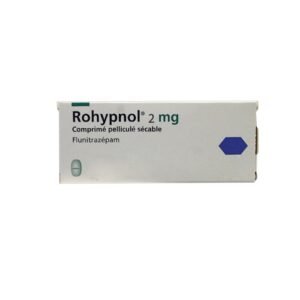
ANXIETY
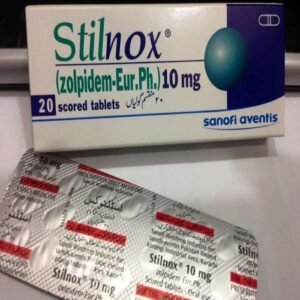
ANXIETY

ANXIETY
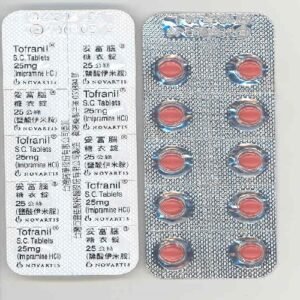
ANXIETY
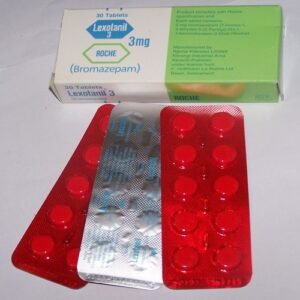
ANXIETY

ANXIETY

ANXIETY
ANXIETY
Reviews
There are no reviews yet.