
Lexotanil 3mg

Price range: €120.00 through €820.00
The active ingredient in Lexotanil is loxapine, which is classified as a dibenzoxazepine. It works by increasing the activity of certain neurotransmitters in the brain, such as gamma-aminobutyric acid (GABA). GABA is a naturally occurring chemical that helps regulate nerve activity in the brain, and by increasing its activity, Lexotanil helps to calm and relax the body.
Lexotanil typically prescribed at a dose of 3mg, which can taken orally once per day. The medication should taken with a full glass of water and may taken with or without food. If important to note that Lexotanil should not stopped abruptly, as withdrawal symptoms can occur.
Lexotanil 3 mg: Uses, Dosage, Side Effects, Safety, and Frequently Asked Questions
Learn about Lexotanil 3 mg (bromazepam), including its approved medical uses, dosage considerations, side effects, safety precautions, drug interactions, and frequently asked questions.
Lexotanil 3 mg: Everything You Need to Know
Lexotanil 3 mg is a prescription medication containing Bromazepam, a benzodiazepine used for the short-term treatment of anxiety when clinically appropriate. It has calming, anxiolytic (anti-anxiety), sedative, and muscle-relaxant properties.
Lexotanil works by enhancing the activity of gamma-aminobutyric acid (GABA), a neurotransmitter that reduces excessive activity in the brain and central nervous system. While it can be effective for short-term symptom relief, bromazepam also carries important risks, including dependence, misuse, withdrawal symptoms, and respiratory depression when combined with certain medications or alcohol.
This guide explains what Lexotanil 3 mg is, how it works, its approved medical uses, possible side effects, important safety information, and answers to frequently asked questions.
What Is Lexotanil 3 mg?
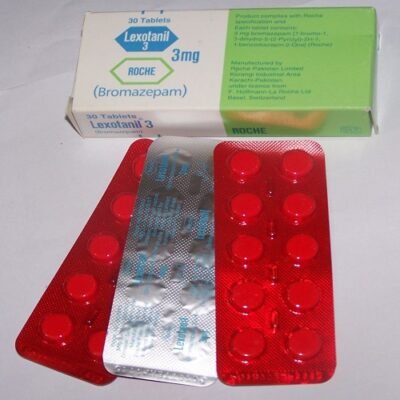
Lexotanil contains bromazepam, a benzodiazepine medication prescribed to help manage anxiety symptoms. The 3 mg tablet is one of several available strengths, and the appropriate dose depends on a patient’s age, medical history, symptom severity, and response to treatment.
Because bromazepam can cause drowsiness and physical dependence, treatment is generally intended to be short term and closely supervised by a healthcare provider.
Approved Medical Uses
Healthcare professionals may prescribe Lexotanil for:
- Short-term treatment of anxiety disorders
- Relief of severe anxiety symptoms when clinically indicated
- Anxiety associated with emotional stress in selected patients
Treatment plans are individualized, and healthcare providers determine the appropriate dose and duration based on the patient’s needs.
How Does Lexotanil Work?
Bromazepam enhances the effects of GABA, the brain’s primary inhibitory neurotransmitter.
This action may help:
- Reduce anxiety
- Promote relaxation
- Relieve muscle tension
- Produce a calming effect
Because it acts on the central nervous system, Lexotanil may also impair alertness, concentration, and coordination.
How Should Lexotanil 3 mg Be Taken?
Lexotanil should always be taken exactly as prescribed by your healthcare provider.
General recommendations include:
- Take the medication only as directed.
- Do not increase the dose or frequency without medical advice.
- Avoid stopping treatment suddenly after prolonged use, as withdrawal symptoms may occur.
- Attend follow-up appointments if treatment continues beyond the short term.
Your healthcare provider will determine the lowest effective dose for the shortest appropriate duration.
Common Side Effects
Like other benzodiazepines, Lexotanil may cause side effects.
Common side effects include:
- Drowsiness
- Dizziness
- Fatigue
- Weakness
- Reduced coordination
- Confusion
- Headache
These side effects are often most noticeable at the beginning of treatment or after a dose increase.
Serious Safety Warnings
Lexotanil carries important safety warnings.
Potential serious risks include:
- Misuse and addiction
- Physical dependence
- Withdrawal symptoms if discontinued abruptly
- Respiratory depression, especially when combined with opioids, alcohol, or other central nervous system depressants
- Severe allergic reactions
- Excessive sedation
Seek emergency medical attention if someone experiences severe breathing difficulty, cannot be awakened, or develops signs of a serious allergic reaction.
Important Precautions
Before taking Lexotanil, tell your healthcare provider if you have:
- Chronic lung disease
- Sleep apnea
- Liver disease
- Kidney disease
- Depression or other mental health conditions
- A history of substance use disorder
- Pregnancy or breastfeeding considerations
Older adults may be more sensitive to the sedative effects and have a higher risk of falls or confusion.
Drug Interactions
Lexotanil may interact with many medications and substances.
Inform your healthcare provider about all:
- Prescription medications
- Over-the-counter medicines
- Vitamins
- Herbal supplements
Particular caution is required with:
- Opioid pain medications
- Other benzodiazepines
- Sleeping medications
- Muscle relaxants
- Alcohol
- Other medicines that depress the central nervous system
These combinations may increase the risk of excessive sedation, respiratory depression, and overdose.
Monitoring During Treatment
Healthcare providers may monitor:
- Improvement in anxiety symptoms
- Side effects
- Signs of dependence
- Medication effectiveness
- Overall treatment response
Regular follow-up appointments help ensure that treatment remains appropriate and safe.
Safe Storage
Store Lexotanil according to the product labeling.
General recommendations include:
- Keep tablets in their original container.
- Store at room temperature.
- Protect from excessive heat and moisture.
- Keep out of the reach of children and pets.
- Never share your prescription medication with others.
Dispose of expired or unused medication according to your pharmacist’s recommendations.
Frequently Asked Questions
What is Lexotanil 3 mg used for?
Lexotanil 3 mg is primarily prescribed for the short-term treatment of anxiety when a healthcare provider determines that a benzodiazepine is appropriate.
Is Lexotanil a benzodiazepine?
Yes. Lexotanil contains bromazepam, which belongs to the benzodiazepine class of medications.
Can Lexotanil cause dependence?
Yes. Repeated or prolonged use can lead to physical dependence. It should only be used exactly as prescribed and should not be stopped abruptly without medical advice.
What are the most common side effects?
Common side effects include drowsiness, dizziness, fatigue, weakness, reduced coordination, confusion, and headache.
Can I drink alcohol while taking Lexotanil?
No. Alcohol should generally be avoided because it can significantly increase sedation and the risk of serious breathing problems and other adverse effects.
Conclusion
Lexotanil 3 mg is a prescription benzodiazepine containing bromazepam that is used for the short-term treatment of anxiety in appropriately selected patients. By enhancing the effects of GABA in the brain, it helps reduce anxiety and promote relaxation.
Because Lexotanil carries important risks—including dependence, misuse, withdrawal, and respiratory depression—it should be used only under the supervision of a qualified healthcare professional. Following the prescribed treatment plan, attending regular follow-up appointments, and avoiding alcohol and other sedatives unless specifically approved by your healthcare provider can help support safe and effective treatment.
Lexotanil 3 mg, Lexotanil, bromazepam, bromazepam 3 mg, Lexotanil uses, Lexotanil dosage, Lexotanil side effects, benzodiazepine medication, anxiety treatment, anti-anxiety medication, prescription sedative, medication safety, patient education, healthcare information, prescription medication guide, bromazepam precautions, Lexotanil FAQs, anxiety disorder treatment, short-term anxiety management, GABA medication.
| Quantity | 30 Pills, 60 Pills, 120 Pills, 180 Pills, 200 Pills, 250 Pills, 300 Pills, 400 Pills, 500 Pills |
|---|
Be the first to review “Lexotanil 3mg”
Related products
ANXIETY
ANXIETY

ANXIETY
ANXIETY
ANXIETY
ANXIETY
ANXIETY
ANXIETY
Reviews
There are no reviews yet.