
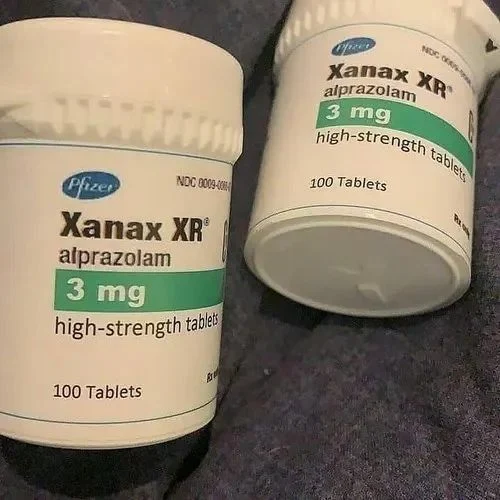
Xanax (alprazolam) 3mg

Price range: €120.00 through €820.00
Xanax 3mg works by boosting the activity of GABA, a neurotransmitter that inhibits the activity of nerve cells in the brain. This helps to calm and relax the body, reducing the symptoms of anxiety and panic disorders.
Some common side effects of Xanax 3mg include drowsiness, dizziness, fatigue, blurred vision, and difficulty concentrating. These side effects are usually temporary and should improve as your body adjusts to the medication. However, if they persist or become bothersome, it is important to tell your healthcare provider.
Xanax 3mg also associated with an increased risk of addiction and misuse. It is important to use this medication as directed by your healthcare provider and to avoid using it for longer than necessary. Signs of addiction may include increased tolerance, cravings, and difficulty stopping use of the medication.
Xanax (Alprazolam): Uses, Dosage, Side Effects, Safety, and Frequently Asked Questions
Xanax (Alprazolam): Uses, Side Effects, Dosage & Safety Guide
Learn about Xanax (alprazolam), including its medical uses, dosing principles, side effects, safety warnings, drug interactions, and frequently asked questions.
Xanax (Alprazolam): Everything You Need to Know
Xanax is a prescription medication that contains Alprazolam, a fast-acting benzodiazepine used for the treatment of anxiety and panic disorders.
It works by enhancing the effect of gamma-aminobutyric acid (GABA), a neurotransmitter that reduces excessive brain activity and produces calming, sedative, and anti-anxiety effects. Because of its rapid onset, alprazolam is typically used for short-term relief or carefully controlled treatment plans.
What Is Alprazolam Used For?
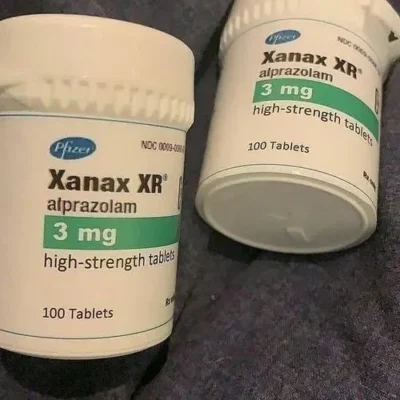
Healthcare providers prescribe alprazolam for:
- Generalized anxiety disorder (GAD)
- Panic disorder
- Short-term management of severe anxiety symptoms
- Anxiety associated with other conditions (in some cases)
Treatment is individualized and usually limited to short durations due to dependence risk.
How Does Xanax Work?
Alprazolam increases GABA activity in the brain, which helps:
- Reduce excessive nervous system activity
- Decrease anxiety and panic symptoms
- Promote relaxation
- Reduce physical symptoms of stress (such as tension and restlessness)
Its effects are typically felt quickly after administration.
Dosing Overview (General Information)
Alprazolam dosing varies widely depending on:
- Severity of symptoms
- Patient response
- Age and medical condition
- History of medication use
Healthcare providers generally follow the principle of:
“Lowest effective dose for the shortest duration possible.”
Long-term or high-dose use increases risks of tolerance, dependence, and withdrawal symptoms.
How Should Alprazolam Be Taken?
Alprazolam should always be used exactly as prescribed.
General safety guidelines include:
- Do not adjust dose without medical supervision
- Avoid alcohol completely
- Do not combine with other sedatives unless directed
- Do not stop suddenly after regular use
- Use caution when driving or operating machinery
Common Side Effects
Common side effects include:
- Drowsiness
- Dizziness
- Fatigue
- Impaired coordination
- Slowed thinking
- Memory problems
- Slurred speech
These effects may be stronger during early treatment or dose adjustments.
Serious Safety Risks
Alprazolam carries important risks associated with benzodiazepines:
- Dependence and addiction
- Withdrawal symptoms (which may be severe)
- Respiratory depression (especially with other depressants)
- Severe sedation or loss of consciousness
- Increased risk of falls and accidents
- Cognitive impairment with long-term use
Seek urgent medical attention if breathing becomes slow or consciousness is severely reduced.
Important Precautions
Before using alprazolam, inform your healthcare provider if you have:
- Breathing disorders (such as sleep apnea)
- Liver disease
- Kidney disease
- Depression or other mental health conditions
- History of substance use disorder
- Pregnancy or breastfeeding
Older adults are especially sensitive to sedative and cognitive effects.
Drug Interactions
Alprazolam may interact with:
- Alcohol
- Opioid medications
- Other benzodiazepines
- Sleep medications
- Muscle relaxants
- Antihistamines with sedative effects
- Certain antidepressants
These combinations may increase sedation and risk of respiratory depression.
Monitoring During Treatment
Healthcare providers may monitor:
- Anxiety or panic symptoms
- Sedation level
- Signs of dependence or tolerance
- Cognitive function
- Overall treatment effectiveness
Regular reassessment is important for safe use.
Safe Storage
- Store at room temperature
- Keep in original packaging
- Protect from heat and moisture
- Keep out of reach of children
- Do not share medication
Unused medication should be disposed of through official pharmacy programs.
Frequently Asked Questions
What is Xanax used for?
Xanax is used for anxiety disorders and panic disorder treatment.
How fast does Xanax work?
It usually begins working within 30–60 minutes.
Is alprazolam addictive?
Yes. It can cause dependence, especially with prolonged use.
Can I drink alcohol with Xanax?
No. Alcohol greatly increases sedation and risk of dangerous side effects.
Can Xanax be used long-term?
Long-term use is generally avoided unless closely supervised by a healthcare provider.
Conclusion
Xanax (alprazolam) is a fast-acting benzodiazepine used to treat anxiety and panic disorders. It works by enhancing GABA activity in the brain, producing calming and sedative effects.
Because of risks such as dependence, sedation, and withdrawal symptoms, it should only be used under strict medical supervision and for carefully controlled durations.
Xanax, alprazolam, benzodiazepine anxiety medication, panic disorder treatment, anti-anxiety medication, sedative effects, fast acting anxiolytic, medication safety, prescription guide, mental health medication, GABA receptor medication
| Quantity | 30 Pills, 60 Pills, 120 Pills, 180 Pills, 200 Pills, 250 Pills, 300 Pills, 400 Pills, 500 Pills |
|---|
Be the first to review “Xanax (alprazolam) 3mg”
Related products
ANXIETY
ANXIETY
ANXIETY
ANXIETY

ANXIETY
ANXIETY
ANXIETY
ANXIETY
Reviews
There are no reviews yet.