
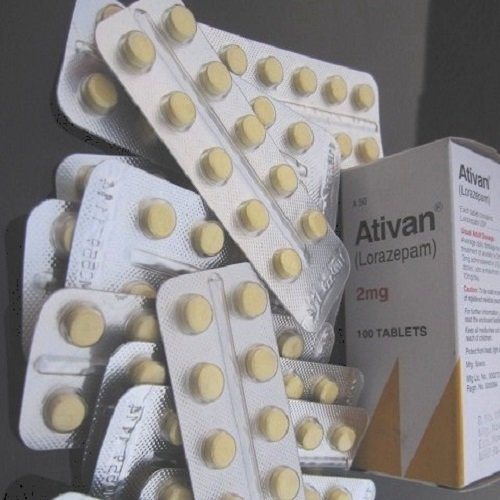
Ativan 2mg

Price range: €120.00 through €820.00
Uses
Ativan 2mg primarily prescribed for short-term management of anxiety disorders. It helps to calm and relax the patient, reducing feelings of anxiety, restlessness, and irritability. Ativan can also be in combination with other medications to treat insomnia or preoperative sedation.
Side Effects
While Ativan generally well-tolerated, certain side effects can occur. Common side effects include drowsiness, dry mouth, blurred vision, constipation, and difficulty urinating. More severe side effects may include difficulty breathing, muscle weakness, confusion, and allergic reactions. If you experience any concerning side effects, it is important to contact your healthcare provider.
Ativan 2 mg: Uses, Dosage, Side Effects, Safety, and Frequently Asked Questions
Learn about Ativan 2 mg (lorazepam), including its approved medical uses, dosage considerations, side effects, safety warnings, precautions, and frequently asked questions.
Ativan 2 mg: Everything You Need to Know
Ativan 2 mg is a prescription medication containing Lorazepam, a member of the benzodiazepine class of medicines. It is commonly prescribed for the short-term treatment of anxiety disorders, anxiety associated with depression, and certain other medical conditions. In some healthcare settings, lorazepam is also used before medical procedures to reduce anxiety and promote relaxation.
Ativan works by enhancing the activity of gamma-aminobutyric acid (GABA), a neurotransmitter that helps calm activity in the brain. While it can be highly effective when used appropriately, it also carries important risks, including dependence, misuse, withdrawal symptoms, excessive sedation, and respiratory depression when combined with certain other medications.
This guide explains what Ativan 2 mg is, how it works, its approved uses, potential side effects, safety precautions, and answers to frequently asked questions.
What Is Ativan 2 mg?
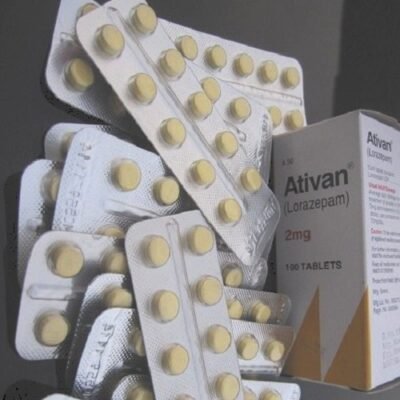
Ativan contains lorazepam, a prescription benzodiazepine that has calming, anti-anxiety, sedative, muscle-relaxing, and anticonvulsant properties.
Healthcare providers prescribe Ativan for a variety of conditions, but treatment is generally intended to be short term because prolonged use can increase the risk of physical dependence and withdrawal symptoms.
Approved Medical Uses
Healthcare professionals may prescribe Ativan for:
- Anxiety disorders
- Short-term relief of anxiety symptoms
- Anxiety associated with depression
- Sedation before certain medical or surgical procedures
- Management of Status epilepticus (injectable form in emergency settings)
- Other conditions when determined appropriate by a healthcare provider
The appropriate dose depends on the patient’s age, medical history, symptoms, and response to treatment.
How Does Ativan Work?
Lorazepam enhances the effects of GABA, the brain’s primary inhibitory neurotransmitter.
This action helps:
- Reduce anxiety
- Promote relaxation
- Produce sedation
- Decrease muscle tension
- Reduce seizure activity in specific clinical situations
Because it acts on the central nervous system, Ativan may also impair alertness and coordination.
How Should Ativan 2 mg Be Taken?
Ativan should always be taken exactly as prescribed by your healthcare provider.
General recommendations include:
- Take the medication exactly as directed.
- Do not take larger or more frequent doses than prescribed.
- Avoid stopping the medication suddenly without medical guidance, especially after prolonged use, as withdrawal symptoms may occur.
- Attend follow-up appointments if ongoing treatment is required.
The duration of treatment should be determined by your healthcare provider based on your individual needs.
Common Side Effects
Like other benzodiazepines, Ativan may cause side effects.
Common side effects include:
- Drowsiness
- Dizziness
- Fatigue
- Weakness
- Unsteadiness
- Confusion
- Blurred vision
Many of these effects are dose-related and may improve as the body adjusts to treatment.
Serious Safety Warnings
Ativan carries important boxed warnings.
Potential serious risks include:
- Misuse and addiction
- Physical dependence
- Withdrawal symptoms if discontinued abruptly
- Respiratory depression, especially when combined with opioids or other central nervous system depressants
- Severe allergic reactions
- Excessive sedation
Seek immediate medical attention if someone experiences difficulty breathing, severe allergic symptoms, or becomes difficult to awaken.
Important Precautions
Before taking Ativan, tell your healthcare provider if you have:
- Liver disease
- Kidney disease
- Breathing disorders, including sleep apnea
- Depression or other mental health conditions
- A history of substance use disorder
- Pregnancy or breastfeeding considerations
Older adults may be more susceptible to sedation, confusion, and falls.
Drug Interactions
Ativan may interact with many medications and substances.
Tell your healthcare provider about all:
- Prescription medications
- Over-the-counter medicines
- Vitamins
- Herbal supplements
Particular caution is required with:
- Opioid pain medications
- Other benzodiazepines
- Sleeping medications
- Muscle relaxants
- Alcohol
- Other central nervous system depressants
These combinations may increase the risk of excessive sedation, breathing problems, and overdose.
Safe Storage and Disposal
To help reduce the risk of accidental ingestion or misuse:
- Store Ativan in a secure location.
- Keep it out of the reach of children and pets.
- Never share your prescription medication.
- Dispose of unused tablets through an authorized medication take-back program whenever available.
Frequently Asked Questions
What is Ativan 2 mg used for?
Ativan 2 mg is commonly prescribed for the short-term treatment of anxiety disorders and may also be used before certain medical procedures or for other approved medical indications.
Is Ativan a benzodiazepine?
Yes. Ativan contains lorazepam, which belongs to the benzodiazepine class of medications.
Can Ativan cause dependence?
Yes. Prolonged use can lead to physical dependence, and stopping the medication abruptly may cause withdrawal symptoms. Treatment should always follow a healthcare provider’s instructions.
What are the most common side effects?
Common side effects include drowsiness, dizziness, fatigue, weakness, blurred vision, confusion, and unsteadiness.
Can Ativan be taken with alcohol?
Alcohol should generally be avoided while taking Ativan because the combination can significantly increase sedation and the risk of serious breathing problems.
Conclusion
Ativan 2 mg is a prescription benzodiazepine medication used for the short-term treatment of anxiety and certain other medical conditions. By enhancing the activity of GABA in the brain, it helps reduce anxiety and promote relaxation.
Because Ativan carries risks of dependence, withdrawal, sedation, and respiratory depression—particularly when combined with opioids or alcohol—it should be used only as prescribed by a qualified healthcare professional. Regular follow-up, careful monitoring, and adherence to the prescribed treatment plan help ensure safe and effective use.
Ativan 2 mg, Ativan, lorazepam, lorazepam 2 mg, Ativan uses, Ativan dosage, Ativan side effects, anxiety medication, benzodiazepine, prescription anxiety treatment, lorazepam safety, anxiety disorder treatment, sedative medication, medication safety, patient education, prescription medication guide, healthcare information, Ativan precautions, Ativan FAQs, lorazepam information.
| Quantity | 30 Pills, 60 Pills, 120 Pills, 180 Pills, 200 Pills, 250 Pills, 300 Pills, 400 Pills, 500 Pills |
|---|
Be the first to review “Ativan 2mg”
Related products

ANXIETY
ANXIETY
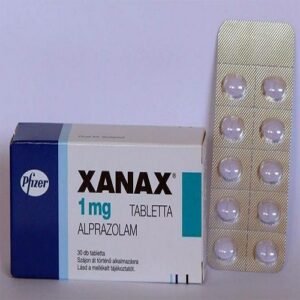
ANXIETY
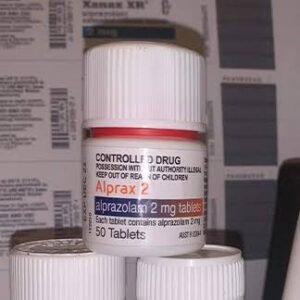
ANXIETY
ANXIETY
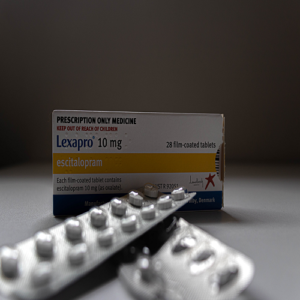
ANXIETY
ANXIETY
ANXIETY
Reviews
There are no reviews yet.