
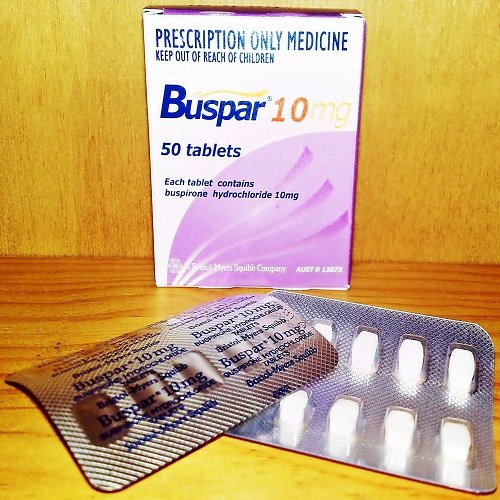
Buspar 10mg


Price range: €120.00 through €820.00
he recommended dosage of Buspar 10mg is once daily, usually in the morning. It is important to follow the doctor’s instructions and not increase or decrease the dosage without consulting them.
Buspar 10mg may taken with or without food. However, taking it with a meal may help to reduce stomach upset.
Buspar 10 mg: Uses, Dosage, Side Effects, Safety, and Frequently Asked Questions
Learn about Buspar 10 mg (buspirone), including its approved medical uses, dosage considerations, side effects, safety precautions, drug interactions, and frequently asked questions.
Buspar 10 mg: Everything You Need to Know
Buspar 10 mg is a prescription medication containing Buspirone, an anti-anxiety medicine used primarily to treat Generalized anxiety disorder and to help relieve persistent anxiety symptoms in adults.
Unlike benzodiazepines, buspirone does not usually cause significant sedation, muscle relaxation, or anticonvulsant effects. It also has a lower risk of dependence and withdrawal compared with benzodiazepines, making it an important treatment option for many people with chronic anxiety. However, it should still be used only as prescribed by a qualified healthcare professional.
This guide explains what Buspar 10 mg is, how it works, its approved uses, possible side effects, important safety information, and answers to frequently asked questions.
What Is Buspar 10 mg?
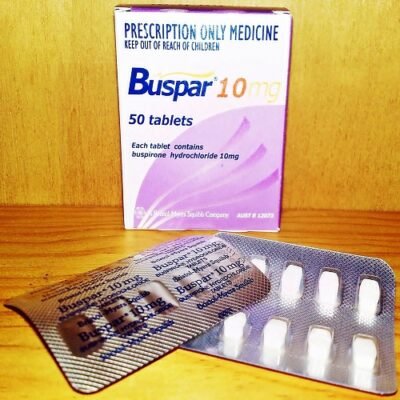
Buspar contains buspirone hydrochloride, a medication classified as an anxiolytic (anti-anxiety medicine). It works differently from benzodiazepines by affecting serotonin and dopamine receptors involved in mood and anxiety regulation.
Buspirone is generally intended for regular daily use, not for immediate relief of acute anxiety or panic attacks. Because it takes time to become effective, patients should continue taking it as directed even if they do not notice immediate improvement.
Approved Medical Uses
Healthcare professionals may prescribe Buspar 10 mg for:
- Generalized anxiety disorder (GAD)
- Long-term management of persistent anxiety symptoms
- Anxiety that interferes with daily activities
Healthcare providers determine the appropriate dose based on the individual’s symptoms, treatment response, age, and overall health.
How Does Buspar Work?
Buspirone affects neurotransmitters that influence mood and anxiety, particularly serotonin.
Its effects may help:
- Reduce excessive worry
- Improve feelings of calm
- Decrease nervousness and tension
- Improve concentration affected by anxiety
- Support long-term anxiety management
Unlike many sedative medications, buspirone generally does not produce immediate calming effects and may require several weeks of consistent use before the full benefit is seen.
How Should Buspar 10 mg Be Taken?
Buspar should always be taken exactly as prescribed.
General recommendations include:
- Take the medication at the same time each day.
- Be consistent about taking it either with food or without food.
- Do not stop taking the medication without discussing it with your healthcare provider.
- Continue treatment as directed, even if improvement is gradual.
Because buspirone works over time, missing doses may reduce its effectiveness.
Common Side Effects
Many people tolerate buspirone well.
Common side effects include:
- Dizziness
- Headache
- Nausea
- Nervousness
- Lightheadedness
- Fatigue
- Restlessness
These side effects are often mild and may improve as treatment continues.
Serious Safety Warnings
Serious side effects are uncommon but can occur.
Potential serious risks include:
- Severe allergic reactions
- Serotonin syndrome when combined with certain medications that increase serotonin
- Significant dizziness or fainting
- Unusual mood or behavior changes
Seek immediate medical attention if you experience severe allergic symptoms, high fever, severe muscle stiffness, confusion, or loss of consciousness.
Important Precautions
Before taking Buspar, tell your healthcare provider if you have:
- Liver disease
- Kidney disease
- Pregnancy or breastfeeding considerations
- A history of medication allergies
- Other mental health conditions
Buspirone should not be started while taking certain monoamine oxidase inhibitors (MAOIs) or within the recommended interval after stopping them because of the risk of serious interactions.
Drug Interactions
Buspar may interact with several medications.
Tell your healthcare provider about all:
- Prescription medications
- Over-the-counter medicines
- Vitamins
- Herbal supplements
Particular caution is needed with:
- MAO inhibitors
- Certain antidepressants
- Some antifungal medications
- Certain antibiotics
- Other medicines that affect serotonin levels
- Grapefruit and grapefruit juice, which can increase buspirone levels in the body
Your healthcare provider or pharmacist can review your medication list for potential interactions.
Safe Storage
Store Buspar according to the prescription label.
General recommendations include:
- Keep tablets in the original container.
- Store at room temperature.
- Protect from excessive heat and moisture.
- Keep out of the reach of children and pets.
Dispose of expired or unused medication according to your pharmacist’s recommendations.
Frequently Asked Questions
What is Buspar 10 mg used for?
Buspar 10 mg is primarily prescribed for generalized anxiety disorder and the long-term management of persistent anxiety symptoms.
Is Buspar a benzodiazepine?
No. Buspirone is an anxiolytic medication but is not a benzodiazepine and works through a different mechanism.
How long does Buspar take to work?
Many people begin to notice improvement within a few weeks, although the full therapeutic effect may take several weeks of regular use.
What are the most common side effects?
Common side effects include dizziness, headache, nausea, lightheadedness, nervousness, fatigue, and restlessness.
Can Buspar cause dependence?
Buspirone generally has a much lower risk of dependence than benzodiazepines when used as prescribed, but it should still be taken only under medical supervision.
Conclusion
Buspar 10 mg is a prescription anti-anxiety medication used to treat generalized anxiety disorder and ongoing anxiety symptoms. Unlike benzodiazepines, it works gradually over time and has a lower risk of dependence, making it a suitable long-term option for many patients.
Patients should take Buspar exactly as prescribed, attend regular follow-up appointments, and discuss any side effects or concerns with their healthcare provider. Combining medication with counseling, stress-management techniques, and healthy lifestyle habits may further improve anxiety management for many individuals.
Buspar 10 mg, Buspar, buspirone, buspirone 10 mg, Buspar uses, Buspar dosage, Buspar side effects, generalized anxiety disorder treatment, anxiety medication, buspirone safety, anti-anxiety medication, prescription anxiety treatment, medication safety, patient education, healthcare information, prescription medication guide, Buspar precautions, Buspar FAQs, long-term anxiety management, buspirone information.
| Quantity | 30 Pills, 60 Pills, 120 Pills, 180 Pills, 200 Pills, 250 Pills, 300 Pills, 400 Pills, 500 Pills |
|---|
Be the first to review “Buspar 10mg”
Related products

ANXIETY
ANXIETY

ANXIETY

ANXIETY
ANXIETY
ANXIETY

ANXIETY

ANXIETY
Reviews
There are no reviews yet.