
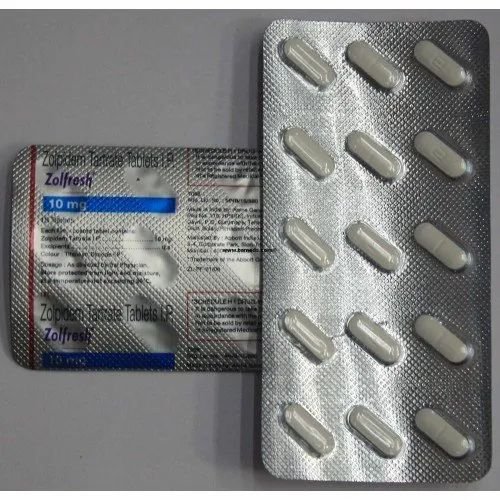
Ambien 10mg

Price range: €120.00 through €820.00
Benefits of Ambien 10 mg
Ambien 10mg offers several benefits to those who are struggling with sleep disorders. Here are some key advantages:
1. Fast Acting: Ambien 10mg begins to work within minutes after taking it, providing a quick and effective solution for insomniacs.
2. Extended Release: Ambien 10mg comes in an extended-release formulation, which helps to maintain a steady level of medication in the body throughout the night. This can prevent interruptions during sleep and allow for more consistent and restful sleep.
3. Relieves Sleep Disturbances: Ambien 10mg can effectively alleviate common sleep disturbances such as difficulty falling asleep, frequent awakenings during the night, and early morning awakenings.
4. Improves Overall Sleep Quality: By promoting a deeper and more restful sleep, Ambien 10mg can improve overall sleep quality, leading to increased energy levels and improved cognitive function during the day.
Ambien 10 mg: Uses, Dosage, Side Effects, Safety, and Frequently Asked Questions
Learn about Ambien 10 mg (zolpidem tartrate), including its approved medical uses, dosage considerations, side effects, safety warnings, precautions, and frequently asked questions.
Ambien 10 mg: Everything You Need to Know
Ambien 10 mg is a prescription medication containing Zolpidem, a sedative-hypnotic used for the short-term treatment of insomnia in adults. It is primarily prescribed for people who have difficulty falling asleep.
Ambien works by slowing activity in the brain to help promote sleep. Because it can cause drowsiness, impaired alertness, dependence, and other serious side effects, it should only be taken exactly as prescribed by a qualified healthcare professional.
This guide explains what Ambien 10 mg is, how it works, its approved uses, possible side effects, important safety information, and answers to frequently asked questions.
What Is Ambien 10 mg?
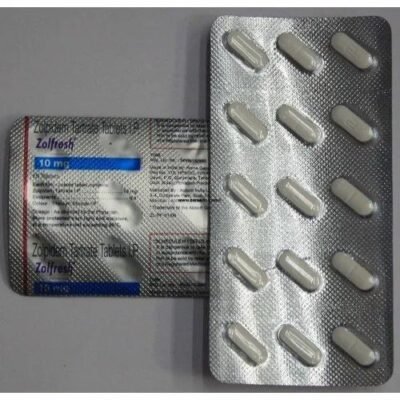
Ambien contains zolpidem tartrate, a medication that acts on receptors involved in sleep regulation. Although it is not a benzodiazepine, it works on similar brain pathways to produce a calming effect that helps initiate sleep.
Ambien is generally intended for short-term use, alongside good sleep habits and evaluation of any underlying causes of insomnia.
Approved Medical Uses
Healthcare professionals may prescribe Ambien 10 mg for:
- Short-term treatment of insomnia
- Difficulty falling asleep (sleep-onset insomnia)
Treatment plans are individualized based on a person’s symptoms, medical history, age, and response to therapy.
How Does Ambien Work?
Zolpidem enhances the activity of gamma-aminobutyric acid (GABA), an inhibitory neurotransmitter in the brain.
This action helps:
- Promote sleep onset
- Reduce the time it takes to fall asleep
- Produce a calming effect on the central nervous system
It is most effective when taken immediately before going to bed, with enough time available for a full night’s sleep.
How Should Ambien 10 mg Be Taken?
Ambien should always be taken exactly as prescribed.
General recommendations include:
- Take it immediately before bedtime.
- Ensure you have at least 7–8 hours available for sleep before taking a dose.
- Do not take an extra dose during the same night.
- Avoid alcohol while using Ambien.
- Do not increase or decrease your dose without consulting your healthcare provider.
Because the medication can impair alertness the following morning, use caution with activities that require full attention.
Common Side Effects
Common side effects may include:
- Drowsiness
- Dizziness
- Headache
- Fatigue
- Nausea
- Dry mouth
- Diarrhea
These side effects are often mild but should be discussed with a healthcare provider if they persist or worsen.
Serious Safety Warnings
Ambien carries important safety warnings.
Potential serious risks include:
- Next-day impairment of alertness
- Complex sleep behaviors, such as sleepwalking, sleep-driving, or other activities performed while not fully awake
- Severe allergic reactions
- Physical dependence with prolonged use
- Misuse and overdose, particularly when combined with other sedating substances
- Worsening depression or unusual changes in mood or behavior in some individuals
Seek immediate medical attention if you experience severe allergic symptoms, difficulty breathing, or complex sleep behaviors.
Important Precautions
Before taking Ambien, tell your healthcare provider if you have:
- Liver disease
- Breathing disorders, including sleep apnea
- Depression or other mental health conditions
- A history of substance use disorder
- Pregnancy or breastfeeding considerations
Older adults may be more sensitive to the medication’s effects and have a higher risk of falls and confusion.
Drug Interactions
Ambien may interact with several medications and substances.
Tell your healthcare provider about all:
- Prescription medications
- Over-the-counter medicines
- Vitamins
- Herbal supplements
Particular caution is required with:
- Opioid pain medications
- Anti-anxiety medications
- Other sleeping pills
- Muscle relaxants
- Alcohol
- Other medicines that depress the central nervous system
These combinations can increase the risk of excessive sedation and breathing problems.
Safe Storage and Disposal
To help prevent accidental ingestion or misuse:
- Store Ambien in a secure location.
- Keep it out of the reach of children and pets.
- Never share your prescription with another person.
- Dispose of unused medication through an authorized medication take-back program when available.
Frequently Asked Questions
What is Ambien 10 mg used for?
Ambien 10 mg is prescribed for the short-term treatment of insomnia, particularly difficulty falling asleep.
Is Ambien a benzodiazepine?
No. Ambien is a sedative-hypnotic medication that works on similar brain receptors but is not classified as a benzodiazepine.
What are the most common side effects?
Common side effects include drowsiness, dizziness, headache, fatigue, nausea, and dry mouth.
Can Ambien cause dependence?
Yes. Prolonged or inappropriate use may lead to physical dependence or misuse. It should only be used exactly as prescribed.
Why should I take Ambien only when I can get a full night’s sleep?
Taking Ambien without allowing enough time for sleep may increase the risk of next-day drowsiness, impaired coordination, and reduced alertness.
Conclusion
Ambien 10 mg is a prescription medication used for the short-term treatment of insomnia by helping people fall asleep more quickly. When used appropriately under medical supervision, it can be an effective part of an overall sleep management plan that also includes healthy sleep habits.
Because Ambien may cause drowsiness, complex sleep behaviors, dependence, and other serious side effects, it should be taken only as prescribed. Regular follow-up with a healthcare provider helps ensure that treatment remains safe, effective, and appropriate.
Ambien 10 mg, Ambien, zolpidem, zolpidem tartrate, Ambien uses, Ambien dosage, Ambien side effects, insomnia treatment, prescription sleep medication, sedative hypnotic, sleep aid medication, difficulty falling asleep, medication safety, patient education, prescription medication guide, insomnia management, healthcare information, sleep disorder treatment, Ambien FAQs, zolpidem safety.
| Quantity | 30 Pills, 60 Pills, 120 Pills, 180 Pills, 200 Pills, 250 Pills, 300 Pills, 400 Pills, 500 Pills |
|---|
Be the first to review “Ambien 10mg”
Related products

ANXIETY
ANXIETY
ANXIETY
ANXIETY

ANXIETY
ANXIETY

ANXIETY
ANXIETY
Reviews
There are no reviews yet.