
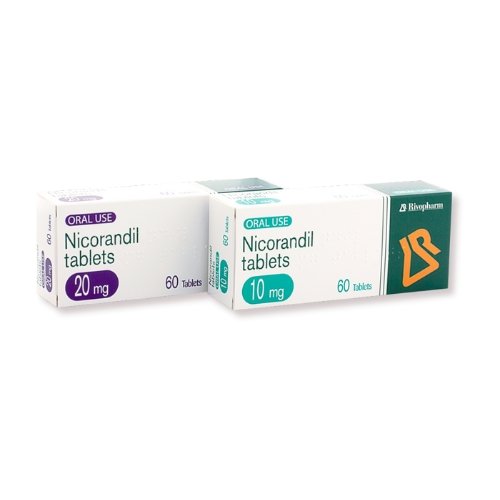
Nicorandil 10mg

Price range: €120.00 through €820.00
Nicorandil 10 mg is an effective anti-anginal medication that helps prevent chest pain by improving blood flow to the heart and reducing the heart’s workload. It is intended for long-term management of chronic stable angina rather than the immediate treatment of acute angina attacks.
Nicorandil 10 mg: Uses, Dosage, Side Effects, Safety, and Frequently Asked Questions
What Is Nicorandil 10 mg?
Nicorandil 10 mg is a prescription medication used to prevent and treat chronic stable angina (chest pain) caused by reduced blood flow to the heart. It belongs to a class of medicines known as anti-anginal agents and has both potassium channel-opening and nitrate-like properties.
Nicorandil helps widen blood vessels, making it easier for blood and oxygen to reach the heart muscle. It is used to prevent angina attacks and is not intended for the immediate relief of sudden chest pain.
Nicorandil is commonly available in:
- 10 mg tablets
- 20 mg tablets
How Nicorandil Works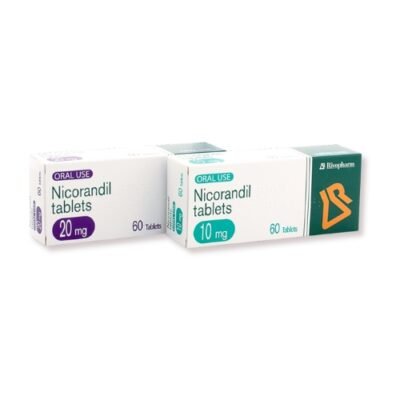
Nicorandil improves blood flow to the heart by:
- Relaxing and widening arteries and veins.
- Reducing the workload of the heart.
- Increasing oxygen delivery to the heart muscle.
- Lowering the heart’s oxygen demand during physical activity.
These effects help reduce the frequency and severity of angina symptoms.
Nicorandil 10 mg Uses
Chronic Stable Angina
Nicorandil is prescribed to help prevent episodes of chest pain caused by coronary artery disease.
It may help reduce symptoms such as:
- Chest tightness.
- Chest pressure.
- Chest discomfort during exercise or emotional stress.
- Reduced exercise tolerance due to angina.
It is often prescribed when other anti-anginal medicines are unsuitable or when additional symptom control is needed.
Benefits of Nicorandil 10 mg
When taken as prescribed, nicorandil may help:
- Reduce the frequency of angina attacks.
- Improve exercise tolerance.
- Increase blood flow to the heart.
- Improve daily quality of life for people with chronic angina.
- Reduce the need for short-acting nitrate medicines in some patients.
Nicorandil 10 mg Dosage
The correct dose depends on:
- The severity of angina.
- Age.
- Other medical conditions.
- Other medications.
- Individual response to treatment.
General guidance:
- Take exactly as prescribed.
- Your healthcare provider may adjust the dose based on your symptoms.
- Do not stop taking nicorandil without medical advice.
How to Take Nicorandil 10 mg
For best results:
- Take the tablet with water.
- It may be taken with or without food.
- Take it at the same time each day.
- If headaches occur when starting treatment, your healthcare provider may recommend strategies to help manage them.
Missed Dose
If you miss a dose:
- Take it as soon as you remember unless it is nearly time for your next dose.
- Skip the missed dose if appropriate.
- Do not take two doses at the same time.
Common Side Effects
Common side effects may include:
- Headache.
- Dizziness.
- Flushing.
- Nausea.
- Weakness.
- Low blood pressure.
- Fast heartbeat.
Headaches are particularly common when treatment begins and often improve over time.
Serious Side Effects
Seek immediate medical attention if you experience:
- Severe allergic reactions.
- Persistent mouth ulcers.
- Ulcers affecting the stomach, intestines, skin, or genital area.
- Severe dizziness or fainting.
- Chest pain that worsens.
- Difficulty breathing.
Although rare, nicorandil has been associated with serious ulceration involving the mouth, gastrointestinal tract, skin, eyes, and genital area. Report any persistent or unusual ulcers to your healthcare provider promptly.
Safety Information
Before taking nicorandil, tell your healthcare provider if you have:
- Low blood pressure.
- Heart failure.
- Recent heart attack.
- Severe dehydration.
- Kidney disease.
- Liver disease.
- Pregnancy or plans to become pregnant.
- Breastfeeding.
Regular follow-up appointments help ensure the medicine remains safe and effective.
Drug Interactions
Nicorandil may interact with:
- Medicines used to treat erectile dysfunction (such as sildenafil, tadalafil, or vardenafil).
- Other nitrate medicines.
- Blood pressure-lowering medications.
- Diuretics.
- Alcohol.
Combining nicorandil with medicines for erectile dysfunction can cause a dangerous drop in blood pressure.
Always tell your healthcare provider about all medicines and supplements you take.
Alcohol and Nicorandil
Alcohol may increase:
- Dizziness.
- Light-headedness.
- Low blood pressure.
Limiting alcohol intake may reduce these effects.
Pregnancy and Breastfeeding
If you are pregnant, planning pregnancy, or breastfeeding:
- Discuss nicorandil with your healthcare provider before treatment.
- It should only be used when the potential benefits outweigh the potential risks.
Storage
Store nicorandil tablets:
- At room temperature.
- Away from moisture and heat.
- In the original packaging.
- Out of reach of children.
Frequently Asked Questions (FAQs)
What is Nicorandil 10 mg used for?
Nicorandil 10 mg is used to prevent and treat chronic stable angina by improving blood flow to the heart muscle.
Does nicorandil stop an angina attack immediately?
No. Nicorandil is intended to help prevent angina attacks. It should not replace fast-acting medicines prescribed for sudden chest pain.
How does nicorandil work?
It relaxes and widens blood vessels, increasing oxygen supply to the heart while reducing the heart’s workload.
Why does nicorandil cause headaches?
Headaches occur because the medicine widens blood vessels. They are common when treatment starts and often become less noticeable over time.
Can nicorandil lower blood pressure?
Yes. It may lower blood pressure and cause dizziness or fainting, especially when standing up quickly.
Can I stop nicorandil suddenly?
Do not stop taking nicorandil without consulting your healthcare provider, as your angina symptoms may worsen.
Can nicorandil be taken with food?
Yes. It may be taken with or without food.
Can older adults take nicorandil?
Yes. Many older adults use nicorandil safely, but they may require closer monitoring for low blood pressure and dizziness.
Can nicorandil be taken with medicines for erectile dysfunction?
No. Combining nicorandil with medicines such as sildenafil, tadalafil, or vardenafil can cause a dangerous drop in blood pressure and should be avoided unless specifically advised by a healthcare professional.
What happens if I take too much nicorandil?
An overdose may cause severe low blood pressure, dizziness, fainting, rapid heartbeat, or collapse. Seek emergency medical attention immediately if an overdose is suspected.
Final Thoughts
Nicorandil 10 mg is an effective anti-anginal medication that helps prevent chest pain by improving blood flow to the heart and reducing the heart’s workload. It is intended for long-term management of chronic stable angina rather than the immediate treatment of acute angina attacks.
For the best results, take nicorandil exactly as prescribed, attend regular medical reviews, and report any persistent ulcers, severe dizziness, or other unusual symptoms to your healthcare provider promptly.
Medical Disclaimer: This article is for educational and informational purposes only and should not replace professional medical advice, diagnosis, or treatment. Always consult a qualified healthcare professional before starting, stopping, or changing any medication.
| Quantity | 30 Pills, 60 Pills, 120 Pills, 180 Pills, 200 Pills, 250 Pills, 300 Pills, 400 Pills, 500 Pills |
|---|
Be the first to review “Nicorandil 10mg”
Related products

Drugs
Drugs
Drugs
Drugs
Drugs
Drugs
Drugs
Drugs
Reviews
There are no reviews yet.