
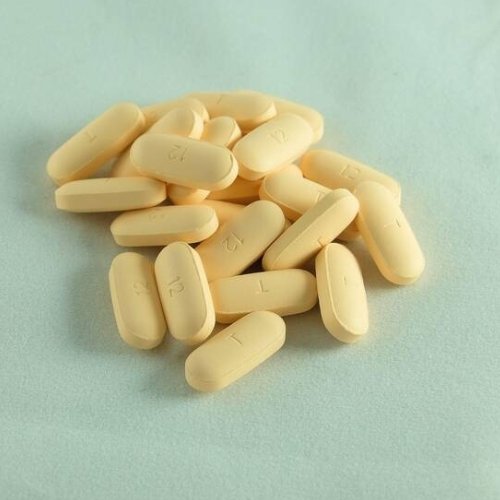
Levaquin 750 mg: Uses, Dosage, Side Effects, Safety, and Frequently Asked Questions
What Is Levaquin 750 mg?
Levaquin 750 mg is a prescription antibiotic containing levofloxacin, a medicine in the fluoroquinolone class of antibiotics. It is used to treat a variety of bacterial infections in adults by stopping the growth and spread of bacteria.
Levaquin is effective against many types of bacteria, but it does not treat viral infections such as the common cold or influenza. To help reduce antibiotic resistance, it should only be used for infections caused by bacteria that are susceptible to levofloxacin.
Levaquin is available as:
- Oral tablets.
- Oral solution.
- Intravenous (IV) infusion for hospital use.
The 750 mg tablet is one of the higher strengths and is prescribed for specific infections and treatment durations determined by a healthcare provider.
How Levaquin Works
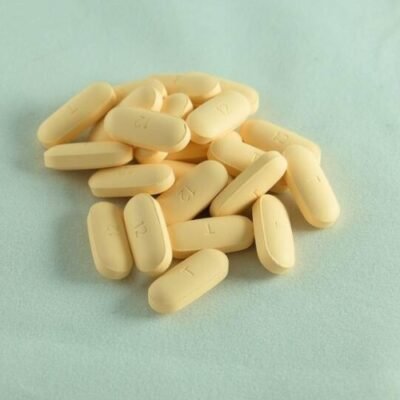
Levofloxacin works by blocking bacterial enzymes called DNA gyrase and topoisomerase IV, which bacteria need to:
- Replicate their DNA.
- Grow and multiply.
- Repair damaged genetic material.
By interfering with these enzymes, Levaquin kills susceptible bacteria and helps clear the infection.
Levaquin 750 mg Uses
Respiratory Tract Infections
Levaquin may be prescribed to treat bacterial infections such as:
- Community-acquired pneumonia.
- Certain cases of hospital-acquired pneumonia.
- Acute bacterial sinusitis.
- Acute bacterial exacerbations of chronic bronchitis.
Urinary Tract Infections (UTIs)
Levaquin may be used to treat:
- Complicated urinary tract infections.
- Kidney infections (pyelonephritis).
Skin and Soft Tissue Infections
It may be prescribed for certain bacterial infections affecting the skin and underlying tissues.
Prostate Infections
Levaquin may be used to treat chronic bacterial prostatitis caused by susceptible bacteria.
Other Serious Bacterial Infections
In selected situations, healthcare providers may prescribe Levaquin for other bacterial infections when it is considered an appropriate treatment option.
Benefits of Levaquin 750 mg
When used appropriately, Levaquin may help:
- Eliminate susceptible bacteria.
- Reduce symptoms of bacterial infection.
- Prevent infection from worsening.
- Lower the risk of complications.
- Promote recovery when combined with appropriate medical care.
Levaquin 750 mg Dosage
The correct dose depends on:
- The type of infection.
- Its severity.
- Kidney function.
- Age.
- Individual response to treatment.
General guidance:
- Take exactly as prescribed.
- Complete the entire course, even if you start feeling better.
- Do not skip doses or stop treatment early unless advised by your healthcare provider.
People with reduced kidney function may require dose adjustments.
How to Take Levaquin 750 mg
For best results:
- Take the tablet at the same time each day.
- Swallow it whole with a full glass of water.
- It may be taken with or without food.
- Stay well hydrated during treatment.
Certain products can reduce the absorption of levofloxacin. Unless your healthcare provider advises otherwise, avoid taking the tablet at the same time as:
- Antacids containing magnesium or aluminium.
- Iron supplements.
- Zinc supplements.
- Sucralfate.
- Multivitamins containing minerals.
Your healthcare provider or pharmacist can advise you on appropriate timing if you need these products.
Missed Dose
If you miss a dose:
- Take it as soon as you remember.
- If it is almost time for your next scheduled dose, skip the missed dose.
- Do not take two doses together.
Common Side Effects
Common side effects may include:
- Nausea.
- Diarrhoea.
- Headache.
- Dizziness.
- Difficulty sleeping.
- Constipation.
- Stomach discomfort.
Many side effects are mild and improve after treatment ends.
Serious Side Effects
Seek immediate medical attention if you experience:
- Tendon pain, swelling, or rupture.
- Severe muscle or joint pain.
- Numbness or tingling in the hands or feet.
- Severe allergic reactions.
- Severe diarrhoea that is persistent or bloody.
- Seizures.
- Irregular heartbeat.
- Severe mood or mental changes.
- Yellowing of the skin or eyes.
Fluoroquinolone antibiotics, including levofloxacin, carry important safety warnings because they may increase the risk of tendon injury, peripheral neuropathy, and central nervous system side effects. Your healthcare provider will weigh these risks against the expected benefits when prescribing this medication.
Safety Information
Before taking Levaquin, tell your healthcare provider if you have:
- Kidney disease.
- Epilepsy or a history of seizures.
- Diabetes.
- Heart rhythm disorders.
- Myasthenia gravis.
- A history of tendon disorders.
- Liver disease.
Older adults and people taking corticosteroids may have a higher risk of tendon problems.
Drug Interactions
Levaquin may interact with:
- Warfarin.
- Corticosteroids.
- Diabetes medicines.
- Antiarrhythmic medicines.
- Non-steroidal anti-inflammatory drugs (NSAIDs).
- Antacids containing magnesium or aluminium.
- Iron supplements.
- Zinc supplements.
- Sucralfate.
Always tell your healthcare provider about all prescription medicines, over-the-counter products, vitamins, and herbal supplements you use.
Alcohol and Levaquin
There is no major direct interaction between alcohol and levofloxacin. However, alcohol may increase side effects such as:
- Dizziness.
- Drowsiness.
- Difficulty concentrating.
Limiting alcohol during treatment may help reduce these effects.
Pregnancy and Breastfeeding
If you are pregnant, planning pregnancy, or breastfeeding:
- Inform your healthcare provider before taking Levaquin.
- Levofloxacin is generally used during pregnancy only when the expected benefits outweigh the potential risks.
Your healthcare provider will determine the most appropriate treatment for your situation.
Storage
Store Levaquin tablets:
- At room temperature.
- Away from excessive heat and moisture.
- In the original packaging.
- Out of reach of children.
Do not use after the expiry date.
Frequently Asked Questions (FAQs)
What is Levaquin 750 mg used for?
Levaquin 750 mg is used to treat certain bacterial infections, including pneumonia, urinary tract infections, kidney infections, sinus infections, and chronic bacterial prostatitis.
Is Levaquin a penicillin?
No. Levaquin contains levofloxacin, which belongs to the fluoroquinolone class of antibiotics.
Can Levaquin treat viral infections?
No. Levaquin only works against susceptible bacterial infections and does not treat viruses such as colds or influenza.
Should I finish the entire course?
Yes. Complete the full course of treatment unless your healthcare provider instructs you otherwise, even if you feel better before it is finished.
Can Levaquin cause tendon problems?
Yes. Tendon inflammation and tendon rupture are rare but serious side effects associated with fluoroquinolone antibiotics. Contact your healthcare provider immediately if you develop tendon pain or swelling.
Can I take antacids with Levaquin?
Antacids and some mineral supplements can reduce the absorption of levofloxacin. Follow your healthcare provider’s instructions regarding the timing of these products.
Can Levaquin make me dizzy?
Yes. Dizziness is a possible side effect, so avoid driving or operating machinery if you are affected.
Can children take Levaquin?
Levofloxacin is generally reserved for specific situations in children when the potential benefits outweigh the risks and should only be used under specialist medical supervision.
What happens if I take too much Levaquin?
An overdose may increase the risk of serious side effects, including confusion, seizures, or heart rhythm problems. Seek immediate medical attention if an overdose is suspected.
Why is Levaquin sometimes reserved for certain infections?
Because of the risk of potentially serious side effects, healthcare providers may reserve fluoroquinolone antibiotics for situations where they are considered the most appropriate treatment or when other suitable antibiotics are not appropriate.
Final Thoughts
Levaquin 750 mg (levofloxacin) is a powerful fluoroquinolone antibiotic used to treat a variety of serious bacterial infections. When prescribed appropriately, it can effectively eliminate susceptible bacteria and support recovery.
For the best results, take Levaquin exactly as prescribed, complete the full course of treatment, stay well hydrated, and promptly report any tendon pain, nerve symptoms, or other serious side effects to your healthcare provider.
Medical Disclaimer: This article is for educational and informational purposes only and should not replace professional medical advice, diagnosis, or treatment. Always consult a qualified healthcare professional before starting, stopping, or changing any medication.
| Quantity | 30 Pills, 60 Pills, 120 Pills, 180 Pills, 200 Pills, 250 Pills, 300 Pills, 400 Pills, 500 Pills |
|---|
Be the first to review “Levaquin 750mg”
Related products
Drugs
Drugs

Drugs

Drugs
Drugs
Drugs
Drugs
Reviews
There are no reviews yet.