
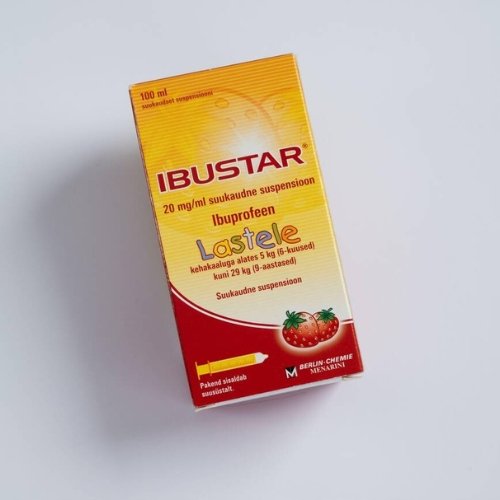
Ibuprofen for children 100/5mg


€30.00
Ibuprofen for Children 100 mg/5 mL is a commonly used medicine for relieving pain, reducing fever, and treating inflammation in infants and children. When given at the correct dose based on the child’s age and weight, it can help improve comfort during common childhood illnesses and minor injuries.
Ibuprofen for Children 100 mg/5 mL: Uses, Dosage, Side Effects, Safety, and Frequently Asked Questions
What Is Ibuprofen for Children 100 mg/5 mL?
Ibuprofen for Children 100 mg/5 mL is an oral liquid medicine used to reduce fever, relieve pain, and decrease inflammation in infants and children. It belongs to a group of medicines called nonsteroidal anti-inflammatory drugs (NSAIDs).
The strength 100 mg/5 mL means that every 5 millilitres (mL) of the oral suspension contains 100 milligrams (mg) of ibuprofen.
Children’s ibuprofen is commonly available under brand names such as Nurofen for Children, as well as generic formulations. It is often used for short-term relief of common childhood illnesses and minor injuries.
How Ibuprofen Works

Ibuprofen works by blocking enzymes called cyclooxygenase (COX-1 and COX-2), which produce substances known as prostaglandins.
By reducing prostaglandin production, ibuprofen helps to:
- Lower fever.
- Relieve pain.
- Reduce swelling and inflammation.
- Improve comfort during illness or recovery.
Ibuprofen for Children 100 mg/5 mL Uses
Fever
Ibuprofen may be used to reduce fever associated with:
- Colds.
- Influenza (flu).
- Ear infections.
- Viral illnesses.
- Other common childhood infections.
Lowering fever may help improve a child’s comfort, although fever itself is often part of the body’s normal response to infection.
Pain Relief
Children’s ibuprofen may help relieve mild to moderate pain caused by:
- Toothache.
- Teething discomfort (in children old enough for ibuprofen according to the product label).
- Headache.
- Sore throat.
- Earache.
- Muscle aches.
- Minor sprains and strains.
- Pain after minor injuries.
- Pain following certain vaccinations, if recommended by a healthcare professional.
Inflammation
Ibuprofen also reduces inflammation associated with:
- Minor injuries.
- Soft tissue swelling.
- Certain inflammatory conditions when prescribed by a healthcare professional.
Benefits of Ibuprofen for Children
When used correctly, ibuprofen may help:
- Reduce fever.
- Relieve pain.
- Ease inflammation.
- Improve comfort during illness.
- Help children rest, eat, and drink more comfortably while recovering.
Ibuprofen for Children Dosage
The appropriate dose depends on:
- The child’s age and body weight.
- The strength of the product.
- The condition being treated.
- Healthcare provider recommendations.
General guidance:
- Always use the dosing syringe, spoon, or measuring cup provided with the medicine.
- Give the medicine exactly as directed on the product label or by your healthcare professional.
- Do not exceed the recommended dose or frequency.
- Avoid giving more than one ibuprofen-containing product at the same time.
Because dosing is based largely on body weight, follow the package instructions or your healthcare provider’s advice carefully.
How to Give Ibuprofen to Children
For best results:
- Shake the bottle well before each use.
- Measure the dose carefully using the supplied measuring device.
- Give the medicine by mouth.
- The medicine may be given with food or milk if stomach upset occurs.
- Encourage your child to drink fluids during illness unless otherwise advised.
Never estimate the dose using a household teaspoon.
Missed Dose
If ibuprofen has been prescribed on a schedule:
- Give the missed dose when you remember.
- Skip it if it is nearly time for the next dose.
- Do not give two doses together.
When treating fever or occasional pain, ibuprofen is usually given only when needed.
Common Side Effects
Most children tolerate ibuprofen well. Possible side effects include:
- Mild stomach upset.
- Nausea.
- Vomiting.
- Diarrhoea.
- Indigestion.
- Headache.
- Dizziness.
These side effects are usually mild and temporary.
Serious Side Effects
Seek immediate medical attention if your child develops:
- Difficulty breathing.
- Swelling of the face, lips, tongue, or throat.
- Severe allergic reaction.
- Black or bloody stools.
- Vomiting blood.
- Severe stomach pain.
- Persistent vomiting.
- Severe skin rash or blistering.
- Signs of dehydration, such as reduced urination or extreme lethargy.
These reactions are uncommon but require urgent medical care.
Safety Information
Before giving ibuprofen to your child, tell your healthcare provider if your child has:
- Asthma, especially if triggered by NSAIDs.
- Kidney disease.
- Liver disease.
- Stomach ulcers.
- Gastrointestinal bleeding.
- Heart disease.
- Bleeding disorders.
- An allergy to ibuprofen, aspirin, or other NSAIDs.
Avoid giving ibuprofen to children who are significantly dehydrated due to vomiting or diarrhoea unless advised by a healthcare professional.
Drug Interactions
Ibuprofen may interact with:
- Other NSAIDs.
- Aspirin.
- Blood-thinning medicines.
- Corticosteroids.
- Certain blood pressure medicines.
- Some antibiotics.
- Methotrexate.
Always tell your child’s healthcare provider about any prescription medicines, over-the-counter medicines, vitamins, or herbal supplements they are taking.
When to Seek Medical Advice
Contact a healthcare professional if:
- Fever lasts longer than recommended in the product instructions.
- Pain continues despite treatment.
- Symptoms worsen or new symptoms develop.
- Your child becomes unusually sleepy, difficult to wake, or appears seriously unwell.
- You are unsure of the correct dose.
Storage
Store children’s ibuprofen:
- At room temperature.
- Away from direct sunlight and excessive heat.
- Keep the bottle tightly closed.
- Out of the sight and reach of children.
Do not use after the expiry date.
Frequently Asked Questions (FAQs)
What is Ibuprofen 100 mg/5 mL used for?
It is used to reduce fever, relieve pain, and decrease inflammation in children.
Is children’s ibuprofen the same as Nurofen for Children?
Many Nurofen for Children products contain ibuprofen 100 mg/5 mL, although formulations and flavours may vary depending on the manufacturer and country.
How is the dose determined?
The correct dose is usually based on the child’s body weight and age. Always follow the product instructions or your healthcare provider’s advice.
Can ibuprofen be given with food?
Yes. Giving it with food or milk may help reduce stomach upset.
Can I give ibuprofen and paracetamol together?
In some situations, a healthcare professional may recommend using both medicines, but follow medical advice or the product instructions before combining them.
Can ibuprofen be used after childhood vaccinations?
It may be appropriate in some situations to relieve pain or fever after vaccination if recommended by your healthcare provider.
When should ibuprofen not be given?
Avoid giving ibuprofen to children with certain allergies to NSAIDs, active stomach ulcers, severe kidney disease, or significant dehydration unless advised by a healthcare professional.
Can ibuprofen cause stomach irritation?
Yes. Like other NSAIDs, ibuprofen may cause stomach discomfort or irritation in some children.
How long does ibuprofen take to work?
Many children begin to experience relief within 30 to 60 minutes, although this may vary.
What happens if a child takes too much ibuprofen?
An overdose may cause serious symptoms, including vomiting, severe stomach pain, drowsiness, breathing problems, seizures, or kidney injury. Seek emergency medical attention or contact your local poison centre immediately if an overdose is suspected.
Final Thoughts
Ibuprofen for Children 100 mg/5 mL is a commonly used medicine for relieving pain, reducing fever, and treating inflammation in infants and children. When given at the correct dose based on the child’s age and weight, it can help improve comfort during common childhood illnesses and minor injuries.
Always measure each dose carefully, follow the product instructions or your healthcare provider’s advice, and avoid exceeding the recommended dose. If your child’s symptoms persist, worsen, or you are concerned about their condition, seek medical advice promptly.
Medical Disclaimer: This article is for educational and informational purposes only and should not replace professional medical advice, diagnosis, or treatment. Always consult a qualified healthcare professional before giving any medication to a child.
Be the first to review “Ibuprofen for children 100/5mg”
Related products

Drugs

Drugs
Drugs

Drugs
Drugs
Drugs

Drugs
Drugs
Reviews
There are no reviews yet.