
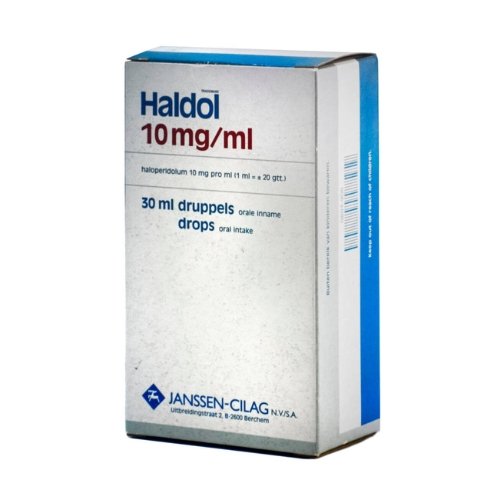
Haldol 1ml

Price range: €120.00 through €820.00
Haldol 1 mL (haloperidol injection) is a prescription antipsychotic medication used in medical settings for managing psychosis, severe agitation, and certain movement disorders. It works mainly by reducing excessive dopamine activity in the brain.
Because Haldol can cause significant side effects, including movement disorders and possible heart rhythm changes, it should only be used under the supervision of a qualified healthcare professional with appropriate monitoring.
Haldol 1 mL: Uses, Dosage, Side Effects, Safety, and Frequently Asked Questions (Complete Guide)
What Is Haldol 1 mL?
Haldol 1 mL is an injectable form of haloperidol, a prescription medicine belonging to the antipsychotic class of medications. It is used to manage certain psychiatric and neurological conditions involving changes in thinking, perception, mood, behaviour, or movement.
The term “1 mL” refers to the volume of the injection, not the medication strength. Haldol injection may be available in different strengths depending on the product formulation and country.
Haloperidol works mainly by affecting dopamine receptors in the brain, helping regulate excessive dopamine activity associated with certain symptoms of psychosis and agitation.
How Haldol (Haloperidol) Works
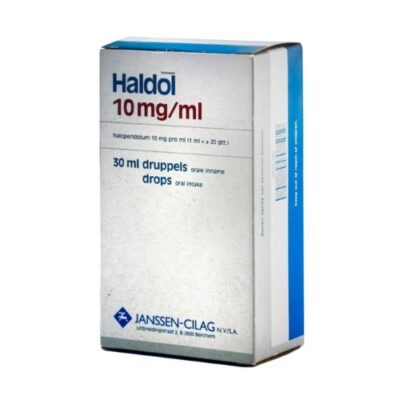
The brain uses chemical messengers called neurotransmitters to control thoughts, emotions, movement, and behaviour.
Haloperidol works by:
- Blocking dopamine receptors.
- Reducing excessive dopamine signalling.
- Helping decrease hallucinations and delusions.
- Helping control severe agitation.
- Reducing certain involuntary movements.
The effects of Haldol vary depending on the condition being treated and the individual patient.
Haldol 1 mL Uses
Treatment of Psychotic Disorders
Haldol may be prescribed for conditions involving psychosis, including:
- Schizophrenia.
- Other psychotic disorders.
- Severe disturbances in perception or thinking.
Symptoms that may improve include:
- Hallucinations.
- Delusions.
- Disorganized thoughts.
- Severe behavioural changes.
Severe Agitation
Haldol injection may be used in medical settings when rapid control of severe agitation is required.
Possible situations include:
- Acute psychiatric episodes.
- Severe behavioural disturbances.
- Certain emergency medical situations involving extreme agitation.
A healthcare professional determines whether injectable haloperidol is appropriate.
Tourette Syndrome
Haloperidol may be used in some cases to help manage severe motor and vocal tics associated with Tourette syndrome.
Other Medical Uses
In certain clinical situations, doctors may prescribe haloperidol for other symptoms where dopamine regulation may be helpful.
Use depends on professional medical assessment.
Haldol Injection Dosage
The dose of Haldol injection depends on:
- The condition being treated.
- Age.
- Medical history.
- Other medicines being taken.
- Response to treatment.
- The specific haloperidol formulation.
Important guidance:
- Haldol injection should only be given as prescribed.
- A healthcare professional determines the correct dose and frequency.
- Do not self-inject or change the dose without medical advice.
Older adults and people with certain medical conditions may require lower doses and closer monitoring.
How Haldol 1 mL Injection Is Given
Haldol injection is administered by a trained healthcare professional.
The healthcare provider will determine:
- The appropriate dose.
- The injection method.
- The timing of administration.
- Required monitoring.
Patients may be monitored after receiving injectable Haldol for possible side effects, especially after higher doses or first use.
Common Side Effects
Possible side effects of Haldol may include:
- Drowsiness.
- Dizziness.
- Restlessness.
- Anxiety or agitation.
- Dry mouth.
- Constipation.
- Blurred vision.
- Muscle stiffness.
- Tremors.
- Slowed movements.
Some side effects occur because haloperidol affects dopamine pathways involved in movement control.
Extrapyramidal Side Effects (Movement Problems)
Haloperidol may cause movement-related side effects known as extrapyramidal symptoms.
These may include:
Muscle Stiffness
Some people may experience:
- Tight or stiff muscles.
- Reduced flexibility.
- Slower movements.
Tremors
Possible symptoms include:
- Shaking movements.
- Difficulty controlling certain movements.
Restlessness (Akathisia)
Some people may feel:
- Unable to sit still.
- Increased inner restlessness.
- A need to move constantly.
Tardive Dyskinesia
Long-term treatment may increase the risk of involuntary movements, which require medical evaluation.
Serious Side Effects
Seek urgent medical help if you experience:
- Severe muscle stiffness with fever and confusion.
- Fainting.
- Irregular heartbeat.
- Seizures.
- Severe allergic reactions.
- Uncontrolled movements.
- Extreme changes in mental status.
Heart and Blood Pressure Safety
Haldol may affect heart rhythm in some people.
Your healthcare provider may consider monitoring if you have:
- Heart rhythm problems.
- Low potassium or magnesium levels.
- Heart disease.
- A history of fainting episodes.
- Use of other medicines affecting heart rhythm.
Haldol may also cause blood pressure changes, including dizziness when standing.
Important Safety Precautions
Before receiving Haldol, tell your healthcare provider if you have:
- Heart disease.
- Parkinson’s disease.
- Epilepsy or seizures.
- Liver problems.
- Dementia.
- Blood disorders.
- Previous reactions to antipsychotic medicines.
Your healthcare provider should know about all medications and supplements you use.
Drug Interactions
Haldol may interact with:
- Medicines affecting heart rhythm.
- Other antipsychotic medicines.
- Certain antidepressants.
- Sedatives.
- Sleeping medicines.
- Opioid medicines.
- Some blood pressure medications.
Always provide a complete medication list to your healthcare professional.
Alcohol and Haldol
Alcohol may increase side effects such as:
- Sleepiness.
- Dizziness.
- Reduced coordination.
- Difficulty concentrating.
Avoid alcohol or discuss its use with your healthcare provider while receiving Haldol.
Pregnancy and Breastfeeding
If you are pregnant, planning pregnancy, or breastfeeding, speak with your healthcare provider before using Haldol.
The decision to use haloperidol during pregnancy or breastfeeding depends on the individual medical situation.
Storage and Handling
Haldol injection should be:
- Stored according to manufacturer instructions.
- Protected from unsuitable temperatures and light.
- Handled by trained healthcare professionals.
Do not use injectable medicines that appear damaged or improperly stored.
Frequently Asked Questions (FAQs)
What is Haldol 1 mL used for?
Haldol 1 mL is an injectable form of haloperidol used for conditions such as psychosis, schizophrenia, severe agitation, and some movement disorders.
Is Haldol a sleeping medicine?
No. Haldol is an antipsychotic medicine. It may cause drowsiness, but its main purpose is treating symptoms related to psychosis and severe behavioural disturbances.
How does Haldol calm agitation?
Haldol reduces excessive dopamine activity in the brain, which may help decrease severe agitation and psychotic symptoms.
How long does Haldol injection last?
The duration depends on the specific formulation, dose, and individual response.
Can Haldol cause shaking?
Yes. Movement-related side effects such as tremors or stiffness can occur in some people.
Can Haldol be stopped suddenly?
Do not stop Haldol without medical advice. A healthcare provider can guide safe dose changes if treatment needs to be adjusted.
Is Haldol safe for older adults?
Older adults may be more sensitive to side effects, so doctors usually use careful dosing and monitoring.
Does Haldol affect memory?
Some people may experience changes in alertness or concentration. Discuss any concerns with a healthcare professional.
Can Haldol be taken with antidepressants?
Some combinations may be used, but they require medical supervision because interactions are possible.
What happens if too much Haldol is given?
An excessive dose may cause severe drowsiness, movement problems, low blood pressure, or heart rhythm changes. Emergency medical help should be sought if overdose is suspected.
Final Thoughts
Haldol 1 mL (haloperidol injection) is a prescription antipsychotic medication used in medical settings for managing psychosis, severe agitation, and certain movement disorders. It works mainly by reducing excessive dopamine activity in the brain.
Because Haldol can cause significant side effects, including movement disorders and possible heart rhythm changes, it should only be used under the supervision of a qualified healthcare professional with appropriate monitoring.
Medical Disclaimer: This article is intended for educational purposes only and does not replace professional medical advice, diagnosis, or treatment. Always consult a qualified healthcare professional before starting, stopping, or changing any medication.
| Quantity | 30 Pills, 60 Pills, 120 Pills, 180 Pills, 200 Pills, 250 Pills, 300 Pills, 400 Pills, 500 Pills |
|---|
Be the first to review “Haldol 1ml”
Related products
Drugs

Drugs
Drugs
Drugs

Drugs
Drugs
Drugs
Drugs
Reviews
There are no reviews yet.