
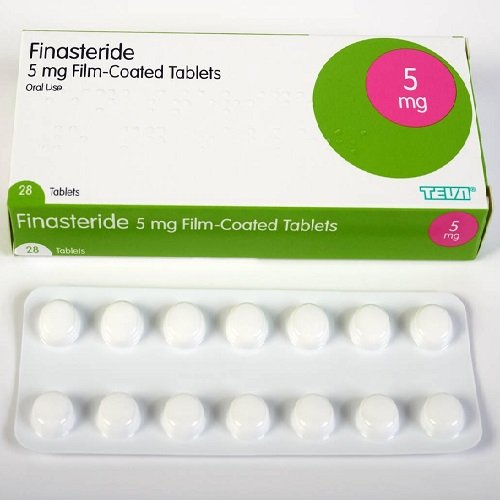
Finasteride 1/5mg


Price range: €120.00 through €820.00
Finasteride 1 mg and 5 mg are effective prescription medicines used to treat male pattern hair loss and benign prostatic hyperplasia. By lowering DHT levels, finasteride helps preserve hair growth and improve urinary symptoms caused by an enlarged prostate. Because the medicine works gradually, consistent daily use and regular follow-up with a healthcare provider are important for achieving the best results. Always take finasteride exactly as prescribed and discuss any side effects or concerns with your healthcare professional.
Finasteride 1 mg & 5 mg: Uses, Dosage, Side Effects, Safety, and Frequently Asked Questions
What Is Finasteride 1 mg & 5 mg?
Finasteride is a prescription medicine used to treat male pattern hair loss (androgenetic alopecia) and benign prostatic hyperplasia (BPH), also known as an enlarged prostate. It belongs to a class of medicines called 5-alpha reductase inhibitors.
Finasteride works by reducing the production of dihydrotestosterone (DHT), a hormone derived from testosterone. High levels of DHT contribute to hair follicle shrinkage in male pattern baldness and enlargement of the prostate gland.
Finasteride is available in two common strengths:
- Finasteride 1 mg – primarily used to treat male pattern hair loss.
- Finasteride 5 mg – primarily used to treat benign prostatic hyperplasia (BPH).
How Finasteride Works
The body converts testosterone into DHT through an enzyme called 5-alpha reductase.
Finasteride works by:
- Blocking the 5-alpha reductase enzyme.
- Reducing DHT production.
- Slowing hair follicle shrinkage.
- Helping preserve existing hair.
- Reducing the size of an enlarged prostate.
- Improving urinary symptoms associated with BPH.
Because hormonal changes occur gradually, it may take several months before noticeable benefits appear.
Finasteride Uses
Finasteride 1 mg for Male Pattern Hair Loss
Finasteride 1 mg is approved for treating male pattern baldness in adult men.
It may help:
- Slow ongoing hair loss.
- Increase hair growth in some individuals.
- Improve hair density.
- Maintain existing hair.
It is most effective for hair loss at the crown and middle of the scalp and is generally not used for receding hairlines alone.
Finasteride 5 mg for Benign Prostatic Hyperplasia (BPH)
Finasteride 5 mg is prescribed to treat benign prostatic hyperplasia, a non-cancerous enlargement of the prostate.
It may help:
- Improve urine flow.
- Reduce frequent urination.
- Decrease nighttime urination.
- Reduce difficulty starting urination.
- Lower the risk of urinary retention.
- Reduce the likelihood of needing prostate surgery.
Benefits of Finasteride
When taken as prescribed, finasteride may help:
- Slow or reduce male pattern hair loss.
- Promote hair regrowth in suitable candidates.
- Improve symptoms of an enlarged prostate.
- Reduce prostate size over time.
- Improve urinary flow.
- Lower the risk of urinary complications related to BPH.
Finasteride Dosage
The appropriate dose depends on the condition being treated.
Finasteride 1 mg
Typically prescribed:
- 1 mg once daily for male pattern hair loss.
Finasteride 5 mg
Typically prescribed:
- 5 mg once daily for benign prostatic hyperplasia.
General guidance:
- Take exactly as prescribed.
- Take the tablet at the same time each day.
- It may be taken with or without food.
- Continue treatment even if improvements are not immediately noticeable.
For hair loss, treatment often needs to continue for 3 to 6 months or longer before noticeable results occur.
How to Take Finasteride
For best results:
- Swallow the tablet whole with water.
- Do not crush or split tablets unless advised by your healthcare provider.
- Take the medicine consistently every day.
- Continue treatment as recommended to maintain its benefits.
Stopping treatment may result in the gradual return of hair loss or worsening of prostate symptoms over time.
Missed Dose
If you miss a dose:
- Take it as soon as you remember.
- Skip the missed dose if it is nearly time for your next dose.
- Do not take two doses together.
Common Side Effects
Most people tolerate finasteride well.
Possible side effects include:
- Reduced sex drive (decreased libido)
- Difficulty achieving or maintaining an erection
- Reduced volume of ejaculation
- Breast tenderness
- Breast enlargement (rare)
- Mild rash
Many people experience no side effects, and some side effects may improve after stopping treatment.
Serious Side Effects
Seek immediate medical attention if you experience:
- Swelling of the face, lips, tongue, or throat
- Difficulty breathing
- Severe allergic reaction
- Breast lumps
- Nipple discharge
- Persistent breast pain
- Symptoms of depression or significant mood changes
Although uncommon, these symptoms require prompt medical evaluation.
Safety Information
Before taking finasteride, tell your healthcare provider if you have:
- Liver disease
- Prostate cancer
- Difficulty emptying your bladder
- A history of allergic reactions to finasteride
- Any breast changes
Women who are pregnant or may become pregnant should not handle crushed or broken finasteride tablets, as the medicine may affect the normal development of a male fetus. Intact tablets have a protective coating and are generally safe to handle.
Drug Interactions
Finasteride has relatively few significant drug interactions but always tell your healthcare provider if you take:
- Prescription medicines
- Over-the-counter medicines
- Vitamins
- Herbal supplements
Keeping your healthcare provider informed helps ensure safe treatment.
Monitoring During Treatment
For people taking finasteride for BPH, healthcare providers may monitor:
- Urinary symptoms
- Prostate size
- Blood levels of prostate-specific antigen (PSA)
Finasteride can lower PSA levels, so healthcare professionals need to know you are taking it when interpreting test results.
Pregnancy and Breastfeeding
Finasteride is not intended for use in women.
Pregnant women should avoid exposure to crushed or broken tablets because the active ingredient can be absorbed through the skin and may harm a developing male fetus.
Storage
Store finasteride:
- At room temperature.
- Away from heat and moisture.
- In the original packaging.
- Out of reach of children.
Do not use after the expiry date.
Frequently Asked Questions (FAQs)
What is Finasteride 1 mg used for?
Finasteride 1 mg is used to treat male pattern hair loss in adult men.
What is Finasteride 5 mg used for?
Finasteride 5 mg is used to treat benign prostatic hyperplasia (enlarged prostate).
How long does finasteride take to work?
For hair loss, noticeable improvements usually take 3 to 6 months, while improvement in prostate symptoms may also take several months.
Does finasteride regrow hair?
Finasteride may help regrow hair in some men and is often more effective at slowing further hair loss than restoring lost hair.
Will hair loss return if I stop taking finasteride?
Yes. Hair loss usually resumes gradually within several months after treatment is discontinued.
Can finasteride affect sexual function?
Some people experience reduced libido, erectile dysfunction, or changes in ejaculation while taking finasteride. These effects are generally uncommon and may improve after stopping treatment.
Can women take finasteride?
Finasteride is generally not prescribed for women, particularly during pregnancy, because of the risk to a developing male fetus.
Does finasteride affect PSA blood tests?
Yes. Finasteride lowers PSA levels, so healthcare providers must know you are taking it when interpreting PSA results.
Can I take finasteride with food?
Yes. Finasteride may be taken with or without food.
What happens if I take too much finasteride?
Taking more than the prescribed dose is unlikely to improve results and may increase the risk of side effects. Seek medical advice if an overdose is suspected.
Final Thoughts
Finasteride 1 mg and 5 mg are effective prescription medicines used to treat male pattern hair loss and benign prostatic hyperplasia. By lowering DHT levels, finasteride helps preserve hair growth and improve urinary symptoms caused by an enlarged prostate. Because the medicine works gradually, consistent daily use and regular follow-up with a healthcare provider are important for achieving the best results. Always take finasteride exactly as prescribed and discuss any side effects or concerns with your healthcare professional.
Medical Disclaimer: This article is for educational and informational purposes only and should not replace professional medical advice, diagnosis, or treatment. Always consult a qualified healthcare professional before starting, stopping, or changing any medication.
| Quantity | 30 Pills, 60 Pills, 120 Pills, 180 Pills, 200 Pills, 250 Pills, 300 Pills, 400 Pills, 500 Pills |
|---|
Be the first to review “Finasteride 1/5mg”
Related products
Drugs
Drugs
Drugs
Drugs
Drugs
Drugs
Drugs
Drugs
Reviews
There are no reviews yet.