
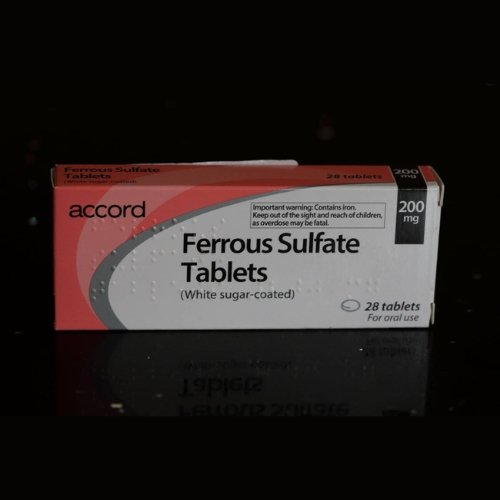
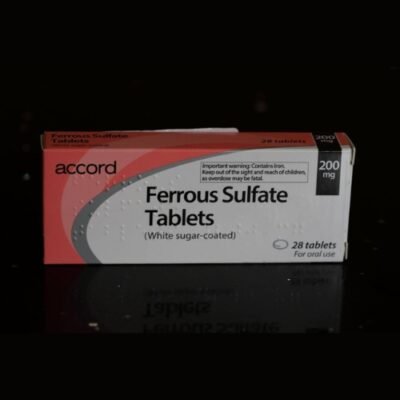
Ferrous sulfate 200mg
Price range: €120.00 through €780.00
Ferrous Sulfate 200 mg is an effective and widely used iron supplement for preventing and treating iron deficiency and iron deficiency anaemia. By replenishing iron stores and supporting healthy red blood cell production, it helps improve energy, reduce fatigue, and restore normal oxygen transport throughout the body. To achieve the best results, take ferrous sulfate exactly as prescribed, follow dietary advice to maximise iron absorption, and attend any recommended blood tests to monitor your progress.
Ferrous Sulfate 200 mg: Uses, Dosage, Side Effects, Safety, and Frequently Asked Questions
What Is Ferrous Sulfate 200 mg?
Ferrous Sulfate 200 mg is an oral iron supplement used to prevent and treat iron deficiency and iron deficiency anaemia. Iron is an essential mineral that helps the body produce haemoglobin, the protein in red blood cells responsible for carrying oxygen from the lungs to tissues throughout the body.
When iron levels become too low, the body cannot produce enough healthy red blood cells, leading to iron deficiency anaemia. Ferrous sulfate helps restore the body’s iron stores, improve haemoglobin production, and relieve symptoms associated with iron deficiency.
A 200 mg ferrous sulfate tablet typically contains approximately 65 mg of elemental iron, although the exact amount may vary depending on the manufacturer.
How Ferrous Sulfate Works
Iron is essential for many important bodily functions, including:
- Production of haemoglobin.
- Formation of healthy red blood cells.
- Oxygen transport throughout the body.
- Energy production.
- Normal immune system function.
Ferrous sulfate works by:
- Replacing depleted iron stores.
- Increasing haemoglobin production.
- Supporting the formation of new red blood cells.
- Improving oxygen delivery to organs and tissues.
Because it takes time for the body to produce new red blood cells, treatment usually continues for several months after haemoglobin levels return to normal.
Ferrous Sulfate 200 mg Uses
Iron Deficiency Anaemia
Ferrous sulfate is most commonly prescribed to treat iron deficiency anaemia caused by inadequate iron levels.
Symptoms of iron deficiency anaemia may include:
- Fatigue
- Weakness
- Pale skin
- Shortness of breath
- Dizziness
- Headaches
- Poor concentration
- Cold hands and feet
Prevention of Iron Deficiency
Ferrous sulfate may also be recommended for people at increased risk of developing iron deficiency, including:
- Pregnant women
- People with heavy menstrual bleeding
- Individuals recovering from surgery or blood loss
- People with digestive disorders that reduce iron absorption
- Individuals with diets low in iron
Recovery After Blood Loss
Iron supplementation may be prescribed following:
- Major surgery
- Injury
- Gastrointestinal bleeding
- Heavy menstrual periods
to help restore iron stores and support recovery.
Benefits of Ferrous Sulfate 200 mg
When taken as prescribed, ferrous sulfate may help:
- Correct iron deficiency.
- Increase haemoglobin levels.
- Improve energy and reduce fatigue.
- Restore healthy iron stores.
- Support normal oxygen transport.
- Improve exercise tolerance.
- Promote healthy red blood cell production.
Ferrous Sulfate 200 mg Dosage
The correct dosage depends on:
- The severity of iron deficiency.
- Blood test results.
- Age.
- Medical history.
- Individual response to treatment.
General guidance:
- Take exactly as prescribed.
- Continue treatment for the full recommended duration.
- Your healthcare provider may monitor haemoglobin and iron levels with blood tests.
Treatment often continues for 3 to 6 months after haemoglobin levels normalize to replenish the body’s iron stores.
How to Take Ferrous Sulfate 200 mg
For best absorption:
- Swallow the tablet whole with water.
- Iron is absorbed best on an empty stomach, but it may be taken with food if stomach upset occurs.
- Avoid taking it with tea, coffee, milk, calcium supplements, or antacids, as these can reduce iron absorption.
- Taking the tablet with a source of vitamin C, such as orange juice, may improve absorption.
Always follow your healthcare provider’s instructions.
Missed Dose
If you miss a dose:
- Take it as soon as you remember.
- Skip the missed dose if it is almost time for your next scheduled dose.
- Do not take two doses together.
Common Side Effects
Common side effects include:
- Constipation
- Diarrhoea
- Nausea
- Stomach discomfort
- Heartburn
- Vomiting
- Metallic taste
- Dark or black stools
Dark stools are a normal and expected effect of iron supplementation.
Serious Side Effects
Seek immediate medical attention if you experience:
- Severe allergic reaction
- Severe abdominal pain
- Vomiting blood
- Difficulty breathing
- Swelling of the face, lips, tongue, or throat
- Signs of iron overdose
Iron overdose can be particularly dangerous in children and requires immediate emergency treatment.
Safety Information
Before taking ferrous sulfate, tell your healthcare provider if you have:
- Haemochromatosis (iron overload)
- Other iron storage disorders
- Stomach ulcers
- Inflammatory bowel disease
- Liver disease
- Previous allergic reactions to iron supplements
Iron supplements should only be used when recommended by a healthcare provider or when iron deficiency has been confirmed.
Drug Interactions
Ferrous sulfate may interact with:
- Antacids
- Calcium supplements
- Levothyroxine
- Certain antibiotics (including tetracyclines and fluoroquinolones)
- Bisphosphonates
- Penicillamine
- Zinc supplements
Your healthcare provider may advise spacing these medicines several hours apart to reduce interactions.
Diet and Iron Absorption
Foods rich in iron include:
- Lean red meat
- Poultry
- Fish
- Lentils
- Beans
- Spinach
- Fortified cereals
Vitamin C-rich foods may improve iron absorption, while tea, coffee, dairy products, and high-calcium foods may reduce absorption if consumed at the same time.
Pregnancy and Breastfeeding
Ferrous sulfate is commonly prescribed during pregnancy to prevent or treat iron deficiency.
It is generally considered safe during breastfeeding when taken as directed.
Always consult your healthcare provider before starting or continuing iron supplements during pregnancy or while breastfeeding.
Storage
Store ferrous sulfate:
- At room temperature.
- Away from moisture and heat.
- In the original packaging.
- Out of sight and reach of children.
Do not use after the expiry date.
Frequently Asked Questions (FAQs)
What is Ferrous Sulfate 200 mg used for?
Ferrous sulfate 200 mg is used to prevent and treat iron deficiency and iron deficiency anaemia.
Is ferrous sulfate an iron supplement?
Yes. Ferrous sulfate is one of the most commonly prescribed oral iron supplements.
How long does ferrous sulfate take to work?
Some people notice improved energy within a few weeks, but restoring iron stores often requires several months of treatment.
Why does ferrous sulfate cause black stools?
Black or dark stools are a normal and harmless side effect of iron supplements.
Can I take ferrous sulfate with food?
Yes. Although it is best absorbed on an empty stomach, taking it with food may reduce stomach irritation.
Can vitamin C improve iron absorption?
Yes. Vitamin C can help increase the body’s absorption of iron.
Should I avoid tea or coffee when taking ferrous sulfate?
Yes. Tea and coffee may reduce iron absorption and are best avoided around the time you take your supplement.
Can ferrous sulfate cause constipation?
Yes. Constipation is one of the most common side effects of oral iron supplements.
Do I need blood tests during treatment?
Yes. Your healthcare provider may monitor haemoglobin and iron levels to ensure treatment is working effectively.
What happens if I take too much ferrous sulfate?
Iron overdose can be very serious, especially in children. Symptoms may include severe stomach pain, vomiting, diarrhoea, drowsiness, and confusion. Seek emergency medical attention immediately if an overdose is suspected.
Final Thoughts
Ferrous Sulfate 200 mg is an effective and widely used iron supplement for preventing and treating iron deficiency and iron deficiency anaemia. By replenishing iron stores and supporting healthy red blood cell production, it helps improve energy, reduce fatigue, and restore normal oxygen transport throughout the body. To achieve the best results, take ferrous sulfate exactly as prescribed, follow dietary advice to maximise iron absorption, and attend any recommended blood tests to monitor your progress.
Medical Disclaimer: This article is for educational and informational purposes only and should not replace professional medical advice, diagnosis, or treatment. Always consult a qualified healthcare professional before starting, stopping, or changing any medication.
| Quantity | 30 Pills, 60 Pills, 120 Pills, 180 Pills, 200 Pills, 250 Pills, 300 Pills, 400 Pills, 500 Pills |
|---|
Be the first to review “Ferrous sulfate 200mg”
Related products
Drugs
Drugs
Drugs

Drugs
Drugs
Drugs
Drugs
Drugs
Reviews
There are no reviews yet.