
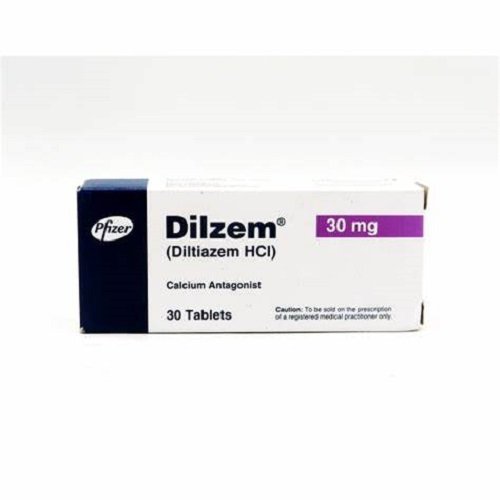
Diltiazem 30mg
Price range: €120.00 through €820.00
Diltiazem 30 mg is a calcium channel blocker used to manage high blood pressure, angina, and certain heart rhythm problems. By relaxing blood vessels and affecting heart activity, it helps improve circulation and reduce strain on the heart. Because it can interact with other medicines and affect heart rate, it should be taken exactly as prescribed with appropriate medical monitoring.
Diltiazem 30 mg: Uses, Dosage, Side Effects, Safety, and Frequently Asked Questions
What Is Diltiazem 30 mg?
Diltiazem 30 mg is a prescription medicine that belongs to a group of medicines called calcium channel blockers. It is mainly used to treat high blood pressure, certain heart rhythm problems, and chest pain caused by reduced blood flow to the heart.
Diltiazem works by relaxing blood vessels and affecting the movement of calcium in heart and blood vessel cells. This helps the heart work more efficiently and improves blood circulation.
It is available in immediate-release and modified-release formulations. The dosing schedule depends on the specific product prescribed.
How Diltiazem Works
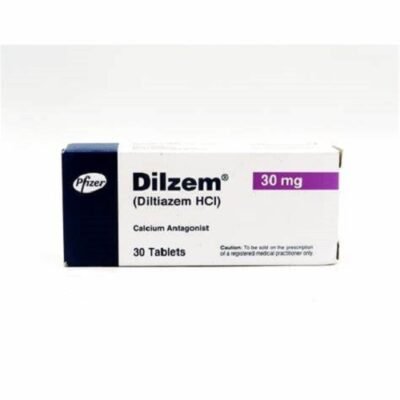
Diltiazem blocks calcium from entering certain cells in the heart and blood vessels.
This causes:
- Relaxation and widening of blood vessels.
- Reduced pressure against which the heart pumps.
- Slower heart rate in some patients.
- Reduced workload on the heart.
- Improved blood supply to heart muscle.
These effects help control blood pressure, chest pain, and some abnormal heart rhythms.
Diltiazem 30 mg Uses
Diltiazem 30 mg may be prescribed for several cardiovascular conditions.
High Blood Pressure (Hypertension)
Diltiazem helps lower blood pressure by relaxing blood vessels, allowing blood to flow more easily.
Lowering blood pressure can reduce the risk of complications such as:
- Stroke
- Heart disease
- Kidney problems
Angina (Chest Pain)
Diltiazem may be used to prevent and manage angina, which occurs when the heart muscle does not receive enough oxygen-rich blood.
It may help:
- Reduce chest pain episodes.
- Improve exercise tolerance.
- Reduce strain on the heart.
Heart Rhythm Problems
Diltiazem may be used for certain fast or irregular heart rhythms, including some cases of:
- Atrial fibrillation
- Atrial flutter
- Rapid heart rate conditions
It can help slow the heart rate and improve rhythm control.
Other Uses
In some cases, healthcare professionals may prescribe diltiazem for other conditions, such as certain circulation-related disorders, when medically appropriate.
Benefits of Diltiazem 30 mg
When prescribed correctly, diltiazem may help:
- Lower high blood pressure.
- Reduce chest pain caused by angina.
- Improve blood flow through relaxed arteries.
- Control certain fast heart rhythms.
- Reduce the workload placed on the heart.
Available Forms and Strengths
Diltiazem is available in several forms, including:
- Immediate-release tablets
- Modified-release tablets or capsules
- Extended-release formulations
Strengths vary depending on the formulation, and 30 mg tablets are commonly used for immediate-release dosing.
Always follow the instructions for the specific product prescribed.
Diltiazem 30 mg Dosage
The correct dose depends on:
- The condition being treated.
- Age.
- Heart rate and blood pressure.
- Other medicines being taken.
- Response to treatment.
General guidance:
- Take exactly as prescribed.
- Do not change the dose without medical advice.
- Take doses at the recommended times.
- Regular blood pressure and heart monitoring may be required.
How to Take Diltiazem 30 mg
For safe use:
- Swallow tablets with water.
- Take doses consistently at the same time each day.
- Follow instructions about food if provided.
- Do not stop suddenly without medical advice, especially if taking it for heart conditions.
If using a modified-release product, do not crush or chew the tablet unless specifically instructed.
Missed Dose
If you miss a dose:
- Take it when you remember unless it is close to your next dose.
- Skip the missed dose if the next dose is due soon.
- Do not take two doses together.
Common Side Effects
Common side effects of diltiazem may include:
- Headache
- Dizziness
- Tiredness
- Flushing
- Slow heartbeat
- Swollen ankles or feet
- Nausea
- Constipation
Many side effects improve as the body adjusts to treatment.
Serious Side Effects
Seek urgent medical advice if you experience:
- Very slow heartbeat
- Fainting
- Severe dizziness
- Chest pain that worsens
- Shortness of breath
- Signs of an allergic reaction
- Severe swelling
Safety Information
Before taking diltiazem, tell your healthcare provider if you have:
- Heart failure
- Slow heartbeat
- Heart rhythm problems
- Low blood pressure
- Liver disease
- Kidney disease
- Previous allergic reactions to calcium channel blockers
Your doctor may monitor:
- Blood pressure
- Heart rate
- Heart rhythm
- Liver function when appropriate
Drug Interactions
Diltiazem can interact with several medicines, including:
- Beta-blockers
- Certain heart rhythm medicines
- Digoxin
- Some cholesterol-lowering medicines (statins)
- Certain antibiotics
- Some antifungal medicines
- Medicines used for seizures
- Other blood pressure medicines
Always tell your healthcare provider about all prescription medicines, over-the-counter products, vitamins, and herbal supplements you take.
Alcohol and Diltiazem
Alcohol may increase some side effects, such as:
- Dizziness
- Light-headedness
- Low blood pressure
Discuss alcohol use with your healthcare provider.
Pregnancy and Breastfeeding
If you are pregnant, planning pregnancy, or breastfeeding, speak with your healthcare provider before taking diltiazem.
Your doctor will decide whether the medicine is appropriate based on your individual situation.
Storage
Store diltiazem:
- At room temperature.
- Away from moisture and direct sunlight.
- In the original packaging.
- Out of reach of children.
Do not use after the expiry date.
Frequently Asked Questions (FAQs)
What is Diltiazem 30 mg used for?
Diltiazem 30 mg is used to treat high blood pressure, angina (chest pain), and certain heart rhythm problems.
Is diltiazem a beta blocker?
No. Diltiazem is a calcium channel blocker. It works differently from beta blockers but can also affect heart rate.
Does diltiazem lower blood pressure?
Yes. Diltiazem lowers blood pressure by relaxing and widening blood vessels.
Does diltiazem slow the heart rate?
Yes. Diltiazem can slow the heart rate in some people, which is helpful for certain rhythm problems.
How long does diltiazem take to work?
The timing varies depending on the condition and formulation. Blood pressure effects may develop gradually with regular use.
Can I stop taking diltiazem suddenly?
Do not stop diltiazem without medical advice, especially if it is being used for angina or heart rhythm control.
Does diltiazem cause ankle swelling?
Yes. Swelling of the ankles or feet can occur because calcium channel blockers may affect blood vessel pressure.
Can I take diltiazem with other blood pressure medicines?
Sometimes diltiazem is combined with other blood pressure medicines, but this should only be done under medical supervision.
Can diltiazem affect heart rhythm?
Yes. It can influence heart rate and rhythm, which is why monitoring may be needed in some patients.
What happens if I take too much diltiazem?
Taking too much may cause dangerously low blood pressure, slow heartbeat, dizziness, or other serious effects. Seek urgent medical help if an overdose is suspected.
Final Thoughts
Diltiazem 30 mg is a calcium channel blocker used to manage high blood pressure, angina, and certain heart rhythm problems. By relaxing blood vessels and affecting heart activity, it helps improve circulation and reduce strain on the heart. Because it can interact with other medicines and affect heart rate, it should be taken exactly as prescribed with appropriate medical monitoring.
Medical Disclaimer: This article is for educational and informational purposes only and should not replace professional medical advice, diagnosis, or treatment. Always consult a qualified healthcare professional before starting, stopping, or changing any medication.
| Quantity | 30 Pills, 60 Pills, 120 Pills, 180 Pills, 200 Pills, 250 Pills, 300 Pills, 400 Pills, 500 Pills |
|---|
Be the first to review “Diltiazem 30mg”
Related products

Drugs
Drugs
Drugs
Drugs
Drugs
Drugs
Drugs
Reviews
There are no reviews yet.