
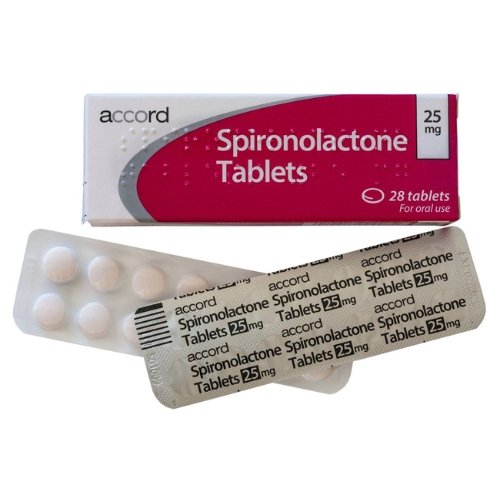


Spironolactone 25 mg: Uses, Dosage, Side Effects, Safety, and Frequently Asked Questions
What Is Spironolactone 25 mg?
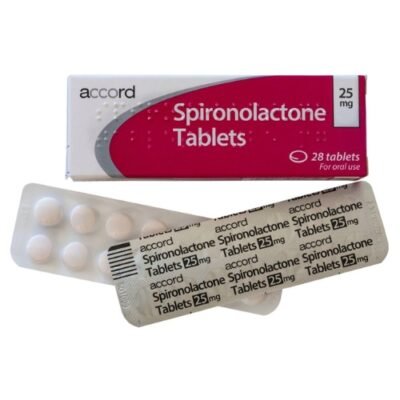
Spironolactone 25 mg is a prescription medication that belongs to a group of medicines called potassium-sparing diuretics and aldosterone antagonists.
It helps the body remove excess fluid while preventing too much potassium loss. Spironolactone works by blocking the hormone aldosterone, which controls salt and water balance in the body.
It is available in strengths including:
- 25 mg tablets
- 50 mg tablets
- 100 mg tablets
How Spironolactone Works
Aldosterone causes the kidneys to retain sodium and water while removing potassium.
Spironolactone blocks aldosterone, which helps:
- Increase removal of excess salt and water.
- Reduce fluid buildup.
- Lower blood pressure in some patients.
- Protect the heart in certain conditions.
- Maintain potassium levels.
Spironolactone 25 mg Uses
Spironolactone may be prescribed for:
Heart Failure
It may help:
- Reduce fluid buildup.
- Improve symptoms such as swelling and breathlessness.
- Support heart function in certain types of heart failure.
High Blood Pressure (Hypertension)
Spironolactone may be used when blood pressure is difficult to control, often alongside other medicines.
Fluid Retention (Edema)
It may help reduce swelling caused by:
- Heart failure.
- Liver disease.
- Certain kidney conditions.
Primary Hyperaldosteronism
Spironolactone may help treat conditions where the body produces too much aldosterone.
Hormonal Conditions
In some cases, it may be prescribed for conditions involving excess androgen activity, such as certain hormone-related symptoms.
Benefits of Spironolactone 25 mg
When used as prescribed, Spironolactone may help:
- Reduce swelling caused by fluid retention.
- Improve symptoms of heart failure.
- Lower blood pressure.
- Reduce the effects of excess aldosterone.
- Maintain potassium balance.
Spironolactone 25 mg Dosage
The correct dose depends on:
- The condition being treated.
- Kidney function.
- Potassium levels.
- Other medications.
- Individual response.
General guidance:
- Take exactly as prescribed.
- Doses may be adjusted gradually.
- Regular blood tests may be needed to monitor potassium and kidney function.
How to Take Spironolactone
For best results:
- Take as directed by your healthcare provider.
- It may be taken with or without food.
- Taking it earlier in the day may reduce nighttime urination.
- Avoid potassium supplements unless advised by your healthcare provider.
Missed Dose
If you miss a dose:
- Take it when you remember.
- If it is close to your next scheduled dose, skip the missed dose.
- Do not take two doses together.
Common Side Effects
Common side effects may include:
- Increased urination.
- Dizziness.
- Nausea.
- Stomach discomfort.
- Diarrhea.
- Breast tenderness.
- Menstrual changes.
- Tiredness.
Serious Side Effects
Seek medical attention if you experience:
- Signs of high potassium levels, such as muscle weakness, unusual heartbeat, or severe tiredness.
- Severe dizziness or fainting.
- Severe allergic reactions.
- Significant changes in urination.
Safety Information
Before taking Spironolactone, tell your healthcare provider if you have:
- Kidney disease.
- High potassium levels.
- Addison’s disease.
- Liver disease.
- Diabetes.
- Heart problems.
- Pregnancy or plans to become pregnant.
- Breastfeeding.
Your healthcare provider may monitor:
- Blood potassium levels.
- Kidney function.
- Blood pressure.
Drug Interactions
Spironolactone may interact with:
- ACE inhibitors (such as ramipril or lisinopril).
- Angiotensin receptor blockers (ARBs).
- Potassium supplements.
- Other potassium-sparing diuretics.
- Certain anti-inflammatory medicines (NSAIDs).
- Some blood pressure medicines.
- Digoxin.
- Lithium.
Always tell your healthcare provider about all medicines, vitamins, and supplements you take.
Alcohol and Spironolactone
Alcohol may increase:
- Dizziness.
- Low blood pressure.
- Risk of dehydration.
Use caution and discuss alcohol use with your healthcare provider.
Pregnancy and Breastfeeding
If you are pregnant, planning pregnancy, or breastfeeding:
- Discuss Spironolactone use with your healthcare provider.
- Your provider will determine whether it is appropriate for your condition.
Storage
Store Spironolactone tablets:
- At room temperature.
- Away from moisture and heat.
- In the original packaging.
- Out of reach of children.
Frequently Asked Questions (FAQs)
What is Spironolactone 25 mg used for?
Spironolactone 25 mg is used for heart failure, high blood pressure, fluid retention, excess aldosterone conditions, and some hormone-related conditions.
Is Spironolactone a water pill?
Yes. It is a diuretic, but unlike many water pills, it helps retain potassium.
Does Spironolactone lower blood pressure?
Yes. It can help lower blood pressure, especially in certain types of difficult-to-control hypertension.
Does Spironolactone cause increased urination?
Yes. Increased urination is one of its intended effects.
Can Spironolactone cause high potassium?
Yes. High potassium levels are a possible side effect, especially in people with kidney problems or those taking certain medicines.
How long does Spironolactone take to work?
Some effects may occur within days, while benefits for certain conditions may take weeks.
Can men and women take Spironolactone?
Yes. It may be prescribed for both men and women depending on the medical condition.
Can older adults take Spironolactone?
Yes, but older adults may require closer monitoring because kidney function and potassium levels can change with age.
What happens if I take too much Spironolactone?
Taking too much may cause dehydration, low blood pressure, electrolyte problems, or high potassium. Seek medical advice if an overdose is suspected.
Can I stop Spironolactone suddenly?
Do not stop without medical advice, especially if it is being used for heart failure or blood pressure control.
Final Thoughts
Spironolactone 25 mg is a potassium-sparing diuretic used to manage conditions involving fluid retention, heart failure, blood pressure, and excess aldosterone. It can be effective but requires monitoring of kidney function and potassium levels.
Take Spironolactone exactly as prescribed and consult your healthcare provider before making any changes to your treatment.
Medical Disclaimer: This article is for educational and informational purposes only and should not replace professional medical advice, diagnosis, or treatment. Always consult a qualified healthcare professional before starting, stopping, or changing any medication.
| Quantity | 30 Pills, 60 Pills, 120 Pills, 180 Pills, 200 Pills, 250 Pills, 300 Pills, 400 Pills, 500 Pills |
|---|
Be the first to review “Spironolactone 25mg”
Related products

Drugs
Drugs
Drugs
Drugs
Drugs

Drugs

Drugs
Reviews
There are no reviews yet.