
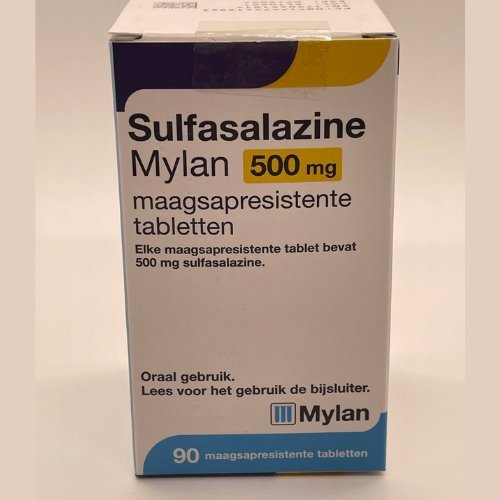
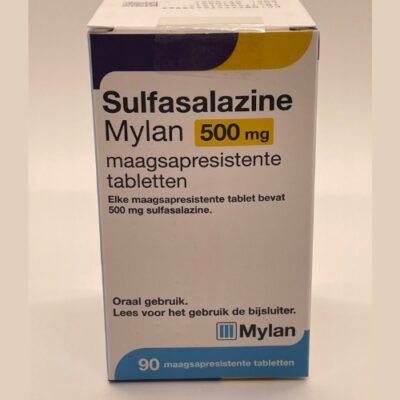
Sulfasalazine 500 mg: Uses, Dosage, Side Effects, Safety, and Frequently Asked Questions
What Is Sulfasalazine 500 mg?
Sulfasalazine 500 mg is a prescription anti-inflammatory medication used mainly to treat inflammatory bowel disease (IBD) and rheumatoid arthritis.
It belongs to a group of medicines called disease-modifying antirheumatic drugs (DMARDs) and also has anti-inflammatory properties.
Sulfasalazine is made from two components:
- 5-aminosalicylic acid (5-ASA/mesalazine-related compound), which helps reduce inflammation in the bowel.
- Sulfapyridine, which contributes to its effects in inflammatory joint conditions.
How Sulfasalazine Works
Sulfasalazine helps reduce inflammation by affecting immune system activity and decreasing the production of inflammatory chemicals.
It may:
- Reduce inflammation in the intestines.
- Reduce swelling and pain in joints.
- Slow progression of certain inflammatory joint diseases.
Sulfasalazine 500 mg Uses
Inflammatory Bowel Disease (IBD)
Sulfasalazine may be used for:
Ulcerative Colitis
It can help:
- Reduce inflammation in the colon.
- Control flare-ups.
- Maintain remission in some patients.
Crohn’s Disease
It may be used in selected cases, particularly when inflammation affects the colon.
Rheumatoid Arthritis
Sulfasalazine may help:
- Reduce joint swelling.
- Relieve pain and stiffness.
- Improve physical function.
- Slow joint damage progression.
Benefits of Sulfasalazine 500 mg
When used as prescribed, Sulfasalazine may help:
- Control inflammatory symptoms.
- Reduce bowel inflammation.
- Improve joint symptoms.
- Reduce the need for other anti-inflammatory treatments in some patients.
Sulfasalazine 500 mg Dosage
The dose depends on:
- The condition being treated.
- Severity of symptoms.
- Age.
- Response to treatment.
- Other medicines being used.
General guidance:
- Treatment is often started at a lower dose and increased gradually.
- Take exactly as prescribed.
- Regular blood tests may be required during treatment.
How to Take Sulfasalazine
For best results:
- Take tablets with water.
- Taking with food may help reduce stomach upset.
- Follow your healthcare provider’s instructions.
- Do not crush or split tablets unless advised.
Drink adequate fluids unless your healthcare provider has advised otherwise.
Missed Dose
If you miss a dose:
- Take it when you remember.
- If it is close to your next dose, skip the missed dose.
- Do not double the dose.
Common Side Effects
Common side effects may include:
- Nausea.
- Loss of appetite.
- Stomach discomfort.
- Headache.
- Orange-yellow discoloration of urine or skin fluids.
- Dizziness.
Serious Side Effects
Seek medical advice promptly if you experience:
- Fever, sore throat, or signs of infection.
- Unusual bruising or bleeding.
- Yellowing of the skin or eyes.
- Severe skin rash.
- Persistent abdominal pain.
- Severe tiredness or weakness.
Sulfasalazine can rarely affect blood cells or liver function, so monitoring is important.
Safety Information
Before taking Sulfasalazine, tell your healthcare provider if you have:
- Allergy to sulfa medicines or salicylates (such as aspirin).
- Liver disease.
- Kidney disease.
- Blood disorders.
- Intestinal obstruction.
- Pregnancy or plans to become pregnant.
- Breastfeeding.
Your healthcare provider may recommend regular monitoring of:
- Blood counts.
- Liver function.
- Kidney function.
Drug Interactions
Sulfasalazine may interact with:
- Warfarin and other blood thinners.
- Digoxin.
- Folic acid supplements.
- Certain antibiotics.
- Some medicines affecting bone marrow or blood cells.
Always inform your healthcare provider about all prescription medicines, over-the-counter medicines, vitamins, and supplements you take.
Alcohol and Sulfasalazine
Alcohol may increase the risk of:
- Stomach irritation.
- Liver problems.
Discuss alcohol use with your healthcare provider, especially if you have liver concerns.
Pregnancy and Breastfeeding
If you are pregnant, planning pregnancy, or breastfeeding:
- Discuss Sulfasalazine use with your healthcare provider.
- Folic acid supplementation may be recommended in some patients.
- Your provider will assess the benefits and possible risks.
Storage
Store Sulfasalazine tablets:
- At room temperature.
- Away from moisture and heat.
- In the original packaging.
- Out of reach of children.
Frequently Asked Questions (FAQs)
What is Sulfasalazine 500 mg used for?
Sulfasalazine 500 mg is used to treat inflammatory bowel disease, including ulcerative colitis, and inflammatory arthritis such as rheumatoid arthritis.
Is Sulfasalazine a steroid?
No. Sulfasalazine is not a steroid. It is an anti-inflammatory medicine and DMARD.
How long does Sulfasalazine take to work?
For bowel inflammation, improvement may occur over weeks. For rheumatoid arthritis, benefits may take several weeks to months.
Can Sulfasalazine cure rheumatoid arthritis?
No. It does not cure rheumatoid arthritis, but it can help control symptoms and slow disease progression.
Does Sulfasalazine weaken the immune system?
It affects immune activity, but it is not considered the same type of strong immune-suppressing medicine as some other treatments.
Can Sulfasalazine cause urine discoloration?
Yes. Orange-yellow discoloration of urine or body fluids can occur and is usually harmless.
Can children take Sulfasalazine?
Yes, Sulfasalazine may be prescribed for some children with inflammatory conditions under specialist supervision.
Can older adults take Sulfasalazine?
Yes, but older adults may need closer monitoring because of increased sensitivity to side effects.
What happens if I take too much Sulfasalazine?
An overdose may cause nausea, vomiting, dizziness, or more serious effects. Seek medical advice if too much is taken.
Can Sulfasalazine be stopped suddenly?
Stopping may cause symptoms to return. Discuss any changes with your healthcare provider before stopping treatment.
Final Thoughts
Sulfasalazine 500 mg is an important medication used for inflammatory bowel disease and inflammatory arthritis. It works by reducing inflammation and modifying immune activity.
For safe and effective treatment, take Sulfasalazine exactly as prescribed and attend recommended blood tests to monitor your response and safety.
Medical Disclaimer: This article is for educational and informational purposes only and should not replace professional medical advice, diagnosis, or treatment. Always consult a qualified healthcare professional before starting, stopping, or changing any medication.
| Quantity | 30 Pills, 60 Pills, 120 Pills, 180 Pills, 200 Pills, 250 Pills, 300 Pills, 400 Pills, 500 Pills |
|---|
Be the first to review “Sulfasalazine 500mg”
Related products

Drugs
Drugs
Drugs
Drugs
Drugs
Drugs
Drugs
Reviews
There are no reviews yet.