
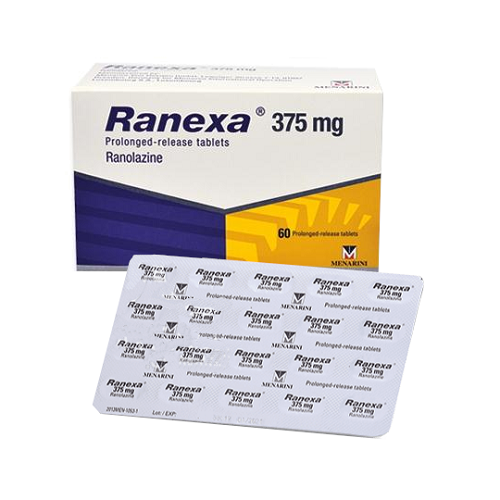
Ranexa 375 mg (Ranolazine): Uses, Dosage, Side Effects, Safety, and Frequently Asked Questions
What Is Ranexa 375 mg?
Ranexa 375 mg contains the active ingredient ranolazine, a prescription medication used to help treat chronic stable angina (chest pain caused by reduced blood flow to the heart).
Ranexa belongs to a class of medicines called anti-anginal agents. It works differently from many other heart medicines because it does not primarily lower heart rate or blood pressure. Instead, it helps improve the efficiency of heart muscle cells and reduces the frequency of angina symptoms.
Ranexa is available in extended-release tablets, including:
- 375 mg tablets
- 500 mg tablets
- 750 mg tablets
How Ranexa Works
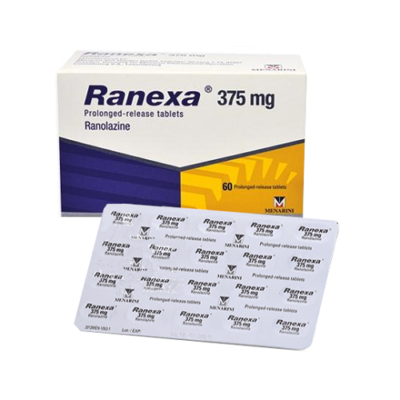
During angina, reduced blood flow to the heart can cause the heart muscle to use energy inefficiently.
Ranolazine works by affecting sodium movement in heart cells, which may help:
- Improve energy use in the heart muscle.
- Reduce stress on heart cells.
- Decrease the frequency of angina episodes.
- Improve exercise tolerance in some people.
Ranexa does not treat an active heart attack and should not be used as a replacement for emergency treatment of severe chest pain.
Ranexa 375 mg Uses
Ranexa may be prescribed for:
Chronic Stable Angina
A condition where reduced blood supply to the heart causes:
- Chest discomfort or pressure.
- Shortness of breath during activity.
- Reduced exercise ability.
Ranexa is usually used along with other heart medicines when additional symptom control is needed.
Benefits of Ranexa 375 mg
When taken as prescribed, Ranexa may help:
- Reduce the frequency of angina attacks.
- Improve ability to perform physical activities.
- Reduce symptoms of chronic chest pain.
- Provide additional control when other anti-anginal medicines are not enough.
Ranexa 375 mg Dosage
The usual starting dose may be:
- 375 mg twice daily
The dose may be adjusted by a healthcare provider depending on:
- Symptom control.
- Side effects.
- Kidney and liver function.
- Other medicines being taken.
General guidance:
- Take exactly as prescribed.
- Swallow extended-release tablets whole.
- Do not crush, chew, or break the tablets.
How to Take Ranexa
For best results:
- Take the tablet at the same times each day.
- Swallow whole with water.
- It may be taken with or without food.
- Avoid grapefruit or grapefruit juice unless your healthcare provider says it is safe, as it may affect medication levels.
Missed Dose
If you miss a dose:
- Take the next scheduled dose at the usual time.
- Do not double the dose to make up for a missed tablet.
Common Side Effects
Common side effects may include:
- Dizziness.
- Headache.
- Constipation.
- Nausea.
- Weakness.
- Tiredness.
These effects may improve as the body adjusts to treatment.
Serious Side Effects
Seek urgent medical attention if you experience:
- Fainting.
- Fast or irregular heartbeat.
- Severe dizziness.
- Signs of a serious allergic reaction.
- New or worsening chest pain.
Ranolazine can affect the heart’s electrical activity and may prolong the QT interval in some people, which can increase the risk of certain abnormal heart rhythms.
Safety Information
Before taking Ranexa, tell your healthcare provider if you have:
- Liver disease.
- Kidney disease.
- A history of abnormal heart rhythms.
- A prolonged QT interval.
- Low potassium or magnesium levels.
- Pregnancy or plans to become pregnant.
- Breastfeeding.
Your healthcare provider may monitor your heart rhythm and review your medications for interactions.
Drug Interactions
Ranexa may interact with:
- Certain antifungal medicines (such as ketoconazole and itraconazole).
- Some antibiotics (such as clarithromycin).
- HIV medications.
- Certain heart rhythm medicines.
- Some cholesterol medicines (such as simvastatin).
- Grapefruit or grapefruit juice.
Always tell your healthcare provider about all prescription medicines, over-the-counter products, vitamins, and supplements you take.
Alcohol and Ranexa
Alcohol may increase dizziness or lightheadedness in some people taking Ranexa. Discuss alcohol use with your healthcare provider.
Pregnancy and Breastfeeding
If you are pregnant, planning pregnancy, or breastfeeding:
- Tell your healthcare provider before taking Ranexa.
- Your provider will assess whether the potential benefits outweigh possible risks.
Storage
Store Ranexa tablets:
- At room temperature.
- Away from moisture and heat.
- In the original packaging.
- Out of reach of children.
Frequently Asked Questions (FAQs)
What is Ranexa 375 mg used for?
Ranexa 375 mg is used to treat chronic stable angina and help reduce episodes of chest pain caused by reduced blood flow to the heart.
Is Ranexa a blood thinner?
No. Ranexa is not a blood thinner. It is an anti-anginal medication that helps improve heart muscle function.
Does Ranexa lower blood pressure?
Ranexa usually does not significantly lower blood pressure or heart rate compared with many other heart medicines.
Can Ranexa stop a heart attack?
No. Ranexa does not treat heart attacks. Severe or new chest pain requires urgent medical evaluation.
Can I stop taking Ranexa suddenly?
Do not stop Ranexa without speaking with your healthcare provider, as angina symptoms may return.
Can Ranexa be taken with other heart medicines?
Yes, it is often used alongside other heart medications, but your healthcare provider should check for possible interactions.
Can older adults take Ranexa?
Yes. Ranexa may be used in older adults, but kidney function and possible drug interactions may need monitoring.
What happens if I take too much Ranexa?
An overdose may cause severe dizziness, nausea, vomiting, confusion, or heart rhythm problems. Seek emergency medical help if too much has been taken.
Does Ranexa cure angina?
No. Ranexa helps control angina symptoms but does not cure the underlying coronary artery disease causing reduced blood flow.
How long does Ranexa take to work?
Some people notice improvement after starting treatment, but full benefits may take time and vary between individuals.
Final Thoughts
Ranexa 375 mg (ranolazine) is a prescription medicine used to help manage chronic stable angina by improving the efficiency of heart muscle energy use and reducing chest pain episodes. It is often used alongside other cardiovascular treatments.
Because Ranexa can interact with many medications and may affect heart rhythm in some individuals, it should be taken only under medical supervision. Always follow your prescribed dose and seek urgent care for new, severe, or worsening chest pain.
Medical Disclaimer: This article is for educational and informational purposes only and should not replace professional medical advice, diagnosis, or treatment. Always consult a qualified healthcare professional before starting, stopping, or changing any medication.
| Quantity | 30 Pills, 60 Pills, 120 Pills, 180 Pills, 200 Pills, 250 Pills, 300 Pills, 400 Pills, 500 Pills |
|---|
Be the first to review “Ranexa 375mg”
Related products
Drugs
Drugs
Drugs
Drugs

Drugs
Drugs
Drugs
Drugs
Reviews
There are no reviews yet.