
Remicade 100 mg (Infliximab): Uses, Dosage, Side Effects, Safety, and Frequently Asked Questions
What Is Remicade 100 mg?
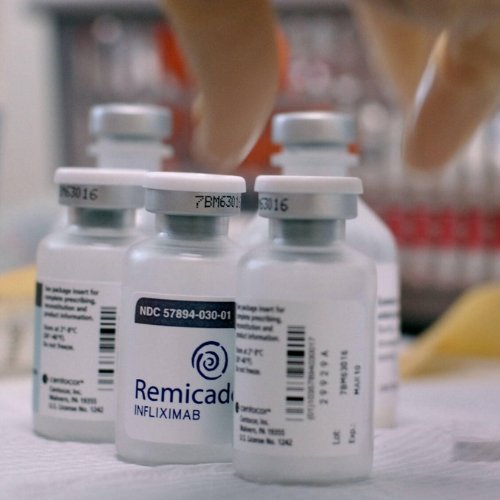
Remicade 100 mg contains the active ingredient infliximab, a prescription biologic medication used to treat several inflammatory and autoimmune conditions. It belongs to a class of medicines called tumor necrosis factor (TNF) blockers.
Remicade works by reducing the activity of tumor necrosis factor-alpha (TNF-α), a substance in the body that contributes to inflammation.
Remicade is supplied as:
- 100 mg powder for concentrate for intravenous (IV) infusion
It is administered by a healthcare professional through an IV infusion.
How Remicade Works
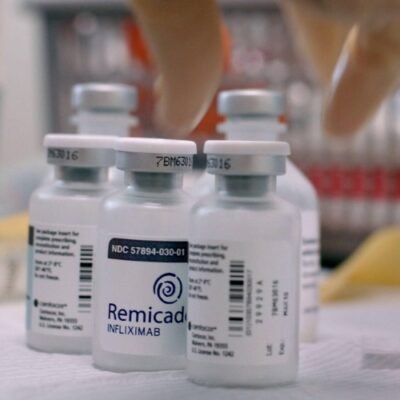
Infliximab is a monoclonal antibody that targets TNF-alpha, a protein involved in immune system activity and inflammation.
By blocking TNF-alpha, Remicade may help:
- Reduce excessive inflammation.
- Decrease immune system overactivity.
- Improve symptoms caused by inflammatory diseases.
- Help prevent tissue damage associated with chronic inflammation.
Remicade 100 mg Uses
Remicade may be prescribed for:
Rheumatoid Arthritis
Used with other medicines (such as methotrexate) to help:
- Reduce joint inflammation.
- Improve physical function.
- Slow joint damage.
Crohn’s Disease
May help:
- Reduce intestinal inflammation.
- Improve symptoms such as abdominal pain and diarrhea.
- Maintain remission in some patients.
Ulcerative Colitis
Used to:
- Reduce inflammation in the colon.
- Control symptoms.
- Help maintain remission.
Ankylosing Spondylitis
May help reduce:
- Spinal inflammation.
- Pain and stiffness.
Psoriatic Arthritis
May help:
- Reduce joint inflammation.
- Improve arthritis symptoms.
Plaque Psoriasis
May reduce:
- Skin inflammation.
- Psoriasis symptoms in eligible patients.
Benefits of Remicade 100 mg
When used appropriately, Remicade may help:
- Reduce inflammation.
- Improve symptoms and quality of life.
- Reduce disease flare-ups.
- Slow progression of certain inflammatory conditions.
- Help some patients achieve and maintain remission.
Remicade 100 mg Dosage
The dose depends on:
- The condition being treated.
- Body weight.
- Treatment response.
- Other medications being used.
General guidance:
- Remicade is given by IV infusion.
- Treatment schedules vary by condition.
- The first doses are often given during an induction period, followed by maintenance infusions at intervals determined by the healthcare provider.
Do not change infusion schedules without medical advice.
How Remicade Is Given
Remicade is administered:
- Through an intravenous infusion.
- In a clinic, hospital, or infusion center.
- Under medical supervision.
Patients are monitored during and after infusions because infusion reactions can occur.
Missed Dose
If you miss a scheduled infusion:
- Contact your healthcare provider as soon as possible.
- Do not receive extra doses to make up for a missed infusion unless instructed.
Common Side Effects
Common side effects may include:
- Infusion-related reactions.
- Headache.
- Nausea.
- Upper respiratory infections.
- Sinus infections.
- Abdominal pain.
- Fatigue.
- Injection or infusion site discomfort.
Serious Side Effects
Seek urgent medical attention if you experience:
Serious Infections
Remicade can increase the risk of infections, including:
- Tuberculosis (TB).
- Serious bacterial infections.
- Viral or fungal infections.
Symptoms may include:
- Fever.
- Persistent cough.
- Night sweats.
- Unusual fatigue.
Infusion Reactions
Possible reactions during or after infusion may include:
- Rash.
- Chest discomfort.
- Difficulty breathing.
- Fever or chills.
- Dizziness.
Liver Problems
Seek medical advice for:
- Yellowing of the skin or eyes.
- Dark urine.
- Severe fatigue.
Cancer Risk
TNF blockers may be associated with certain rare cancers, particularly in people with additional risk factors. Discuss individual risks with your healthcare provider.
Safety Information
Before receiving Remicade, tell your healthcare provider if you have:
- Current or recent infections.
- Tuberculosis exposure or history.
- Hepatitis B infection.
- Heart failure.
- Nervous system disorders.
- Cancer history.
- Immune system problems.
- Pregnancy or plans to become pregnant.
- Breastfeeding.
Your healthcare provider may perform tests for tuberculosis and hepatitis B before starting treatment.
Drug Interactions
Remicade may interact with:
- Other biologic immune-modifying medicines.
- Certain immunosuppressants.
- Live vaccines.
- Some cancer treatments.
Avoid receiving live vaccines without discussing them with your healthcare provider.
Always provide a complete list of medicines, supplements, and vaccines you have received.
Alcohol and Remicade
Alcohol does not have a direct known interaction with infliximab, but excessive alcohol use may affect overall health and immune function. Discuss alcohol use with your healthcare provider.
Pregnancy and Breastfeeding
If you are pregnant, planning pregnancy, or breastfeeding:
- Discuss Remicade use with your healthcare provider.
- Your doctor will consider the benefits of controlling inflammatory disease against possible risks.
Storage
Remicade must be:
- Stored under controlled refrigerated conditions.
- Prepared and administered by healthcare professionals.
- Protected according to manufacturer instructions.
Frequently Asked Questions (FAQs)
What is Remicade 100 mg used for?
Remicade 100 mg is used to treat inflammatory conditions such as Crohn’s disease, ulcerative colitis, rheumatoid arthritis, psoriatic arthritis, ankylosing spondylitis, and plaque psoriasis.
Is Remicade chemotherapy?
No. Remicade is not chemotherapy. It is a biologic immune-targeting medication that reduces inflammation by blocking TNF-alpha.
How is Remicade given?
Remicade is given as an intravenous infusion by a healthcare professional.
How long does a Remicade infusion take?
Infusion times vary, but many infusions take several hours depending on the treatment plan and monitoring requirements.
Does Remicade weaken the immune system?
Yes. Because Remicade reduces immune system activity, it may increase the risk of certain infections.
Can Remicade cure Crohn’s disease or ulcerative colitis?
No. Remicade does not cure these conditions, but it can help control inflammation and symptoms and may help maintain remission.
Can I stop Remicade suddenly?
Do not stop treatment without medical advice. Your condition may become active again if treatment is stopped.
Can children receive Remicade?
Yes. Remicade may be prescribed for certain children with specific inflammatory conditions under specialist medical supervision.
What happens if I miss a Remicade infusion?
Contact your healthcare provider to reschedule. Your treatment plan may need adjustment.
How long does Remicade take to work?
Some patients notice improvement within weeks, while others may require several infusions before seeing maximum benefit.
Final Thoughts
Remicade 100 mg (infliximab) is a powerful biologic medication used to control inflammation in several autoimmune and inflammatory diseases. By blocking TNF-alpha, it can help reduce symptoms, improve quality of life, and prevent disease complications.
Because Remicade affects immune system function, careful medical monitoring is essential. Patients should attend scheduled infusions, complete recommended screening tests, and report signs of infection or serious side effects promptly.
Medical Disclaimer: This article is for educational and informational purposes only and should not replace professional medical advice, diagnosis, or treatment. Always consult a qualified healthcare professional before starting, stopping, or changing any medication.
| Quantity | 30 Pills, 60 Pills, 120 Pills, 180 Pills, 200 Pills, 250 Pills, 300 Pills, 400 Pills, 500 Pills |
|---|
Be the first to review “Remicade 100mg”
Related products
Drugs

Drugs

Drugs
Drugs
Drugs
Drugs
Drugs
Reviews
There are no reviews yet.