
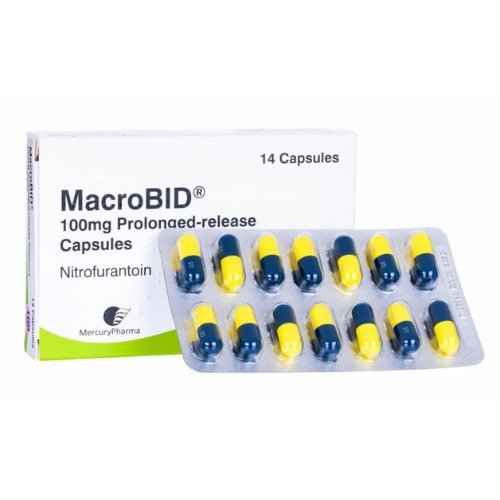
Macrobid 100mg

Price range: €120.00 through €820.00
Macrobid 100 mg (nitrofurantoin monohydrate/macrocrystals) is an effective antibiotic for treating uncomplicated urinary tract infections. It works by eliminating bacteria in the bladder and relieving common symptoms such as burning during urination, urgency, and frequent urination.
Macrobid 100 mg: Uses, Dosage, Side Effects, Safety, and Frequently Asked Questions
What Is Macrobid 100 mg?
Macrobid 100 mg is the brand name for nitrofurantoin monohydrate/macrocrystals, a prescription antibiotic used to treat uncomplicated urinary tract infections (UTIs) caused by susceptible bacteria. It works by killing bacteria in the urinary tract and is commonly prescribed for bladder infections (acute cystitis).
Macrobid is designed to release nitrofurantoin gradually, helping maintain effective levels of the medication in the urine while reducing stomach irritation.
Macrobid is available as:
- 100 mg capsules
- Generic nitrofurantoin monohydrate/macrocrystals capsules
It is intended for infections of the lower urinary tract and is not recommended for kidney infections (pyelonephritis) or infections outside the urinary tract.
How Macrobid Works
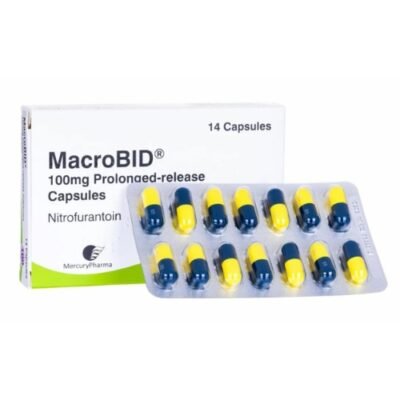
Nitrofurantoin works by interfering with several bacterial processes, including protein, DNA, and cell wall synthesis.
This action helps to:
- Kill bacteria causing urinary tract infections.
- Stop bacterial growth.
- Clear infection from the bladder.
- Relieve symptoms such as burning during urination and frequent urination.
Because nitrofurantoin becomes concentrated in the urine, it is especially effective for treating bladder infections.
Macrobid 100 mg Uses
Acute Uncomplicated Urinary Tract Infection (UTI)
Macrobid is primarily used to treat uncomplicated bladder infections caused by susceptible bacteria.
Common UTI symptoms include:
- Pain or burning during urination.
- Frequent urination.
- Urgent need to urinate.
- Lower abdominal discomfort.
- Cloudy or strong-smelling urine.
Prevention of Recurrent UTIs
In some cases, healthcare providers may prescribe nitrofurantoin to help prevent recurrent urinary tract infections, although different formulations or dosing schedules may be used.
Benefits of Macrobid 100 mg
When taken as prescribed, Macrobid may help:
- Eliminate bacteria causing bladder infections.
- Relieve painful urination.
- Reduce urinary urgency and frequency.
- Prevent infection from worsening.
- Support complete recovery when the full course is completed.
Macrobid 100 mg Dosage
The appropriate dose depends on:
- The type of urinary tract infection.
- Age.
- Kidney function.
- Overall health.
- Response to treatment.
General guidance:
- Take exactly as prescribed by your healthcare provider.
- For uncomplicated UTIs in adults, the usual dose is 100 mg twice daily for 5 days, though the duration may vary depending on individual circumstances.
- Complete the full course, even if symptoms improve before the medication is finished.
How to Take Macrobid 100 mg
For best results:
- Take the capsule with food or milk to improve absorption and reduce stomach upset.
- Swallow the capsule whole with water.
- Take doses at evenly spaced intervals.
- Stay well hydrated unless your healthcare provider advises otherwise.
Do not skip doses, as this may reduce the effectiveness of treatment.
Missed Dose
If you miss a dose:
- Take it as soon as you remember.
- Skip the missed dose if it is nearly time for your next scheduled dose.
- Do not take two doses at the same time.
Common Side Effects
Common side effects may include:
- Nausea.
- Loss of appetite.
- Mild stomach pain.
- Vomiting.
- Headache.
- Diarrhea.
- Dark yellow or brown urine (this is usually harmless).
Many side effects improve after taking the medication with food.
Serious Side Effects
Seek immediate medical attention if you experience:
- Difficulty breathing.
- Chest pain.
- Persistent cough.
- Severe allergic reactions.
- Yellowing of the skin or eyes.
- Numbness or tingling in the hands or feet.
- Severe diarrhea.
- Fever with rash or blistering skin.
Although rare, long-term or repeated use may increase the risk of lung, liver, or nerve problems.
Safety Information
Before taking Macrobid, tell your healthcare provider if you have:
- Kidney disease.
- Liver disease.
- Glucose-6-phosphate dehydrogenase (G6PD) deficiency.
- Diabetes.
- Anemia.
- Lung disease.
- Pregnancy or plans to become pregnant.
- Breastfeeding.
Macrobid is generally not recommended for people with significantly reduced kidney function, as it may not reach effective concentrations in the urine and could increase the risk of side effects.
Drug Interactions
Macrobid may interact with:
- Antacids containing magnesium.
- Probenecid.
- Sulfinpyrazone.
- Certain vaccines (such as oral typhoid vaccine).
Always tell your healthcare provider about all prescription medicines, over-the-counter products, vitamins, and herbal supplements you take.
Food and Alcohol
Macrobid should be taken with food to improve absorption and reduce stomach upset.
There is no specific interaction with alcohol, but drinking alcohol while you have a urinary tract infection may worsen dehydration or make you feel less well. Moderation is generally advised.
Pregnancy and Breastfeeding
If you are pregnant, planning to become pregnant, or breastfeeding:
- Discuss treatment with your healthcare provider before taking Macrobid.
- Nitrofurantoin may be used during certain stages of pregnancy when the benefits outweigh the risks, but it is generally avoided near the time of delivery because of potential risks to the newborn.
Storage
Store Macrobid capsules:
- At room temperature.
- Away from excessive heat and moisture.
- In the original container.
- Out of reach of children.
Do not use after the expiry date.
Frequently Asked Questions (FAQs)
What is Macrobid 100 mg used for?
Macrobid 100 mg is used to treat uncomplicated urinary tract infections (UTIs), especially bladder infections caused by susceptible bacteria.
Is Macrobid the same as nitrofurantoin?
Yes. Macrobid is a brand name for nitrofurantoin monohydrate/macrocrystals.
How quickly does Macrobid work?
Many people begin to notice improvement within 24 to 48 hours, but it is important to complete the full course even if symptoms improve sooner.
Can Macrobid treat kidney infections?
No. Macrobid is not recommended for kidney infections because it does not achieve adequate concentrations in kidney tissue.
Why should I take Macrobid with food?
Taking Macrobid with food improves absorption and helps reduce nausea and stomach upset.
Can I stop taking Macrobid when I feel better?
No. Finish the entire prescribed course to help ensure the infection is fully treated and to reduce the risk of antibiotic resistance.
Can Macrobid change the color of urine?
Yes. It may cause urine to become dark yellow or brown. This is a harmless and temporary effect.
What happens if I take too much Macrobid?
An overdose may cause nausea, vomiting, or other symptoms. Seek medical advice or emergency care immediately if an overdose is suspected.
Can older adults take Macrobid?
Yes, but kidney function should be assessed before prescribing because reduced kidney function can affect the medication’s safety and effectiveness.
Is Macrobid an antibiotic?
Yes. Macrobid is an antibiotic specifically used to treat bacterial urinary tract infections.
Final Thoughts
Macrobid 100 mg (nitrofurantoin monohydrate/macrocrystals) is an effective antibiotic for treating uncomplicated urinary tract infections. It works by eliminating bacteria in the bladder and relieving common symptoms such as burning during urination, urgency, and frequent urination.
For the best results, take Macrobid exactly as prescribed, complete the full course of treatment, drink plenty of fluids unless otherwise advised, and contact your healthcare provider if symptoms worsen, do not improve within a few days, or you develop signs of a kidney infection such as fever, chills, or flank pain.
Medical Disclaimer: This article is for educational and informational purposes only and should not replace professional medical advice, diagnosis, or treatment. Always consult a qualified healthcare professional before starting, stopping, or changing any medication.
| Quantity | 30 Pills, 60 Pills, 120 Pills, 180 Pills, 200 Pills, 250 Pills, 300 Pills, 400 Pills, 500 Pills |
|---|
Be the first to review “Macrobid 100mg”
Related products

Drugs
Drugs

Drugs


Drugs
Drugs

Drugs
Drugs
Reviews
There are no reviews yet.