
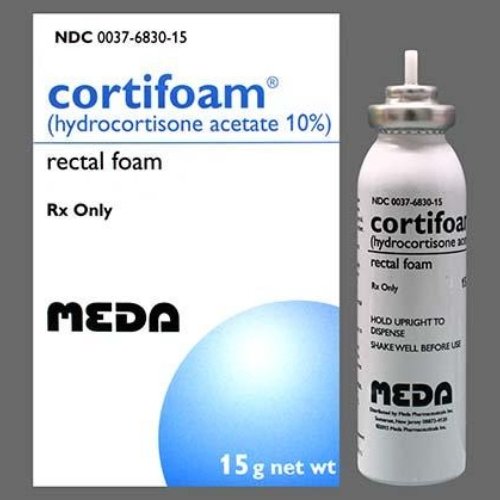
Hydrocortisone rectal foam


€66.00
Hydrocortisone rectal foam is a local corticosteroid treatment used to reduce inflammation in the rectum and lower bowel. It is commonly used for conditions such as ulcerative colitis and proctitis to help control symptoms and improve comfort.
When used correctly and for the recommended duration, it can be an effective treatment option. Because corticosteroids can have important effects when overused, treatment should always follow medical guidance.
Hydrocortisone Rectal Foam: Uses, Dosage, Side Effects, Safety, and Frequently Asked Questions
What Is Hydrocortisone Rectal Foam?
Hydrocortisone rectal foam is a prescription corticosteroid medicine used to reduce inflammation and irritation in the lower bowel and rectal area.
It contains hydrocortisone, a steroid medicine that helps calm overactive immune responses and reduce swelling, redness, and discomfort.
Rectal foam is designed to be applied directly inside the rectum, allowing the medicine to act locally on inflamed tissues.
It is commonly used as part of treatment for inflammatory bowel conditions, especially when symptoms affect the lower part of the colon or rectum.
How Hydrocortisone Rectal Foam Works
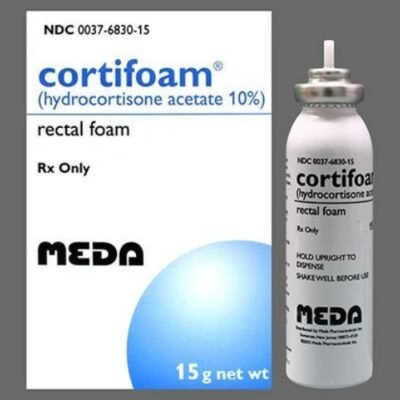
Inflammatory bowel conditions can cause the immune system to become overactive, leading to irritation and swelling of the intestinal lining.
Hydrocortisone works by:
- Reducing inflammation in rectal tissues.
- Suppressing excessive immune activity.
- Decreasing the release of inflammatory chemicals.
- Helping relieve symptoms such as rectal discomfort and urgency.
Because it is applied locally, rectal foam is intended to deliver treatment directly to the affected area.
Hydrocortisone Rectal Foam Uses
Ulcerative Colitis
Hydrocortisone rectal foam is commonly used to help manage inflammation caused by ulcerative colitis, particularly when inflammation affects:
- The rectum.
- The lower colon.
- The left side of the colon.
It may help reduce symptoms such as:
- Rectal inflammation.
- Urgency to pass stool.
- Discomfort.
- Bleeding caused by inflammation.
Proctitis
Hydrocortisone rectal foam may be used for proctitis, which is inflammation of the rectum.
Possible symptoms include:
- Rectal irritation.
- A frequent urge to pass stool.
- Discomfort during bowel movements.
- Mucus or blood in stools.
Other Inflammatory Rectal Conditions
A healthcare professional may prescribe rectal corticosteroids for other conditions involving inflammation of the rectal area when appropriate.
Benefits of Hydrocortisone Rectal Foam
When used correctly, hydrocortisone rectal foam may help:
- Reduce rectal inflammation.
- Ease discomfort and irritation.
- Improve bowel-related symptoms.
- Reduce symptoms during inflammatory bowel disease flare-ups.
- Deliver targeted steroid treatment directly to affected tissues.
Hydrocortisone Rectal Foam Dosage
The dose depends on:
- The specific product strength.
- The condition being treated.
- Severity of inflammation.
- Treatment duration.
- Individual medical needs.
General guidance:
- Use exactly as prescribed.
- Follow the instructions provided with the product.
- Do not use more often or for longer than recommended.
- Complete the treatment course if instructed by your healthcare provider.
Long-term use should only occur under medical supervision because corticosteroids can cause side effects.
How to Use Hydrocortisone Rectal Foam
General steps:
- Wash your hands before use.
- Follow the product instructions for preparing the applicator.
- Apply the foam into the rectum as directed.
- Remove the applicator carefully.
- Wash your hands after application.
Helpful tips:
- Use after a bowel movement if advised.
- Try to remain still for a short time after application.
- Follow storage instructions carefully.
Always use the specific instructions supplied with your medicine.
Missed Dose
If you miss a dose:
- Use it when you remember unless it is close to the next scheduled dose.
- Do not apply extra foam to make up for a missed dose.
Common Side Effects
Possible side effects may include:
- Mild rectal irritation.
- Burning or discomfort after application.
- Gas or bloating.
- Changes in bowel habits.
- Local irritation.
Many people tolerate short-term use well.
Serious Side Effects
Seek medical advice if you experience:
- Signs of infection.
- Severe rectal pain or worsening symptoms.
- Allergic reactions.
- Unusual weakness.
- Significant mood changes.
- Vision problems.
Long-term or excessive corticosteroid use may increase the risk of wider body effects.
Safety Information
Before using hydrocortisone rectal foam, tell your healthcare provider if you have:
- A rectal infection.
- A fungal infection.
- Diabetes.
- High blood pressure.
- Osteoporosis.
- Eye problems such as glaucoma.
- Liver problems.
- A history of steroid sensitivity.
Hydrocortisone may reduce immune activity, which can affect how the body responds to infections.
Drug Interactions
Hydrocortisone rectal foam may interact with:
- Other corticosteroid medicines.
- Medicines that affect steroid breakdown.
- Diabetes medicines.
- Blood thinners.
- Certain antifungal medicines.
- Some immune-suppressing medicines.
Tell your healthcare provider about all medicines, supplements, and herbal products you use.
Alcohol and Hydrocortisone Rectal Foam
There is no major direct interaction between alcohol and rectal hydrocortisone, but alcohol may worsen some bowel symptoms in certain people.
Discuss alcohol use with your healthcare provider if you have inflammatory bowel disease.
Pregnancy and Breastfeeding
If you are pregnant, planning pregnancy, or breastfeeding, speak with your healthcare provider before using hydrocortisone rectal foam.
Your healthcare professional will consider the benefits and possible risks before recommending treatment.
Storage
Store hydrocortisone rectal foam:
- According to the product instructions.
- Away from excessive heat.
- Keep the container closed when not in use.
- Keep out of reach of children.
Some foam products may have specific storage requirements.
Frequently Asked Questions (FAQs)
What is hydrocortisone rectal foam used for?
It is used to reduce inflammation in the rectum and lower bowel, commonly for conditions such as ulcerative colitis and proctitis.
Is hydrocortisone rectal foam a steroid?
Yes. Hydrocortisone is a corticosteroid medicine.
How long does hydrocortisone rectal foam take to work?
Some people notice improvement within days, but the response depends on the severity of inflammation and individual factors.
Can hydrocortisone rectal foam cure ulcerative colitis?
It does not cure ulcerative colitis, but it can help reduce inflammation and control symptoms during flare-ups.
Can hydrocortisone rectal foam be used long term?
Long-term use should only be done under medical supervision because corticosteroids can cause side effects.
Can children use hydrocortisone rectal foam?
Use in children depends on the specific product and medical advice.
Can hydrocortisone rectal foam cause infections?
Because corticosteroids reduce immune activity, they may increase the risk of infections in some people.
Should I stop using it when symptoms improve?
Follow your healthcare provider’s instructions. Stopping treatment too early may allow symptoms to return.
Can hydrocortisone rectal foam be used with other ulcerative colitis medicines?
Sometimes it is used alongside other treatments, but combinations should be discussed with a healthcare professional.
What happens if too much hydrocortisone rectal foam is used?
Using more than recommended may increase the risk of side effects. Contact a healthcare professional for advice if excessive use occurs.
Final Thoughts
Hydrocortisone rectal foam is a local corticosteroid treatment used to reduce inflammation in the rectum and lower bowel. It is commonly used for conditions such as ulcerative colitis and proctitis to help control symptoms and improve comfort.
When used correctly and for the recommended duration, it can be an effective treatment option. Because corticosteroids can have important effects when overused, treatment should always follow medical guidance.
Medical Disclaimer: This article is for educational and informational purposes only and should not replace professional medical advice, diagnosis, or treatment. Always consult a qualified healthcare professional before starting, stopping, or changing any medication.
Be the first to review “Hydrocortisone rectal foam”
Related products

Drugs
Drugs
Drugs

Drugs
Drugs
Drugs
Drugs
Reviews
There are no reviews yet.