
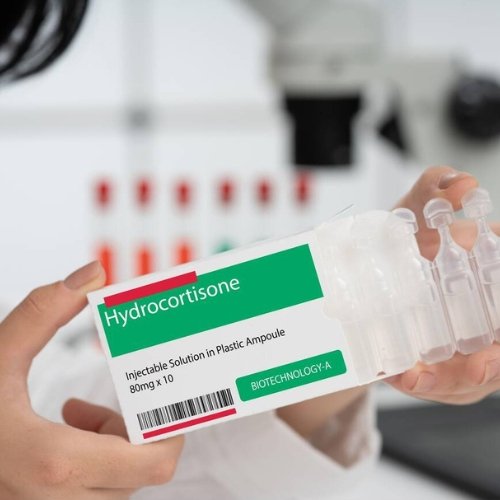
Hydrocortisone injections
Price range: €120.00 through €820.00
Hydrocortisone injections are powerful corticosteroid treatments used for conditions involving inflammation, immune reactions, and low cortisol levels. They can provide important medical benefits when used appropriately, particularly in emergency and specialist settings.
Because injectable steroids can have significant effects throughout the body, they should only be used under the guidance of a qualified healthcare professional with appropriate monitoring.
Hydrocortisone Injections: Uses, Dosage, Side Effects, Safety, and Frequently Asked Questions
What Are Hydrocortisone Injections?
Hydrocortisone injections are prescription medicines containing hydrocortisone, a corticosteroid used to reduce inflammation, control immune reactions, and replace natural steroid hormones when the body does not produce enough.
Hydrocortisone is a synthetic version of cortisol, a hormone normally produced by the adrenal glands. Injectable hydrocortisone may be given in hospitals, clinics, or specialist settings depending on the medical condition being treated.
It may be administered by:
- Intravenous (IV) injection.
- Intramuscular (IM) injection.
- Other medically appropriate routes depending on the formulation.
How Hydrocortisone Injections Work
Inflammation and immune reactions involve the release of chemicals that cause swelling, redness, pain, and tissue irritation.
Hydrocortisone works by:
- Reducing inflammatory responses.
- Suppressing excessive immune system activity.
- Decreasing the release of inflammation-causing substances.
- Helping control allergic and autoimmune reactions.
- Replacing cortisol when the body cannot produce enough.
Hydrocortisone Injection Uses
Severe Allergic Reactions
Hydrocortisone injections may be used as part of medical treatment for severe allergic reactions to help reduce inflammation and immune responses.
Adrenal Insufficiency
Hydrocortisone injections may be used for people whose adrenal glands do not produce enough cortisol.
Examples include:
- Adrenal insufficiency.
- Addison’s disease.
- Adrenal crisis (a medical emergency requiring urgent treatment).
Severe Inflammation
Hydrocortisone injections may be prescribed for serious inflammatory conditions affecting areas such as:
- Joints.
- Skin.
- Airways.
- Other tissues.
Asthma and Severe Respiratory Inflammation
In hospital settings, injectable corticosteroids may be used to help manage severe airway inflammation associated with certain respiratory conditions.
Autoimmune and Immune-Related Conditions
Hydrocortisone injections may be used in some situations where reducing immune activity is medically necessary.
Emergency Medical Treatment
Healthcare professionals may use injectable hydrocortisone during certain emergency situations involving:
- Severe inflammation.
- Hormone deficiency emergencies.
- Serious allergic or immune reactions.
Benefits of Hydrocortisone Injections
When medically appropriate, hydrocortisone injections may help:
- Reduce swelling and inflammation.
- Control excessive immune responses.
- Improve symptoms of steroid-responsive conditions.
- Replace missing cortisol.
- Support the body during adrenal emergencies.
Hydrocortisone Injection Dosage
The dose depends on:
- The condition being treated.
- Severity of symptoms.
- Age and weight.
- Medical history.
- Other medicines being used.
- The route of administration.
General guidance:
- Hydrocortisone injections should only be given as prescribed.
- Doses vary widely between conditions.
- Emergency doses are determined by healthcare professionals.
- Long-term steroid treatment may require gradual dose adjustments.
Do not change or stop steroid treatment without medical advice.
How Hydrocortisone Injection Is Given
Hydrocortisone injections are usually administered by a healthcare professional.
The healthcare provider will determine:
- The correct dose.
- The injection route.
- Treatment duration.
- Monitoring requirements.
Patients receiving repeated or high-dose treatment may require monitoring of:
- Blood pressure.
- Blood glucose.
- Electrolyte levels.
- Signs of infection.
Common Side Effects
Possible side effects may include:
- Increased appetite.
- Mood changes.
- Difficulty sleeping.
- Indigestion.
- Increased blood sugar levels.
- Fluid retention.
- Increased blood pressure.
- Skin changes.
The risk of side effects depends on the dose, duration, and individual health factors.
Serious Side Effects
Seek medical advice if you experience:
- Signs of infection.
- Severe mood or behaviour changes.
- Vision problems.
- Severe stomach pain.
- Unusual swelling.
- Severe weakness.
- Symptoms of adrenal suppression.
Long-term or high-dose corticosteroid use requires medical monitoring.
Safety Information
Before receiving hydrocortisone injections, tell your healthcare provider if you have:
- Diabetes.
- High blood pressure.
- Osteoporosis.
- Stomach ulcers.
- Eye problems such as glaucoma.
- Liver or kidney problems.
- Infections.
- A history of mental health conditions affected by steroids.
Hydrocortisone can affect immune function and may change how the body responds to infections.
Drug Interactions
Hydrocortisone injections may interact with:
- Diabetes medicines.
- Blood thinners.
- Certain antibiotics.
- Antifungal medicines.
- Epilepsy medicines.
- Vaccines.
- Other corticosteroids.
Always tell your healthcare provider about all medicines, supplements, and herbal products you use.
Alcohol and Hydrocortisone
Alcohol may increase the risk of some side effects, such as:
- Stomach irritation.
- Mood changes.
- Difficulty managing blood sugar levels.
Discuss alcohol use with your healthcare provider.
Pregnancy and Breastfeeding
If you are pregnant, planning pregnancy, or breastfeeding, discuss hydrocortisone injections with your healthcare provider.
The decision to use injectable corticosteroids depends on the medical condition and the balance between benefits and potential risks.
Storage
Hydrocortisone injections should be:
- Stored according to manufacturer instructions.
- Protected from unsuitable temperatures.
- Handled by trained healthcare professionals.
Frequently Asked Questions (FAQs)
What are hydrocortisone injections used for?
Hydrocortisone injections are used to reduce inflammation, control immune reactions, and replace cortisol in people who need steroid hormone support.
Is hydrocortisone injection a steroid?
Yes. Hydrocortisone is a corticosteroid medicine.
How quickly does hydrocortisone injection work?
The onset of action depends on the condition being treated, the dose, and the method of administration.
Can hydrocortisone injections increase blood sugar?
Yes. Corticosteroids can raise blood glucose levels, especially in people with diabetes.
Are hydrocortisone injections safe?
When prescribed and monitored by a healthcare professional, hydrocortisone injections can be an effective treatment. Risks depend on dose and duration.
Can hydrocortisone injections be stopped suddenly?
People receiving regular steroid treatment should not stop suddenly without medical advice because the body may need time to adjust.
Can hydrocortisone injections cause weight gain?
Some people may experience increased appetite, fluid retention, or weight changes, especially with longer-term use.
Can hydrocortisone injections weaken immunity?
Yes. Corticosteroids can reduce immune activity, which may increase susceptibility to infections.
Can hydrocortisone injection treat pain?
Hydrocortisone may reduce pain caused by inflammation, but it is not a general painkiller.
What happens if too much hydrocortisone is given?
Excessive steroid exposure may increase the risk of side effects such as increased blood sugar, blood pressure changes, mood changes, and immune suppression. Medical advice should be sought.
Final Thoughts
Hydrocortisone injections are powerful corticosteroid treatments used for conditions involving inflammation, immune reactions, and low cortisol levels. They can provide important medical benefits when used appropriately, particularly in emergency and specialist settings.
Because injectable steroids can have significant effects throughout the body, they should only be used under the guidance of a qualified healthcare professional with appropriate monitoring.
Medical Disclaimer: This article is for educational and informational purposes only and should not replace professional medical advice, diagnosis, or treatment. Always consult a qualified healthcare professional before starting, stopping, or changing any medication.
| Quantity | 30 Pills, 60 Pills, 120 Pills, 180 Pills, 200 Pills, 250 Pills, 300 Pills, 400 Pills, 500 Pills |
|---|
Be the first to review “Hydrocortisone injections”
Related products
Drugs
Drugs
Drugs
Drugs
Drugs
Drugs
Drugs

Drugs
Reviews
There are no reviews yet.