
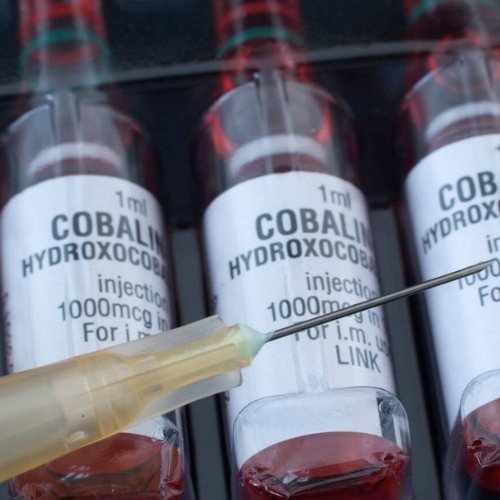
Hydroxocobalamin


Price range: €120.00 through €820.00
Hydroxocobalamin is an effective form of vitamin B12 used to treat and prevent vitamin B12 deficiency, including pernicious anaemia. By restoring healthy vitamin B12 levels, it supports red blood cell production, nerve function, and overall health. Regular monitoring and adherence to your prescribed treatment plan are important, especially if long-term replacement therapy is required.
Hydroxocobalamin: Uses, Dosage, Side Effects, Safety, and Frequently Asked Questions
What Is Hydroxocobalamin?
Hydroxocobalamin is a prescription form of vitamin B12 used to treat and prevent vitamin B12 deficiency. Vitamin B12 is essential for the production of healthy red blood cells, proper nerve function, and DNA synthesis.
Hydroxocobalamin is commonly administered as an intramuscular (IM) injection, although other methods may be used in specific clinical situations. It is often preferred for long-term treatment because it remains in the body longer than some other forms of vitamin B12.
Vitamin B12 deficiency can lead to serious health problems if left untreated, including megaloblastic anaemia, nerve damage, and neurological symptoms.
How Hydroxocobalamin Works
Vitamin B12 is required for many important body functions.
Hydroxocobalamin works by:
- Replacing low vitamin B12 levels.
- Supporting the production of healthy red blood cells.
- Maintaining normal nerve function.
- Assisting DNA synthesis.
- Helping the body convert food into usable energy.
Restoring normal vitamin B12 levels can improve symptoms caused by deficiency and help prevent long-term complications.
Hydroxocobalamin Uses
Vitamin B12 Deficiency
Hydroxocobalamin is primarily used to treat vitamin B12 deficiency caused by:
- Poor dietary intake.
- Malabsorption disorders.
- Certain stomach or intestinal conditions.
- Long-term medication use affecting vitamin B12 absorption.
- Pernicious anaemia.
Pernicious Anaemia
Hydroxocobalamin is commonly prescribed for pernicious anaemia, an autoimmune condition in which the body cannot absorb enough vitamin B12 from food due to a lack of intrinsic factor.
People with pernicious anaemia often require lifelong vitamin B12 replacement therapy.
Prevention of Vitamin B12 Deficiency
Healthcare providers may recommend hydroxocobalamin to help prevent deficiency in people at increased risk, such as those with certain gastrointestinal conditions or after some types of gastrointestinal surgery.
Cyanide Poisoning (Specialist Use)
In emergency medicine, a specific formulation of hydroxocobalamin may be used as an antidote for cyanide poisoning. This use requires immediate specialist medical care and differs from the formulations used to treat vitamin B12 deficiency.
Benefits of Hydroxocobalamin
When used appropriately, hydroxocobalamin may help:
- Correct vitamin B12 deficiency.
- Treat megaloblastic anaemia caused by B12 deficiency.
- Improve red blood cell production.
- Support healthy nerve function.
- Reduce symptoms related to vitamin B12 deficiency.
- Prevent long-term complications of untreated deficiency.
Hydroxocobalamin Dosage
The appropriate dose depends on:
- The reason for treatment.
- Severity of vitamin B12 deficiency.
- Age.
- Medical history.
- Response to therapy.
General guidance:
- Use only as prescribed.
- Injections are usually given by a healthcare professional.
- Some people may require regular maintenance injections, particularly if the underlying cause of deficiency persists.
Do not change your treatment schedule without medical advice.
How Hydroxocobalamin Is Administered
Hydroxocobalamin is most commonly given by intramuscular injection.
The healthcare provider will determine:
- The correct dose.
- How often injections are needed.
- The duration of treatment.
- Whether ongoing maintenance therapy is required.
Blood tests may be used to monitor your response to treatment.
Common Side Effects
Hydroxocobalamin is generally well tolerated. Possible side effects include:
- Pain or redness at the injection site.
- Mild itching.
- Skin rash.
- Headache.
- Nausea.
- Diarrhoea.
- Temporary dizziness.
Many side effects are mild and resolve without treatment.
Serious Side Effects
Seek medical attention immediately if you experience:
- Signs of a severe allergic reaction.
- Difficulty breathing.
- Swelling of the face, lips, tongue, or throat.
- Severe skin reactions.
- Persistent or worsening symptoms despite treatment.
Although serious allergic reactions are uncommon, they require urgent medical care.
Symptoms of Vitamin B12 Deficiency
People with vitamin B12 deficiency may experience:
- Fatigue.
- Weakness.
- Pale skin.
- Shortness of breath.
- Tingling or numbness in the hands and feet.
- Difficulty walking.
- Memory or concentration problems.
- Mood changes.
Early diagnosis and treatment can help prevent permanent nerve damage.
Safety Information
Before receiving hydroxocobalamin, tell your healthcare provider if you have:
- A known allergy to vitamin B12 preparations.
- Kidney disease.
- Liver disease.
- An inherited eye condition such as Leber’s hereditary optic neuropathy.
- Low potassium levels.
- Other blood disorders.
Regular monitoring may be recommended during treatment.
Drug Interactions
Hydroxocobalamin may interact with certain medicines or affect some laboratory test results.
Tell your healthcare provider if you take:
- Antibiotics.
- Certain medicines that affect vitamin absorption.
- Folic acid supplements.
- Any vitamin or mineral supplements.
Always provide a complete list of your medications and supplements.
Pregnancy and Breastfeeding
Hydroxocobalamin may be prescribed during pregnancy or breastfeeding when vitamin B12 replacement is needed.
Your healthcare provider will determine the most appropriate treatment based on your individual needs.
Storage
Hydroxocobalamin injections should be:
- Stored according to the manufacturer’s instructions.
- Protected from excessive heat and light.
- Kept out of reach of children.
- Used before the expiry date.
Healthcare facilities generally store injectable preparations under appropriate conditions.
Frequently Asked Questions (FAQs)
What is hydroxocobalamin used for?
Hydroxocobalamin is mainly used to treat and prevent vitamin B12 deficiency and pernicious anaemia. A specialised formulation is also used in hospitals as an antidote for cyanide poisoning.
Is hydroxocobalamin the same as vitamin B12?
Yes. Hydroxocobalamin is a form of vitamin B12 used for medical treatment.
How often are hydroxocobalamin injections given?
The frequency depends on the cause and severity of the deficiency. Some people need only a short course, while others require regular maintenance injections.
How quickly does hydroxocobalamin work?
Many people begin to feel improvement within days to weeks, although recovery of nerve symptoms may take longer.
Can hydroxocobalamin be taken by mouth?
Hydroxocobalamin is most commonly given by injection. Some people may instead use other oral forms of vitamin B12, depending on the cause of their deficiency.
Can hydroxocobalamin cause side effects?
Yes, but side effects are usually mild. Injection site reactions and headaches are among the more common effects.
Can vitamin B12 deficiency return?
Yes. If the underlying cause remains, such as pernicious anaemia or poor absorption, ongoing treatment may be necessary.
Is hydroxocobalamin safe during pregnancy?
It may be used when vitamin B12 replacement is medically indicated. Your healthcare provider will advise you based on your individual circumstances.
Can hydroxocobalamin improve nerve symptoms?
Treating vitamin B12 deficiency can help improve nerve-related symptoms, particularly when treatment begins early.
What happens if I miss a hydroxocobalamin injection?
Contact your healthcare provider to arrange another appointment. Do not change your treatment schedule without medical advice.
Medical Disclaimer: This article is for educational and informational purposes only and should not replace professional medical advice, diagnosis, or treatment. Always consult a qualified healthcare professional before starting, stopping, or changing any medication.
| Quantity | 30 Pills, 60 Pills, 120 Pills, 180 Pills, 200 Pills, 250 Pills, 300 Pills, 400 Pills, 500 Pills |
|---|
Be the first to review “Hydroxocobalamin”
Related products
Drugs
Drugs
Drugs
Drugs
Drugs
Drugs
Drugs
Drugs
Reviews
There are no reviews yet.