

Calcipotriol 120 g: Uses, Dosage, Side Effects, Safety, and Frequently Asked Questions
Calcipotriol 120 g: Uses, Dosage, Side Effects & Safety Guide
Learn about Calcipotriol 120 g, including its uses for plaque psoriasis, dosage guidance, side effects, safety precautions, drug interactions, and frequently asked questions.
Calcipotriol 120 g: Everything You Need to Know
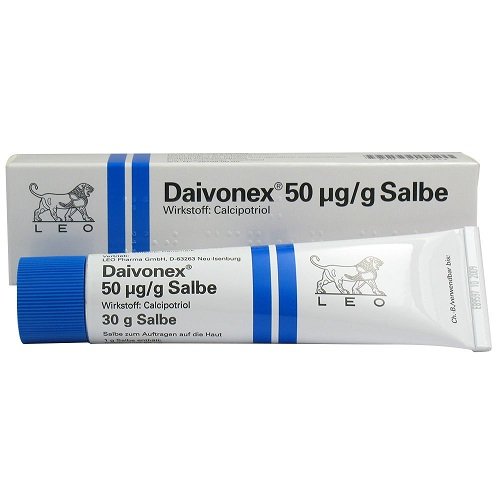
Calcipotriol 120 g is a prescription vitamin D analogue used to treat plaque psoriasis, a chronic skin condition that causes red, thickened, and scaly patches. Calcipotriol helps slow the rapid growth of skin cells, reducing scaling, redness, and plaque thickness.
Calcipotriol is available in several topical formulations, including creams, ointments, scalp solutions, foams, and gels. A 120 g pack size is commonly prescribed for patients who require treatment over larger areas of affected skin or for ongoing management under the supervision of a healthcare provider.
What Is Calcipotriol 120 g?
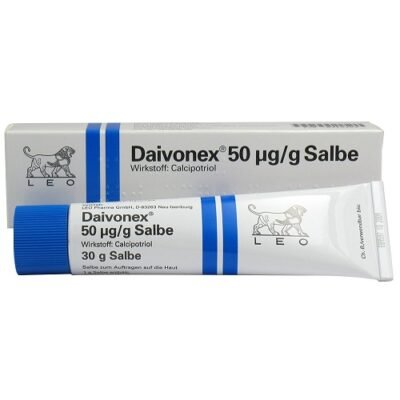
Calcipotriol (also known as calcipotriene in some countries) is a synthetic form of vitamin D designed for topical use.
It is available as:
- Cream
- Ointment
- Gel
- Foam
- Scalp solution
The 120 g pack refers to the total quantity of the topical medication rather than its strength.
Approved Medical Uses
Healthcare providers prescribe Calcipotriol for:
- Plaque psoriasis
- Chronic stable psoriasis
- Mild to moderate psoriasis affecting the body
- Scalp psoriasis (specific formulations)
It may also be prescribed in combination with a topical corticosteroid to improve treatment outcomes.
How Does Calcipotriol Work?
Calcipotriol works by regulating the growth and development of skin cells.
It helps:
- Slow excessive skin cell production
- Reduce plaque formation
- Decrease scaling
- Relieve redness
- Improve skin appearance
- Reduce inflammation associated with psoriasis
Improvements are often seen after several weeks of regular treatment.
How Should Calcipotriol Be Used?
Always use Calcipotriol exactly as prescribed.
General recommendations include:
- Apply a thin layer to the affected areas.
- Rub in gently until absorbed.
- Wash your hands after application unless treating the hands.
- Avoid contact with the eyes, mouth, and face unless directed.
- Do not apply to infected or severely damaged skin unless advised.
- Continue treatment for the full prescribed duration.
Avoid using more than the recommended weekly amount unless instructed by your healthcare provider.
Dosage Information
The amount applied depends on:
- Severity of psoriasis
- Area being treated
- Formulation used
Typical adult dosing (general guidance)
- Apply once or twice daily as directed.
- Many products recommend not exceeding 100 g per week of calcipotriol-containing medication to reduce the risk of elevated calcium levels.
Important note
The 120 g package size does not mean that the entire amount should be used at once. Follow your healthcare provider’s instructions regarding how much to apply.
Common Side Effects
Most side effects are mild and occur where the medication is applied.
Common side effects include:
- Skin irritation
- Burning sensation
- Itching
- Redness
- Dry skin
- Peeling
- Mild rash
These symptoms often improve as treatment continues.
Serious Safety Warnings
Although uncommon, serious side effects may occur.
Potential risks include:
- Severe allergic reactions
- Worsening psoriasis
- Elevated blood calcium levels (hypercalcemia), especially if excessive amounts are used
- Severe skin irritation
Seek immediate medical attention if you develop swelling of the face or throat, difficulty breathing, or signs of a severe allergic reaction.
Important Precautions
Before using Calcipotriol, tell your healthcare provider if you have:
- Disorders affecting calcium metabolism
- Kidney disease
- Liver disease
- Severe psoriasis requiring systemic treatment
- Pregnancy or breastfeeding considerations
Avoid excessive exposure to natural sunlight or artificial UV therapy unless advised by your healthcare provider.
Drug Interactions
Calcipotriol has relatively few drug interactions when used as directed.
Inform your healthcare provider about all:
- Prescription medications
- Over-the-counter medicines
- Vitamins
- Herbal supplements
- Other psoriasis treatments
Particular caution is required when using:
- Other vitamin D products
- Calcium supplements
- Topical corticosteroids (unless prescribed together)
- Phototherapy
Monitoring During Treatment
Healthcare providers may monitor:
- Improvement in psoriasis symptoms
- Skin irritation
- Treatment response
- Blood calcium levels in selected patients using large quantities
- Overall skin health
Regular follow-up appointments help ensure safe and effective treatment.
Safe Storage
Store Calcipotriol according to the product labeling.
General recommendations include:
- Keep the medication in its original container.
- Store at room temperature.
- Protect from excessive heat and direct sunlight.
- Do not freeze unless specified by the manufacturer.
- Keep out of the reach of children and pets.
- Do not use after the expiration date.
Frequently Asked Questions
What is Calcipotriol 120 g used for?
Calcipotriol 120 g is used to treat plaque psoriasis by slowing excessive skin cell growth and reducing scaling, redness, and plaque thickness.
Is Calcipotriol a steroid?
No. Calcipotriol is a vitamin D analogue and is not a corticosteroid.
How long does Calcipotriol take to work?
Many people notice improvement within 2 to 4 weeks, although maximum benefit may take up to 8 weeks of regular treatment.
What are the most common side effects?
Common side effects include skin irritation, itching, burning, redness, dryness, and peeling at the application site.
Can Calcipotriol be used with steroid creams?
Yes. Healthcare providers often prescribe Calcipotriol together with topical corticosteroids to improve psoriasis control while minimizing steroid exposure.
Can I use Calcipotriol on my face?
Calcipotriol is generally not recommended for use on the face unless specifically instructed by your healthcare provider, as facial skin is more sensitive to irritation.
Can I use Calcipotriol long term?
Many patients use Calcipotriol for long-term psoriasis management under medical supervision. Your healthcare provider will determine the most appropriate treatment plan.
Conclusion
Calcipotriol 120 g is an effective topical vitamin D analogue used to manage plaque psoriasis by slowing abnormal skin cell growth and reducing inflammation. It can significantly improve scaling, redness, and plaque thickness when used consistently as prescribed.
For the safest and most effective treatment, apply only the recommended amount, avoid exceeding the advised weekly dosage, and attend regular follow-up appointments with your healthcare provider. If significant skin irritation or unusual symptoms occur, seek medical advice promptly.
Calcipotriol 120 g, Calcipotriol, calcipotriene, Calcipotriol uses, Calcipotriol dosage, Calcipotriol side effects, plaque psoriasis treatment, psoriasis cream, vitamin D analogue, topical psoriasis medication, psoriasis ointment, scalp psoriasis treatment, chronic psoriasis management, prescription psoriasis medicine, Calcipotriol safety, Calcipotriol FAQs, psoriasis skin treatment, vitamin D skin cream, Calcipotriol 120 g cream, psoriasis medication guide.
Be the first to review “Calcipotriol 120g”
Related products
Drugs

Drugs

Drugs
Drugs
Drugs
Drugs

Drugs
Drugs
Reviews
There are no reviews yet.