
Betamethasone for Eyes, Ears and Nose: Uses, Dosage, Side Effects, Safety, and Frequently Asked Questions
Learn about betamethasone for the eyes, ears, and nose, including its medical uses, dosage guidance, side effects, safety precautions, drug interactions, and frequently asked questions.
Betamethasone for Eyes, Ears and Nose: Everything You Need to Know
Betamethasone for the eyes, ears, and nose is a prescription corticosteroid medication used to reduce inflammation, redness, swelling, itching, and irritation affecting these sensitive areas. It is available in several formulations, including eye drops, eye ointments, ear drops, and nasal drops, depending on the condition being treated.
Betamethasone works by suppressing the body’s inflammatory response, helping relieve symptoms caused by allergies, autoimmune conditions, or inflammation following surgery or injury. Because corticosteroids can increase the risk of infections or mask underlying disease, these products should only be used under the supervision of a healthcare professional.
This guide explains what betamethasone for the eyes, ears, and nose is, how it works, its approved uses, dosage guidance, possible side effects, safety information, and answers to frequently asked questions.
What Is Betamethasone for Eyes, Ears and Nose?
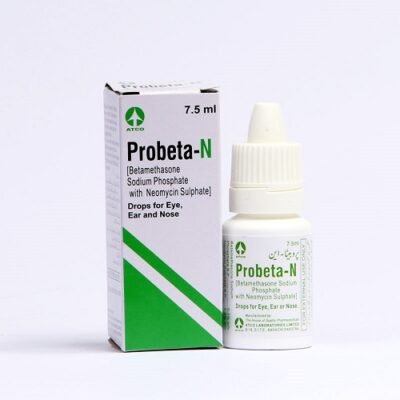
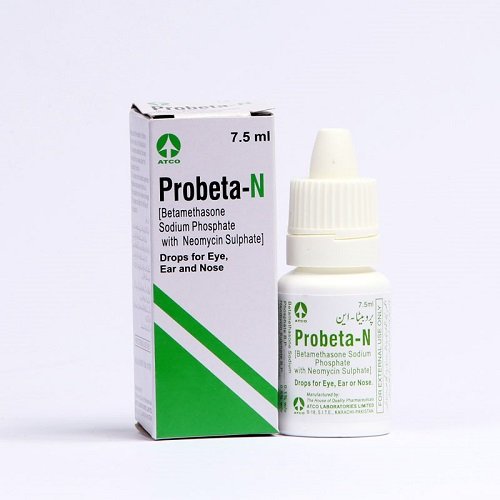
Betamethasone is a potent corticosteroid that reduces inflammation in delicate tissues of the eyes, ears, and nasal passages.
Depending on the formulation, it may be prescribed as:
- Eye drops
- Eye ointment
- Ear drops
- Nasal drops
Some products contain betamethasone alone, while others combine it with an antibiotic to treat bacterial infections accompanied by inflammation.
Approved Medical Uses
Healthcare providers may prescribe betamethasone for:
Eye conditions
- Allergic conjunctivitis
- Non-infectious eye inflammation
- Inflammation after eye surgery
- Certain inflammatory disorders affecting the eyelids or surface of the eye
Ear conditions
- Inflammation of the outer ear (otitis externa)
- Allergic ear inflammation
- Ear canal irritation
- Inflammatory conditions following ear procedures
Nose conditions
- Allergic rhinitis
- Nasal inflammation
- Swelling inside the nasal passages
- Certain inflammatory nasal conditions as determined by a healthcare provider
Betamethasone should only be used for infections when prescribed in combination with appropriate antimicrobial treatment.
How Does Betamethasone Work?
Betamethasone works by reducing the body’s inflammatory response.
This helps:
- Reduce redness
- Decrease swelling
- Relieve itching
- Reduce pain caused by inflammation
- Improve comfort and healing
It suppresses inflammatory chemicals released by the immune system, reducing tissue irritation.
How Should Betamethasone Be Used?
Betamethasone should always be used exactly as prescribed.
General recommendations include:
- Wash your hands before and after use.
- Use only the prescribed number of drops or the recommended amount of ointment.
- Avoid touching the dropper or tube tip to the eye, ear, nose, fingers, or any surface.
- Complete the prescribed course, even if symptoms improve.
- Do not share eye, ear, or nasal medications with others.
Different formulations have different instructions, so always follow the product label and your healthcare provider’s directions.
Dosage Information
Dosage varies depending on:
- The condition being treated
- The formulation used
- Age
- Response to treatment
Typical guidance
Eye drops
- Often 1–2 drops into the affected eye several times daily, with frequency reduced as inflammation improves.
Eye ointment
- A small ribbon applied inside the lower eyelid as directed.
Ear drops
- Several drops into the affected ear, usually multiple times daily.
Nasal drops
- The prescribed number of drops into each nostril according to your healthcare provider’s instructions.
Important note
Always follow the prescribed dosing schedule. Do not increase the frequency or duration without medical advice.
Common Side Effects
Most side effects are temporary and occur at the site of application.
Common side effects include:
- Mild burning or stinging
- Temporary blurred vision (eye products)
- Eye discomfort
- Ear irritation
- Nasal irritation
- Dryness
- Unpleasant taste after nasal use
These symptoms are usually mild and improve quickly.
Serious Safety Warnings
Although uncommon, serious side effects may occur.
Potential risks include:
- Increased pressure inside the eye (glaucoma)
- Cataract formation with prolonged eye use
- Delayed wound healing
- Worsening or masking of infections
- Severe allergic reactions
- Thinning of tissues with prolonged use
Seek immediate medical attention if you develop severe eye pain, sudden vision changes, significant swelling, or signs of a serious allergic reaction.
Important Precautions
Before using betamethasone, tell your healthcare provider if you have:
- Glaucoma
- Cataracts
- Herpes simplex eye infection
- Viral, fungal, or untreated bacterial infections
- Perforated eardrum (for ear drops)
- Recent eye surgery
- Pregnancy or breastfeeding considerations
Long-term use should only occur under close medical supervision.
Drug Interactions
Although topical betamethasone products have fewer interactions than oral corticosteroids, interactions are still possible.
Inform your healthcare provider about all:
- Prescription medications
- Over-the-counter medicines
- Eye medications
- Ear medications
- Nasal medications
- Vitamins
- Herbal supplements
Additional monitoring may be needed if multiple corticosteroid products are used simultaneously.
Monitoring During Treatment
Healthcare providers may monitor:
- Improvement in inflammation
- Eye pressure during prolonged eye treatment
- Vision changes
- Ear or nasal symptom improvement
- Signs of infection
- Overall treatment response
Follow-up appointments are particularly important during extended treatment.
Safe Storage
Store betamethasone products according to the manufacturer’s instructions.
General recommendations include:
- Store at room temperature unless otherwise directed.
- Protect from excessive heat and direct sunlight.
- Keep containers tightly closed.
- Do not use after the expiration date.
- Keep out of reach of children.
- Discard eye drops after the recommended period once opened, according to the product instructions.
Frequently Asked Questions
What is betamethasone for the eyes, ears, and nose used for?
It is used to reduce inflammation, swelling, redness, and irritation affecting the eyes, ears, or nasal passages.
Is betamethasone an antibiotic?
No. Betamethasone is a corticosteroid. Some products combine it with an antibiotic, but betamethasone itself does not kill bacteria.
Can I use it for an eye infection?
Only if your healthcare provider prescribes the appropriate product. Steroids alone can worsen certain eye infections.
Can I stop treatment once I feel better?
Follow your healthcare provider’s instructions. Some treatments require gradual reduction or completion of the prescribed course.
Can I wear contact lenses while using betamethasone eye drops?
Unless your healthcare provider advises otherwise, it is generally recommended to avoid wearing contact lenses while treating active eye inflammation.
What are the most common side effects?
Temporary burning, stinging, blurred vision (with eye products), mild irritation, dryness, and discomfort at the application site.
Is betamethasone safe for long-term use?
Long-term use should only occur under medical supervision because it may increase the risk of glaucoma, cataracts, tissue thinning, and infections.
Conclusion
Betamethasone for the eyes, ears, and nose is an effective corticosteroid medication used to reduce inflammation associated with allergic and inflammatory conditions affecting these sensitive areas. It can provide significant symptom relief when used appropriately and under medical supervision.
Because prolonged or inappropriate use may increase the risk of complications such as glaucoma, cataracts, tissue thinning, or infections, patients should carefully follow prescribed dosing instructions and attend recommended follow-up appointments. Proper use helps maximize benefits while minimizing potential risks.
Betamethasone for eyes, betamethasone eye drops, betamethasone eye ointment, betamethasone ear drops, betamethasone nasal drops, betamethasone uses, betamethasone dosage, betamethasone side effects, corticosteroid eye drops, steroid ear drops, steroid nasal drops, eye inflammation treatment, allergic conjunctivitis treatment, otitis externa treatment, allergic rhinitis treatment, prescription corticosteroid, betamethasone safety, eye steroid medication, ear inflammation treatment, nasal inflammation treatment, betamethasone FAQs, corticosteroid medication guide, anti-inflammatory eye medication, prescription ear drops, prescription nasal drops.
Be the first to review “Betamethasone for eyes, ears and nose”
Related products
Drugs

Drugs
Drugs
Drugs

Drugs
Drugs
Drugs
Drugs
Reviews
There are no reviews yet.