
Betamethasone Tablets: Uses, Dosage, Side Effects, Safety, and Frequently Asked Questions
Betamethasone Tablets: Uses, Dosage, Side Effects & Safety Guide
Learn about Betamethasone tablets, including their medical uses, dosage guidance, side effects, safety precautions, drug interactions, and frequently asked questions.
Betamethasone Tablets: Everything You Need to Know
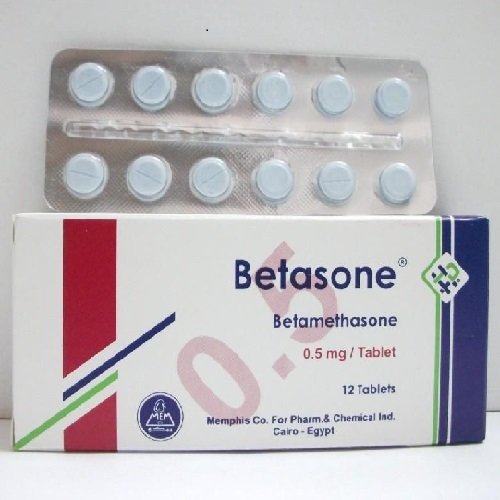
Betamethasone tablets are prescription corticosteroid medications used to treat a wide range of inflammatory, allergic, autoimmune, and immune-related conditions. They contain betamethasone, a potent synthetic glucocorticoid that works by reducing inflammation and suppressing an overactive immune response.
Healthcare providers may prescribe betamethasone tablets for short-term treatment of severe allergic reactions or inflammatory conditions, as well as for certain chronic diseases when other treatments are not sufficient.
Because betamethasone affects the immune system, it should only be used under medical supervision. Long-term use or sudden discontinuation can lead to serious complications, including adrenal insufficiency.
This guide explains what Betamethasone tablets are, how they work, their approved medical uses, dosage information, possible side effects, important safety precautions, and answers to frequently asked questions.
What Are Betamethasone Tablets?
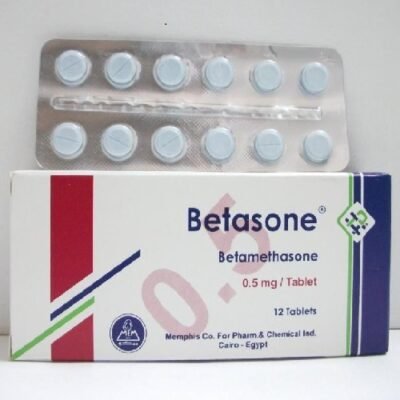
Betamethasone tablets contain betamethasone, a potent corticosteroid that helps reduce inflammation and modify immune system activity.
They are prescribed to control inflammation caused by various medical conditions affecting the skin, joints, lungs, blood, digestive system, and other organs.
Betamethasone tablets are generally reserved for conditions requiring systemic corticosteroid treatment.
Approved Medical Uses
Healthcare providers may prescribe Betamethasone tablets for:
- Severe allergic reactions
- Asthma exacerbations (when appropriate)
- Autoimmune diseases
- Rheumatic and inflammatory joint disorders
- Severe skin disorders such as eczema or dermatitis
- Certain blood disorders
- Inflammatory bowel diseases
- Some endocrine disorders
- Other inflammatory conditions requiring systemic corticosteroid therapy
Treatment is individualized based on the condition being treated and the patient’s response.
How Do Betamethasone Tablets Work?
Betamethasone works by reducing inflammation throughout the body.
It helps:
- Suppress excessive immune responses
- Reduce swelling
- Decrease redness
- Relieve pain associated with inflammation
- Reduce allergic reactions
It affects multiple inflammatory pathways, making it effective for many immune-mediated conditions.
How Should Betamethasone Tablets Be Taken?
Betamethasone tablets should always be taken exactly as prescribed by a healthcare professional.
General recommendations include:
- Take with food or milk to reduce stomach irritation.
- Swallow tablets whole with water.
- Take at the same time each day if prescribed regularly.
- Never change the dose without medical advice.
- Do not stop treatment suddenly after prolonged use.
If long-term therapy is required, your healthcare provider may gradually reduce the dose to prevent withdrawal symptoms.
Dosage Information
Dosage depends on:
- The condition being treated
- Severity of illness
- Age
- Body weight (in some patients)
- Individual response to treatment
Typical dosing guidance
- The dose varies widely depending on the medical condition.
- Treatment often begins with the lowest effective dose.
- Short courses may be used for acute illnesses, while chronic conditions may require individualized long-term dosing.
Important note
Only a healthcare provider should determine the appropriate dosage and duration of treatment.
Common Side Effects
Like other systemic corticosteroids, Betamethasone tablets may cause side effects.
Common side effects include:
- Increased appetite
- Weight gain
- Difficulty sleeping (insomnia)
- Mood changes
- Indigestion
- Increased sweating
- Fluid retention
- Headache
The likelihood of side effects generally increases with higher doses and longer treatment duration.
Serious Safety Warnings
Betamethasone tablets carry important safety warnings.
Potential serious risks include:
- Increased susceptibility to infections
- High blood sugar (hyperglycemia)
- High blood pressure
- Osteoporosis
- Cataracts or glaucoma
- Stomach ulcers or gastrointestinal bleeding
- Adrenal suppression
- Muscle weakness
- Severe mood or behavioral changes
Seek immediate medical attention if you experience severe allergic reactions, vision changes, black stools, severe abdominal pain, or signs of serious infection.
Important Precautions
Before taking Betamethasone tablets, tell your healthcare provider if you have:
- Diabetes
- High blood pressure
- Osteoporosis
- Glaucoma or cataracts
- Liver disease
- Kidney disease
- Stomach ulcers
- Tuberculosis
- Recent or ongoing infections
- Pregnancy or breastfeeding considerations
Patients receiving long-term corticosteroid therapy may require additional monitoring.
Drug Interactions
Betamethasone may interact with numerous medications.
Inform your healthcare provider about all:
- Prescription medicines
- Over-the-counter medications
- Vitamins
- Herbal supplements
Particular caution is required with:
- NSAIDs (such as ibuprofen or naproxen)
- Blood thinners (such as warfarin)
- Diabetes medications
- Certain antifungal medications
- Some antibiotics
- Live vaccines
- Other corticosteroids
- Immunosuppressive medicines
Drug interactions may increase the risk of side effects or affect treatment effectiveness.
Monitoring During Treatment
Healthcare providers may monitor:
- Symptom improvement
- Blood pressure
- Blood glucose levels
- Body weight
- Bone health during prolonged therapy
- Eye health
- Signs of infection
- Adrenal function during long-term treatment
Regular follow-up appointments help ensure treatment remains safe and effective.
Safe Storage
Store Betamethasone tablets according to the product labeling.
General recommendations include:
- Store at room temperature.
- Protect from moisture and excessive heat.
- Keep tablets in their original container.
- Keep out of the reach of children and pets.
- Do not use expired medication.
- Dispose of unused tablets according to your pharmacist’s recommendations.
Frequently Asked Questions
What are Betamethasone tablets used for?
They are used to treat a wide variety of inflammatory, allergic, autoimmune, and immune-related conditions.
Are Betamethasone tablets antibiotics?
No. Betamethasone is a corticosteroid, not an antibiotic.
Can I stop taking Betamethasone suddenly?
Not if you have been taking it for more than a short period. Stopping abruptly after prolonged use may lead to adrenal insufficiency. Your healthcare provider may recommend gradually reducing the dose.
What are the most common side effects?
Common side effects include increased appetite, weight gain, insomnia, mood changes, indigestion, fluid retention, and headache.
Can Betamethasone increase blood sugar?
Yes. Corticosteroids may increase blood glucose levels, especially in people with diabetes or those at risk of developing diabetes.
Can I receive vaccines while taking Betamethasone?
Some vaccines, particularly live vaccines, may not be appropriate during treatment with higher doses of corticosteroids. Always consult your healthcare provider before receiving vaccinations.
Is Betamethasone safe during pregnancy?
Use during pregnancy should only occur when the potential benefits outweigh the potential risks, as determined by a healthcare provider.
Conclusion
Betamethasone tablets are potent corticosteroid medications used to treat a broad range of inflammatory, allergic, and autoimmune conditions. By reducing inflammation and suppressing excessive immune activity, they can provide significant symptom relief for many medical conditions.
Because systemic corticosteroids carry important risks—including infections, adrenal suppression, osteoporosis, elevated blood sugar, and other long-term complications—they should always be used exactly as prescribed and under regular medical supervision. Careful monitoring and following your healthcare provider’s instructions can help maximize the benefits of treatment while minimizing potential risks.
Betamethasone tablets, betamethasone tablet uses, betamethasone dosage, betamethasone side effects, betamethasone corticosteroid, oral corticosteroid medication, steroid tablets, inflammation treatment, autoimmune disease medication, allergy treatment tablets, prescription corticosteroid, betamethasone safety, immune suppression medication, inflammatory disease treatment, systemic corticosteroid, rheumatic disease treatment, asthma corticosteroid tablets, eczema treatment medication, patient medication guide, betamethasone FAQs, corticosteroid safety, oral steroid medication, immune system treatment, prescription steroid tablets, anti-inflammatory medication.
| Quantity | 30 Pills, 60 Pills, 120 Pills, 180 Pills, 200 Pills, 250 Pills, 300 Pills, 400 Pills, 500 Pills |
|---|
Be the first to review “Betamethasone tablets”
Related products

Drugs

Drugs
Drugs
Drugs
Drugs


Drugs
Drugs
Reviews
There are no reviews yet.