
Atropine: Uses, Dosage, Side Effects, Safety, and Frequently Asked Questions
Atropine: Uses, Side Effects & Emergency Medication Guide
Learn about Atropine, including its uses in emergencies, bradycardia treatment, dosing, side effects, safety precautions, and frequently asked questions.
Atropine: Everything You Need to Know
Atropine is a prescription medication that affects the nervous system by blocking the action of acetylcholine, a chemical messenger involved in many bodily functions. It is used in a variety of medical settings, including emergency care, eye examinations, and treatment of certain poisonings.
Atropine is considered an essential medication in emergency medicine due to its ability to quickly increase heart rate and reduce excessive secretions.
What Is Atropine?
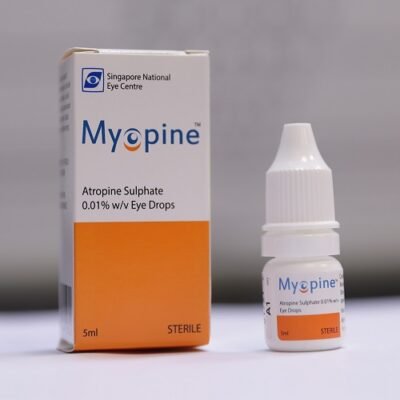
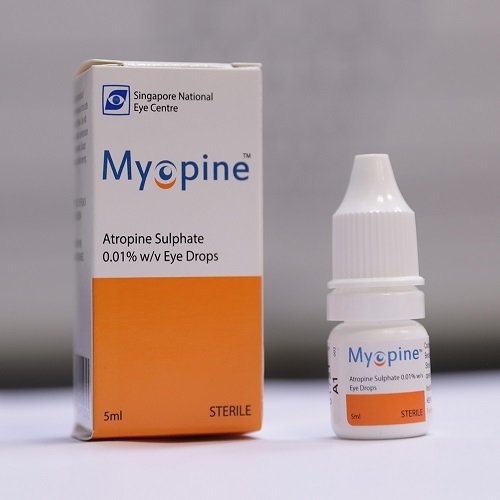
Atropine belongs to a class of drugs called anticholinergics. It works by blocking muscarinic receptors in the body, which reduces parasympathetic nervous system activity.
This leads to effects such as:
- Increased heart rate
- Reduced saliva and mucus production
- Relaxation of smooth muscles in certain organs
- Pupil dilation in the eyes
Because of these effects, atropine is used in both emergency and specialized medical situations.
Approved Medical Uses
Healthcare providers may use Atropine for:
- Bradycardia (especially emergency treatment)
- Pre-anesthetic reduction of secretions
- Treatment of organophosphate or nerve agent poisoning
- Ophthalmic use for pupil dilation (eye exams)
- Management of certain gastrointestinal spasms (less common today)
It is often used in hospital or emergency settings rather than long-term outpatient therapy.
How Does Atropine Work?
Atropine blocks acetylcholine at muscarinic receptors.
This results in:
- Increased heart rate by blocking vagal (parasympathetic) influence
- Reduced secretions in saliva, lungs, and digestive tract
- Relaxation of smooth muscle in certain organs
- Dilated pupils (mydriasis) and temporary loss of accommodation in the eye
These effects can be rapid and are especially valuable in emergencies.
How Is Atropine Given?
Atropine is usually administered by healthcare professionals.
Common routes include:
- Intravenous (IV) injection (emergency use)
- Intramuscular (IM) injection
- Ophthalmic (eye drops) for diagnostic use
Dosage depends on the condition being treated and the clinical setting. It is not typically self-administered.
Common Side Effects
Atropine can cause noticeable anticholinergic side effects.
Common side effects include:
- Dry mouth
- Blurred vision
- Sensitivity to light
- Fast heart rate
- Constipation
- Urinary retention
- Dizziness
These effects are usually temporary and dose-related.
Serious Safety Warnings
Atropine can cause serious adverse effects, especially at higher doses.
Potential risks include:
- Severe tachycardia (dangerously fast heart rate)
- Confusion or delirium (especially in older adults)
- Heat stroke due to reduced sweating
- Severe allergic reactions
- Worsening of glaucoma (narrow-angle glaucoma risk)
Seek emergency medical attention if there is severe confusion, chest pain, or inability to urinate.
Important Precautions
Before using atropine, healthcare providers consider:
- Heart disease
- Glaucoma
- Prostate enlargement (urinary retention risk)
- Asthma or chronic lung disease
- Kidney or liver impairment
- Age-related sensitivity (especially elderly patients)
Atropine must be used carefully in patients sensitive to anticholinergic effects.
Drug Interactions
Atropine may interact with other medications that affect the nervous system.
Important interactions include:
- Other anticholinergic drugs
- Antihistamines
- Tricyclic antidepressants
- Certain antipsychotic medications
- Some anti-parkinsonian drugs
These combinations may increase side effects such as confusion, dry mouth, and rapid heart rate.
Monitoring During Treatment
Healthcare providers may monitor:
- Heart rate and rhythm
- Blood pressure
- Mental status (especially in elderly patients)
- Urinary output
- Eye response (if used in ophthalmology)
Monitoring ensures safe and appropriate use, especially in emergency care.
Lifestyle and Safety Considerations
Because atropine can affect vision and heat regulation:
- Avoid driving if vision is blurred after use
- Stay in cool environments to prevent overheating
- Drink fluids to manage dry mouth
- Use caution in elderly individuals due to confusion risk
Safe Storage
Atropine should be stored properly:
- Store at room temperature
- Protect from light
- Keep in original packaging
- Store securely, especially injectable forms (controlled medical use)
Frequently Asked Questions
What is atropine used for?
Atropine is used in emergencies to treat slow heart rate, poisoning, and in eye exams to dilate pupils.
Is atropine dangerous?
It is safe when used correctly by healthcare professionals but can be dangerous in overdose.
Does atropine increase heart rate?
Yes. It blocks vagal activity, which increases heart rate.
Can atropine be used at home?
No. It is typically administered in clinical or emergency settings.
Why is atropine important in emergencies?
It works quickly to stabilize heart rate and reduce life-threatening symptoms in certain poisonings.
Conclusion
Atropine is a fast-acting anticholinergic medication widely used in emergency medicine to treat bradycardia, poisoning, and for diagnostic eye procedures. Its ability to rapidly affect heart rate and secretions makes it a critical drug in acute care settings.
Because it has strong physiological effects, atropine must be administered by trained healthcare professionals with appropriate monitoring.
atropine, atropine injection, anticholinergic medication, bradycardia treatment, emergency heart medication, organophosphate poisoning treatment, pupil dilation eye drops, atropine side effects, emergency medicine drugs, parasympathetic blocker, heart rate medication, ICU emergency drugs, hospital medication guide, patient education, healthcare information, atropine uses, anticholinergic drug class, emergency pharmacology.
| Quantity | 30 Pills, 60 Pills, 120 Pills, 180 Pills, 200 Pills, 250 Pills, 300 Pills, 400 Pills, 500 Pills |
|---|
Be the first to review “Atropine”
Related products
Drugs
Drugs
Drugs
Drugs
Drugs
Drugs
Drugs
Reviews
There are no reviews yet.