
Thiamine 100 mg: Uses, Dosage, Side Effects, Safety, and Frequently Asked Questions
What Is Thiamine 100 mg?
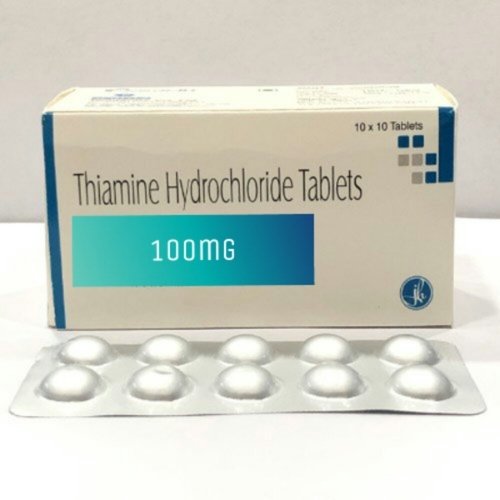
Thiamine 100 mg is a vitamin B1 supplement used to prevent and treat thiamine (vitamin B1) deficiency. Thiamine is an essential water-soluble vitamin that helps the body convert carbohydrates into energy and supports the normal function of the nervous system, heart, and muscles.
Thiamine 100 mg may be prescribed for people with a diagnosed deficiency or those at increased risk due to certain medical conditions or nutritional factors.
It is available in several forms, including:
- 50 mg tablets
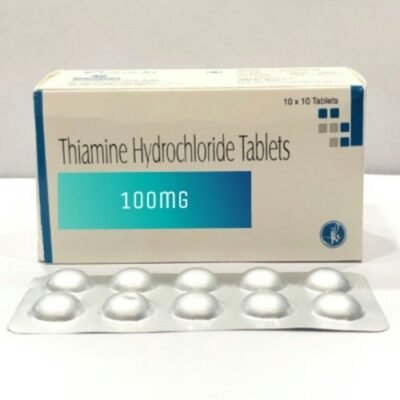
- 100 mg tablets
- 250 mg tablets (in some regions)
- Capsules
- Injectable formulations
How Thiamine Works
Thiamine plays a key role in many important body functions.
It helps:
- Convert food into energy.
- Support healthy nerve function.
- Maintain normal heart function.
- Aid muscle function.
- Support brain health and metabolism.
Because the body stores only small amounts of thiamine, a regular supply from diet or supplements is important.
Thiamine 100 mg Uses
Thiamine may be prescribed for:
Thiamine Deficiency
To treat or prevent vitamin B1 deficiency caused by:
- Poor nutrition.
- Certain digestive disorders.
- Increased nutritional needs.
Beriberi
Thiamine is the primary treatment for beriberi, a condition caused by severe vitamin B1 deficiency that can affect the heart and nervous system.
Wernicke Encephalopathy
Thiamine is an essential part of treatment for Wernicke encephalopathy, a serious neurological condition often associated with severe thiamine deficiency. Injectable thiamine is generally used initially in acute cases.
Nutritional Support
Some people may receive thiamine supplementation if they have conditions or treatments that increase the risk of deficiency.
Benefits of Thiamine 100 mg
When taken as directed, Thiamine may help:
- Correct vitamin B1 deficiency.
- Support healthy nerve function.
- Improve energy metabolism.
- Maintain heart health.
- Support normal brain function.
Thiamine 100 mg Dosage
The appropriate dose depends on:
- The reason for treatment.
- Age.
- Nutritional status.
- Overall health.
- Healthcare provider recommendations.
General guidance:
- Take exactly as prescribed or as directed on the product label.
- Do not exceed the recommended dose unless instructed by a healthcare professional.
How to Take Thiamine
For best results:
- Take with a glass of water.
- It may be taken with or without food.
- Take it at the same time each day if used regularly.
- Continue treatment for the duration recommended by your healthcare provider.
Missed Dose
If you miss a dose:
- Take it when you remember.
- If it is almost time for your next dose, skip the missed dose.
- Do not take two doses at the same time.
Common Side Effects
Thiamine is generally well tolerated.
Possible side effects may include:
- Mild stomach upset.
- Nausea.
- Skin rash.
- Itching.
Serious Side Effects
Serious side effects are uncommon but seek medical attention immediately if you experience:
- Swelling of the face, lips, tongue, or throat.
- Difficulty breathing.
- Severe allergic reaction.
- Severe rash.
Serious allergic reactions are rare but can occur, particularly with injectable forms.
Safety Information
Before taking Thiamine, tell your healthcare provider if you:
- Have allergies to vitamins or supplement ingredients.
- Are pregnant or planning pregnancy.
- Are breastfeeding.
- Have any long-term medical conditions.
Thiamine is generally considered safe when taken as directed.
Drug Interactions
Thiamine has relatively few known drug interactions.
However, tell your healthcare provider about all:
- Prescription medicines.
- Over-the-counter medicines.
- Herbal products.
- Vitamins and dietary supplements.
Alcohol and Thiamine
Long-term heavy alcohol use can interfere with thiamine absorption and increase the risk of deficiency. People with alcohol-related nutritional deficiency may require medical evaluation and supplementation.
Pregnancy and Breastfeeding
Thiamine is an essential nutrient during pregnancy and breastfeeding.
If supplementation is needed:
- Follow your healthcare provider’s recommendations.
- Do not exceed recommended doses without medical advice.
Storage
Store Thiamine tablets:
- At room temperature.
- Away from moisture and heat.
- In the original container.
- Out of reach of children.
Frequently Asked Questions (FAQs)
What is Thiamine 100 mg used for?
Thiamine 100 mg is used to prevent and treat vitamin B1 deficiency and related conditions such as beriberi.
Is Thiamine the same as Vitamin B1?
Yes. Thiamine is another name for vitamin B1.
Can Thiamine increase energy?
Thiamine helps the body convert food into energy. It can improve symptoms caused by vitamin B1 deficiency, but it is not a stimulant.
Is Thiamine safe for long-term use?
For many people, thiamine is safe when taken as directed by a healthcare professional or according to product instructions.
Can Thiamine treat nerve problems?
Thiamine may help improve nerve function in people whose symptoms are related to vitamin B1 deficiency. It is not a treatment for all causes of nerve damage.
Does Thiamine cause weight gain?
No. Thiamine does not typically cause weight gain.
Can children take Thiamine?
Yes. Thiamine may be prescribed for children when medically indicated, but the dose depends on age and clinical needs.
Can older adults take Thiamine?
Yes. Older adults may benefit from supplementation if they are at risk of vitamin B1 deficiency.
What happens if I take too much Thiamine?
Thiamine is a water-soluble vitamin, and excess amounts are generally excreted in urine. However, taking more than recommended is not advised unless directed by a healthcare professional.
Can Thiamine cure vitamin deficiency?
Yes. When vitamin B1 deficiency is the cause of symptoms, appropriate thiamine treatment can correct the deficiency and help improve associated health problems.
Final Thoughts
Thiamine 100 mg is an important vitamin B1 supplement used to prevent and treat deficiency and support healthy nerve, heart, and brain function. It is generally safe, well tolerated, and most effective when taken as directed.
If you have symptoms of vitamin B1 deficiency or are at increased risk, speak with your healthcare provider to determine whether Thiamine supplementation is appropriate for your needs.
Medical Disclaimer: This article is for educational and informational purposes only and should not replace professional medical advice, diagnosis, or treatment. Always consult a qualified healthcare professional before starting, stopping, or changing any medication.
| Quantity | 30 Pills, 60 Pills, 120 Pills, 180 Pills, 200 Pills, 250 Pills, 300 Pills, 400 Pills, 500 Pills |
|---|
Be the first to review “Thiamine 100mg”
Related products
Drugs
Drugs

Drugs
Drugs

Drugs
Drugs
Drugs
Drugs
Reviews
There are no reviews yet.