
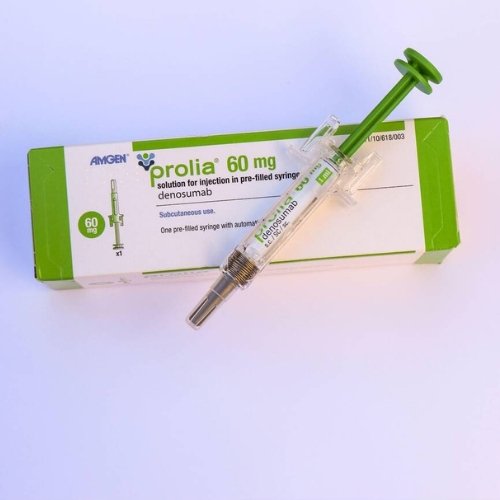

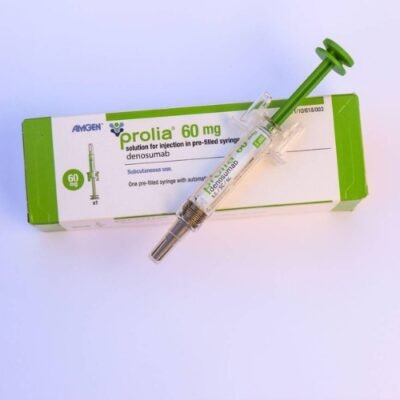
Prolia 60 mg/mL (Denosumab): Uses, Dosage, Side Effects, Safety, and Frequently Asked Questions
What Is Prolia 60 mg/mL?
Prolia 60 mg/mL contains the active ingredient denosumab, a prescription medicine used to help strengthen bones and reduce the risk of fractures. It belongs to a class of medicines called monoclonal antibodies and works by slowing the breakdown of bone tissue.
Prolia is given as a subcutaneous injection (an injection under the skin) by a healthcare professional or according to medical instructions.
It is commonly prescribed for:
- Osteoporosis in postmenopausal women.
- Osteoporosis in men at increased risk of fractures.
- Bone loss caused by certain medical treatments.
- Increased fracture risk due to long-term steroid use.
How Prolia Works
Prolia works by blocking a protein called RANK ligand (RANKL), which plays an important role in the activity of osteoclasts (cells responsible for breaking down bone).
By reducing osteoclast activity, Prolia helps:
- Slow bone loss.
- Increase bone mineral density.
- Strengthen bones.
- Reduce the risk of certain fractures.
Prolia 60 mg/mL Uses
Prolia may be prescribed for:
Osteoporosis
Used to treat osteoporosis in people who have a high risk of fractures, including:
- Postmenopausal women.
- Men with osteoporosis.
- People who cannot tolerate other osteoporosis treatments.
Bone Loss From Steroid Treatment
May help reduce bone loss in people taking long-term corticosteroid medicines when they are at increased fracture risk.
Bone Loss Related to Certain Cancer Treatments
May be used to reduce bone loss associated with some hormone-related cancer treatments.
Benefits of Prolia 60 mg/mL
When used as prescribed, Prolia may help:
- Increase bone strength.
- Improve bone density.
- Lower the chance of spine, hip, and other fractures.
- Provide long-lasting bone protection with scheduled injections.
Prolia 60 mg/mL Dosage
The usual adult dose is:
- 60 mg injected under the skin once every 6 months
The injection is usually given by a healthcare professional.
Before receiving Prolia, your healthcare provider may check:
- Calcium levels.
- Vitamin D status.
- Kidney function.
- Overall bone health.
Do not stop or delay Prolia injections without discussing it with your healthcare provider, as stopping treatment can increase the risk of rapid bone loss and fractures.
How Prolia Is Given
Prolia is administered as:
- A subcutaneous injection, usually in the upper arm, thigh, or abdomen.
- One dose every six months.
Your healthcare provider may recommend adequate:
- Calcium intake.
- Vitamin D supplementation.
Missed Dose
If you miss a scheduled Prolia injection:
- Contact your healthcare provider as soon as possible.
- Arrange another appointment to receive the injection.
- Follow your healthcare provider’s instructions for maintaining treatment protection.
Common Side Effects
Common side effects may include:
- Back pain.
- Joint pain.
- Muscle pain.
- Pain in the arms or legs.
- High cholesterol.
- Bladder infections.
- Skin conditions such as eczema.
Serious Side Effects
Seek medical attention if you experience:
Low Calcium Levels (Hypocalcemia)
Symptoms may include:
- Muscle spasms.
- Tingling or numbness.
- Confusion.
- Abnormal heartbeat.
Serious Infections
Prolia may affect immune system activity in some people and may increase the risk of certain infections.
Jaw Problems
Rarely, Prolia may be associated with osteonecrosis of the jaw, especially in people with dental problems or certain risk factors.
Tell your dentist you are receiving Prolia before dental procedures.
Unusual Thigh Bone Fractures
Rare fractures of the thigh bone may occur, sometimes with warning signs such as new or unusual thigh or groin pain.
Severe Allergic Reactions
Seek urgent care for:
- Difficulty breathing.
- Facial swelling.
- Severe rash.
- Swelling of the throat or tongue.
Safety Information
Before receiving Prolia, tell your healthcare provider if you have:
- Low calcium levels.
- Kidney disease.
- Problems absorbing nutrients.
- A history of dental problems.
- Planned dental surgery.
- Immune system problems.
- Current infections.
- Pregnancy or plans to become pregnant.
- Breastfeeding.
Maintain good dental hygiene and attend regular dental check-ups during treatment.
Drug Interactions
Prolia may interact with:
- Other medicines affecting the immune system.
- Other osteoporosis medications.
- Long-term steroid treatments.
- Certain cancer treatments.
Always provide your healthcare provider with a complete list of medicines, vitamins, and supplements you take.
Alcohol and Prolia
Heavy alcohol use may increase the risk of bone loss and fractures. Discuss alcohol consumption with your healthcare provider as part of your bone health plan.
Pregnancy and Breastfeeding
- Pregnancy: Prolia may harm an unborn baby and should only be used when specifically recommended by a healthcare provider.
- Breastfeeding: Discuss with your healthcare provider whether Prolia is appropriate while breastfeeding.
Storage
Prolia injections should be:
- Stored in a refrigerator according to manufacturer instructions.
- Protected from light.
- Handled by healthcare professionals or as directed.
- Not frozen or shaken.
Frequently Asked Questions (FAQs)
What is Prolia 60 mg/mL used for?
Prolia is used to treat osteoporosis and help reduce the risk of fractures by strengthening bones.
Is Prolia a bisphosphonate?
No. Prolia (denosumab) is not a bisphosphonate. It is a monoclonal antibody that works by blocking RANKL.
How often is Prolia given?
Prolia is usually given as a 60 mg injection every six months.
Does Prolia rebuild bone?
Prolia helps increase bone density and strengthen bones by slowing bone breakdown.
Can I stop Prolia suddenly?
Do not stop Prolia without medical advice. Stopping treatment may lead to rapid bone loss and increased fracture risk.
Does Prolia cause bone pain?
Some people experience bone, muscle, or joint pain. Report severe or unusual pain to your healthcare provider.
Can Prolia be used with calcium and vitamin D?
Yes. Many patients receiving Prolia are advised to maintain adequate calcium and vitamin D levels.
Can older adults take Prolia?
Yes. Prolia is commonly used in older adults with osteoporosis, but individual risks and benefits should be reviewed with a healthcare provider.
What happens if I miss a Prolia injection?
Contact your healthcare provider to arrange the next injection as soon as possible and follow their advice.
Is Prolia a chemotherapy drug?
No. Prolia is not chemotherapy. It is a bone-targeting monoclonal antibody used mainly for osteoporosis and bone health conditions.
Final Thoughts
Prolia 60 mg/mL (denosumab) is an effective treatment that helps protect bone strength and reduce fracture risk in people with osteoporosis and other bone-loss conditions. Because it affects bone metabolism and calcium balance, it requires regular medical monitoring and scheduled injections.
Patients should maintain adequate calcium and vitamin D intake as advised, attend follow-up appointments, and inform healthcare providers and dentists that they are receiving Prolia.
Medical Disclaimer: This article is for educational and informational purposes only and should not replace professional medical advice, diagnosis, or treatment. Always consult a qualified healthcare professional before starting, stopping, or changing any medication.
| Quantity | 30 Pills, 60 Pills, 120 Pills, 180 Pills, 200 Pills, 250 Pills, 300 Pills, 400 Pills, 500 Pills |
|---|
Be the first to review “Prolia 60mg/ml”
Related products

Drugs

Drugs
Drugs

Drugs

Drugs
Drugs

Drugs
Reviews
There are no reviews yet.