

Ventolin / ProAir (Albuterol): Uses, Dosage, Side Effects, Safety, and Frequently Asked Questions
What Are Ventolin and ProAir?
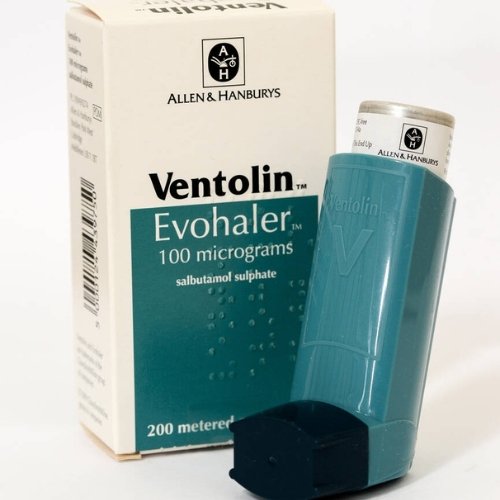
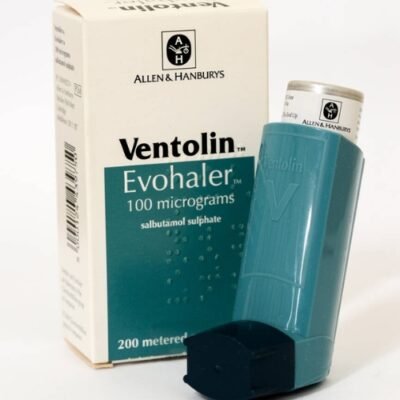
Ventolin and ProAir are brand names for inhalers containing the active ingredient albuterol (also called salbutamol in some countries). They are short-acting beta-2 agonist (SABA) bronchodilators used to quickly relieve symptoms of breathing problems caused by airway narrowing.
These inhalers are commonly known as rescue inhalers because they work rapidly to open the airways during episodes of:
- Asthma symptoms.
- Wheezing.
- Shortness of breath.
- Chest tightness.
- Exercise-induced bronchospasm.
Common formulations include:
- Metered-dose inhaler (MDI).
- Inhalation solution for nebulizers (in some cases).
How Ventolin / ProAir Works
Albuterol works by stimulating beta-2 receptors in the muscles surrounding the airways.
This causes:
- Relaxation of airway muscles.
- Widening of the bronchial tubes.
- Improved airflow into and out of the lungs.
- Faster relief of wheezing and breathing difficulty.
It usually begins working within minutes and provides temporary symptom relief.
Ventolin / ProAir Uses
These inhalers may be prescribed for:
Asthma
To relieve symptoms such as:
- Wheezing.
- Shortness of breath.
- Chest tightness.
- Cough caused by airway narrowing.
Chronic Obstructive Pulmonary Disease (COPD)
May help relieve bronchospasm and improve airflow in some people with COPD.
Exercise-Induced Bronchospasm
Used before exercise in some patients to help prevent exercise-related breathing symptoms.
Benefits of Ventolin / ProAir
When used correctly, albuterol inhalers may help:
- Provide rapid relief from asthma symptoms.
- Improve breathing during bronchospasm.
- Reduce wheezing and chest tightness.
- Allow better airflow during breathing difficulties.
- Help prevent exercise-triggered symptoms when prescribed for that purpose.
How to Use a Ventolin / ProAir Inhaler
General inhaler technique:
- Remove the cap and check the mouthpiece.
- Shake the inhaler well.
- Breathe out fully.
- Place the mouthpiece in your mouth.
- Press the inhaler while breathing in slowly and deeply.
- Hold your breath briefly.
- Exhale slowly.
A spacer device may improve medication delivery for some people.
Always follow the instructions provided with your specific inhaler.
Ventolin / ProAir Dosage
The dose depends on:
- Age.
- Severity of symptoms.
- Diagnosis.
- Response to treatment.
- Other asthma or lung medications being used.
General guidance:
- Use only as prescribed.
- Do not use more frequently than recommended.
- Frequent need for a rescue inhaler may indicate that asthma or lung disease is not well controlled and should be reviewed by a healthcare provider.
Common Side Effects
Common side effects may include:
- Shakiness (tremor).
- Nervousness.
- Fast heartbeat.
- Headache.
- Dizziness.
- Throat irritation.
- Muscle cramps.
- Difficulty sleeping.
These effects are often temporary.
Serious Side Effects
Seek medical attention if you experience:
- Chest pain.
- Severe or irregular heartbeat.
- Worsening breathing problems immediately after use.
- Severe allergic reactions.
- Significant dizziness or fainting.
Safety Information
Before using Ventolin or ProAir, tell your healthcare provider if you have:
- Heart disease.
- High blood pressure.
- Irregular heartbeat.
- Thyroid problems.
- Diabetes.
- Low potassium levels.
- Seizure disorders.
- Pregnancy or plans to become pregnant.
- Breastfeeding.
Drug Interactions
Albuterol may interact with:
- Other stimulant medications.
- Certain heart medications.
- Beta-blockers (may reduce effectiveness).
- Diuretics (“water pills”), which may affect potassium levels.
- Some antidepressants, including MAO inhibitors and tricyclic antidepressants.
Tell your healthcare provider about all medicines, supplements, and herbal products you use.
Alcohol and Ventolin / ProAir
Alcohol does not directly interact with albuterol, but alcohol may worsen some symptoms of asthma or affect overall respiratory health. Discuss alcohol use with your healthcare provider if you have lung disease.
Pregnancy and Breastfeeding
If you are pregnant, planning pregnancy, or breastfeeding:
- Discuss inhaler use with your healthcare provider.
- Maintaining good asthma control during pregnancy is important.
- Your healthcare provider will determine the safest treatment approach.
Storage
Store inhalers:
- At room temperature.
- Away from extreme heat and direct sunlight.
- With the mouthpiece clean and protected.
- Out of reach of children.
Do not use an inhaler after it has expired or according to the dose counter instructions.
Frequently Asked Questions (FAQs)
What is Ventolin or ProAir used for?
Ventolin and ProAir are rescue inhalers used to quickly relieve asthma symptoms, wheezing, shortness of breath, and bronchospasm.
Are Ventolin and ProAir the same medication?
Yes. Both contain albuterol as the active ingredient, although formulations and manufacturers may differ.
Is albuterol a steroid?
No. Albuterol is a bronchodilator. It relaxes airway muscles but does not reduce airway inflammation like inhaled corticosteroids.
How quickly does Ventolin work?
Albuterol often begins working within a few minutes, with effects lasting several hours.
Can I use Ventolin every day?
Some people may use it regularly if prescribed, but needing a rescue inhaler frequently may mean asthma control needs to be reassessed.
Can children use Ventolin or ProAir?
Yes. Albuterol is commonly used in children when prescribed, with dosing based on age and medical needs.
Can Ventolin stop an asthma attack?
Ventolin can provide quick relief of bronchospasm symptoms, but severe asthma attacks may require urgent medical care.
Can I use Ventolin with other asthma medicines?
Yes. Many people use albuterol along with long-term controller medicines such as inhaled corticosteroids, as prescribed.
What happens if I use too much albuterol?
Excessive use may cause increased heart rate, tremors, chest discomfort, low potassium levels, and other side effects. Seek medical advice if too much has been used.
Does Ventolin cure asthma?
No. Ventolin controls symptoms by opening the airways but does not cure asthma or remove the underlying airway inflammation.
Final Thoughts
Ventolin and ProAir (albuterol) are fast-acting rescue inhalers that help relieve breathing symptoms caused by asthma, COPD, and other airway conditions. They are valuable tools for managing sudden symptoms but should be used according to medical advice.
If you need your rescue inhaler more often than recommended, experience worsening symptoms, or have difficulty breathing that does not improve, seek medical evaluation.
Medical Disclaimer: This article is for educational and informational purposes only and should not replace professional medical advice, diagnosis, or treatment. Always consult a qualified healthcare professional before starting, stopping, or changing any medication.
Be the first to review “ventolin proair”
Related products
Drugs
Drugs
Drugs

Drugs
Drugs
Drugs
Drugs
Reviews
There are no reviews yet.