
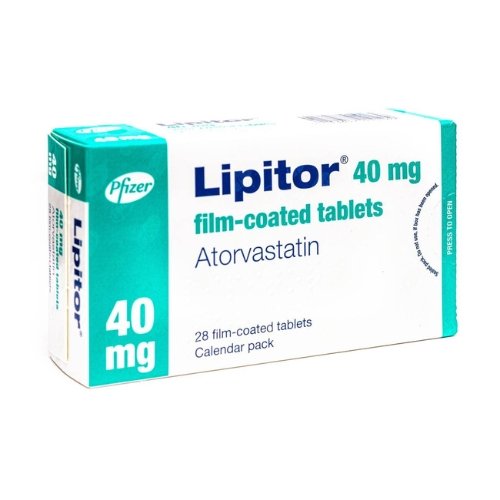
Lipitor 40mg
Price range: €120.00 through €820.00
Lipitor 40 mg (atorvastatin) is a widely prescribed statin that helps lower LDL cholesterol, reduce triglycerides, and decrease the risk of heart attack and stroke. It is most effective when combined with a heart-healthy lifestyle and regular medical follow-up.
Lipitor 40 mg: Uses, Dosage, Side Effects, Safety, and Frequently Asked Questions
What Is Lipitor 40 mg?
Lipitor 40 mg is a prescription medicine containing atorvastatin calcium, a statin medication used to lower cholesterol and reduce the risk of cardiovascular disease. It helps decrease levels of low-density lipoprotein (LDL) cholesterol (“bad” cholesterol) and triglycerides while increasing high-density lipoprotein (HDL) cholesterol (“good” cholesterol).
Lipitor is commonly prescribed alongside a heart-healthy diet, regular exercise, and other lifestyle changes to help improve cholesterol levels and protect against serious cardiovascular events such as heart attack and stroke.
Lipitor is available in several tablet strengths, including:
- 10 mg
- 20 mg
- 40 mg
- 80 mg
How Lipitor Works
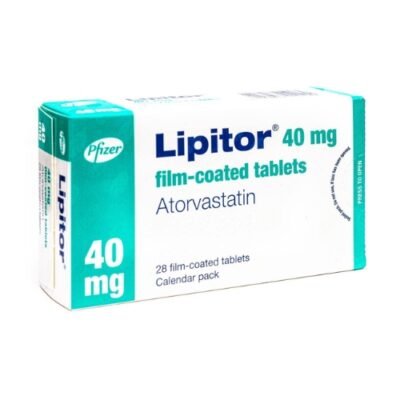
Lipitor belongs to a group of medicines known as HMG-CoA reductase inhibitors (statins).
It works by:
- Blocking an enzyme involved in cholesterol production in the liver.
- Lowering LDL (“bad”) cholesterol.
- Reducing triglyceride levels.
- Increasing HDL (“good”) cholesterol.
- Helping stabilize fatty plaques in blood vessels.
- Lowering the risk of heart attack, stroke, and other cardiovascular complications.
Because cholesterol production is reduced, the liver also removes more LDL cholesterol from the bloodstream.
Lipitor 40 mg Uses
High Cholesterol (Hypercholesterolaemia)
Lipitor is commonly prescribed to lower elevated cholesterol levels in adults and certain children with appropriate medical supervision.
Mixed Dyslipidaemia
Lipitor may be used to treat mixed cholesterol disorders involving:
- High LDL cholesterol.
- High triglycerides.
- Low HDL cholesterol.
Prevention of Cardiovascular Disease
Lipitor helps reduce the risk of:
- Heart attack.
- Stroke.
- Angina (chest pain).
- Coronary artery disease complications.
- Cardiovascular death in people at increased risk.
Familial Hypercholesterolaemia
Lipitor may be prescribed for people with inherited forms of high cholesterol, including heterozygous familial hypercholesterolaemia and, in selected cases, homozygous familial hypercholesterolaemia as part of a comprehensive treatment plan.
Benefits of Lipitor 40 mg
When taken as prescribed, Lipitor may help:
- Lower LDL cholesterol.
- Reduce triglycerides.
- Increase HDL cholesterol.
- Slow the progression of atherosclerosis.
- Reduce the risk of heart attack and stroke.
- Improve long-term cardiovascular health.
Lipitor 40 mg Dosage
The appropriate dose depends on:
- Your cholesterol levels.
- Cardiovascular risk.
- Age.
- Liver function.
- Other medical conditions.
- Response to treatment.
General guidance:
- Take exactly as prescribed.
- Do not change your dose without medical advice.
- Continue treatment even if you feel well, as high cholesterol often causes no symptoms.
Regular blood tests may be recommended to monitor cholesterol levels and liver function.
How to Take Lipitor 40 mg
For best results:
- Take one tablet once daily, or as directed by your healthcare provider.
- It may be taken with or without food.
- Take it at approximately the same time each day.
- Continue following a healthy diet and exercise program while taking Lipitor.
Missed Dose
If you miss a dose:
- Take it as soon as you remember.
- If your next scheduled dose is due soon, skip the missed dose.
- Do not take two doses at the same time.
Common Side Effects
Common side effects may include:
- Muscle aches.
- Joint pain.
- Headache.
- Nausea.
- Diarrhoea.
- Constipation.
- Indigestion.
- Mild fatigue.
Many people take Lipitor without experiencing significant side effects.
Serious Side Effects
Seek immediate medical attention if you experience:
- Severe muscle pain or weakness.
- Dark-coloured urine.
- Yellowing of the skin or eyes.
- Severe abdominal pain.
- Persistent nausea or vomiting.
- Severe allergic reactions.
- Difficulty breathing.
Rarely, statins may cause rhabdomyolysis, a serious condition involving muscle breakdown that requires urgent medical care.
Safety Information
Before taking Lipitor, tell your healthcare provider if you have:
- Liver disease.
- Kidney disease.
- Diabetes.
- Thyroid disorders.
- A history of muscle disorders.
- Heavy alcohol use.
- Pregnancy or plans to become pregnant.
Lipitor is not recommended during pregnancy because cholesterol is essential for fetal development.
Drug Interactions
Lipitor may interact with:
- Certain antibiotics (such as clarithromycin).
- Some antifungal medications.
- Certain HIV or hepatitis antiviral medicines.
- Cyclosporine.
- Other cholesterol-lowering medications (such as fibrates).
- Warfarin.
- Grapefruit or grapefruit juice in large amounts.
Always provide your healthcare provider with a complete list of all medicines, vitamins, and herbal supplements you use.
Food and Alcohol
A heart-healthy diet is an important part of treatment.
Large amounts of grapefruit juice may increase atorvastatin levels in the body and raise the risk of side effects.
Excessive alcohol consumption may increase the risk of liver-related side effects.
Pregnancy and Breastfeeding
Tell your healthcare provider if you are:
- Pregnant.
- Planning to become pregnant.
- Breastfeeding.
Lipitor should generally not be used during pregnancy or while breastfeeding unless specifically advised by a healthcare professional.
Storage
Store Lipitor tablets:
- At room temperature.
- Away from moisture and direct sunlight.
- In the original container.
- Out of reach of children.
Do not use after the expiry date.
Frequently Asked Questions (FAQs)
What is Lipitor 40 mg used for?
Lipitor 40 mg is used to lower cholesterol, reduce triglycerides, increase HDL cholesterol, and lower the risk of heart attack, stroke, and other cardiovascular events.
Is Lipitor the same as atorvastatin?
Yes. Lipitor is the brand name for atorvastatin.
How long does Lipitor take to work?
Cholesterol levels often begin to improve within 2 to 4 weeks, although the full benefit depends on continued treatment and lifestyle measures.
Can Lipitor cause muscle pain?
Yes. Mild muscle aches are a known side effect. Severe muscle pain or weakness should be reported to a healthcare provider immediately.
Can I stop taking Lipitor when my cholesterol improves?
No. Continue taking Lipitor unless your healthcare provider advises otherwise. Stopping treatment may allow cholesterol levels to rise again.
Can I drink grapefruit juice while taking Lipitor?
Large amounts of grapefruit juice may increase the risk of side effects. Ask your healthcare provider whether you should limit or avoid grapefruit products.
Can Lipitor be taken with food?
Yes. Lipitor can be taken with or without food.
Can older adults take Lipitor?
Yes. Lipitor is commonly prescribed for older adults, although they may require closer monitoring for side effects, especially muscle-related symptoms.
What happens if I take too much Lipitor?
An overdose may increase the risk of side effects such as muscle injury or liver problems. Seek medical advice or emergency care if a significant overdose is suspected.
Is Lipitor a cure for high cholesterol?
No. Lipitor helps control cholesterol levels while you continue taking it. Healthy eating, regular exercise, and other lifestyle measures remain important parts of treatment.
Final Thoughts
Lipitor 40 mg (atorvastatin) is a widely prescribed statin that helps lower LDL cholesterol, reduce triglycerides, and decrease the risk of heart attack and stroke. It is most effective when combined with a heart-healthy lifestyle and regular medical follow-up.
Take Lipitor exactly as prescribed, attend routine cholesterol and liver function tests, and report any unexplained muscle pain or weakness to your healthcare provider promptly.
Medical Disclaimer: This article is for educational and informational purposes only and should not replace professional medical advice, diagnosis, or treatment. Always consult a qualified healthcare professional before starting, stopping, or changing any medication.
| Quantity | 30 Pills, 60 Pills, 120 Pills, 180 Pills, 200 Pills, 250 Pills, 300 Pills, 400 Pills, 500 Pills |
|---|
Be the first to review “Lipitor 40mg”
Related products
Drugs
Drugs
Drugs

Drugs
Drugs
Drugs
Drugs

Drugs
Reviews
There are no reviews yet.