
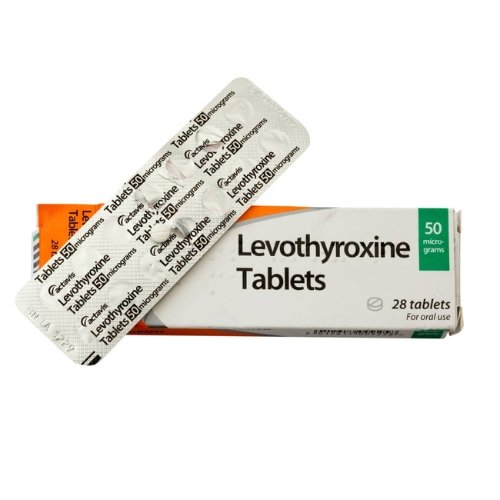
Levothyroxine

Price range: €120.00 through €820.00
Levothyroxine is the standard treatment for hypothyroidism and plays an essential role in replacing the thyroid hormone your body needs to function normally. When taken correctly and monitored with regular blood tests, it helps restore normal metabolism, improve energy levels, and support long-term health.
Levothyroxine: Uses, Dosage, Side Effects, Safety, and Frequently Asked Questions
What Is Levothyroxine?
Levothyroxine is a prescription medicine that contains a synthetic form of thyroxine (T4), a hormone naturally produced by the thyroid gland. It is used to treat hypothyroidism (underactive thyroid) and certain other thyroid-related conditions.
The thyroid gland helps regulate many important body functions, including metabolism, heart rate, body temperature, and energy levels. When the thyroid does not produce enough hormones, levothyroxine replaces the missing hormone and helps restore normal body function.
Levothyroxine is available in several tablet strengths, oral solutions, and injectable formulations for specific medical situations.
How Levothyroxine Works
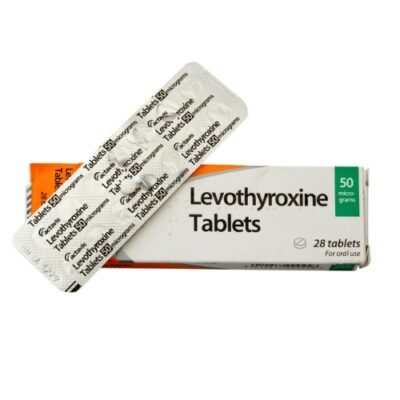
Levothyroxine replaces or supplements the thyroid hormone that your body is unable to produce in sufficient amounts.
Once absorbed, it is converted into the active hormone triiodothyronine (T3) in body tissues. This helps:
- Restore normal metabolism.
- Increase energy production.
- Support healthy heart function.
- Regulate body temperature.
- Maintain normal growth and development.
- Support proper brain and nervous system function.
Treatment aims to keep thyroid hormone levels within the normal range.
Levothyroxine Uses
Hypothyroidism
Levothyroxine is most commonly prescribed to treat hypothyroidism, which may occur due to:
- Autoimmune thyroid disease (such as Hashimoto’s thyroiditis).
- Thyroid surgery.
- Radioactive iodine treatment.
- Congenital hypothyroidism.
- Certain medications.
- Other thyroid disorders.
Replacing thyroid hormone helps relieve symptoms such as fatigue, weight gain, dry skin, constipation, cold intolerance, and slowed heart rate.
Thyroid Cancer
Levothyroxine may be prescribed after treatment for certain types of thyroid cancer to suppress thyroid-stimulating hormone (TSH), which can help reduce the risk of cancer recurrence.
Goitre
In selected cases, levothyroxine may be used to help manage certain types of thyroid enlargement (goitre) under specialist supervision.
Benefits of Levothyroxine
When taken correctly, levothyroxine may help:
- Restore normal thyroid hormone levels.
- Improve energy and reduce fatigue.
- Improve concentration and mental clarity.
- Normalize metabolism.
- Improve heart and muscle function.
- Reduce symptoms of hypothyroidism.
- Support healthy growth and development in children.
Levothyroxine Dosage
The correct dose depends on:
- Age.
- Body weight.
- Thyroid hormone levels.
- The condition being treated.
- Heart health.
- Pregnancy status.
- Individual response to treatment.
General guidance:
- Take exactly as prescribed.
- Your healthcare provider may adjust your dose based on regular blood tests.
- Do not change the dose without medical advice.
Many people require lifelong treatment.
How to Take Levothyroxine
For best results:
- Take levothyroxine once daily, preferably in the morning.
- Take it on an empty stomach, at least 30 to 60 minutes before breakfast.
- Swallow the tablet with a full glass of water.
- Take it at the same time every day.
Certain foods and supplements can reduce absorption. Your healthcare provider may recommend separating levothyroxine from calcium supplements, iron supplements, antacids, and some other medicines by several hours.
Missed Dose
If you miss a dose:
- Take it as soon as you remember if it is still the same day.
- If it is nearly time for your next dose, skip the missed dose.
- Do not take two doses together unless instructed by your healthcare provider.
Common Side Effects
When the correct dose is used, many people experience few or no side effects.
If the dose is too high, symptoms may resemble an overactive thyroid and include:
- Fast heartbeat.
- Palpitations.
- Nervousness.
- Tremor.
- Difficulty sleeping.
- Increased sweating.
- Weight loss.
- Increased appetite.
Contact your healthcare provider if these symptoms develop.
Serious Side Effects
Seek immediate medical attention if you experience:
- Chest pain.
- Severe shortness of breath.
- Irregular heartbeat.
- Severe allergic reactions.
- Fainting.
An excessively high dose may place extra strain on the heart, particularly in older adults or those with heart disease.
Safety Information
Before taking levothyroxine, tell your healthcare provider if you have:
- Heart disease.
- High blood pressure.
- Diabetes.
- Adrenal gland disorders.
- Osteoporosis.
- Pregnancy or plans to become pregnant.
Regular blood tests are important to ensure you are taking the correct dose.
Drug Interactions
Levothyroxine may interact with:
- Calcium supplements.
- Iron supplements.
- Antacids containing aluminium or magnesium.
- Cholestyramine.
- Sucralfate.
- Certain seizure medications.
- Warfarin.
- Some diabetes medicines.
Always inform your healthcare provider about all prescription medicines, over-the-counter products, vitamins, and herbal supplements you take.
Food Interactions
Certain foods may reduce levothyroxine absorption, including:
- Soy products.
- High-fibre foods.
- Coffee (when taken too close to the medication).
- Calcium-fortified foods.
Taking levothyroxine consistently under the same conditions each day helps maintain stable hormone levels.
Alcohol and Levothyroxine
There is no known major direct interaction between alcohol and levothyroxine.
However, maintaining overall good health and following your healthcare provider’s advice can help support effective thyroid treatment.
Pregnancy and Breastfeeding
Levothyroxine is often continued during pregnancy, and the dose may need adjustment because thyroid hormone requirements frequently increase.
It is generally considered compatible with breastfeeding when used as prescribed.
Regular thyroid function testing is especially important during pregnancy.
Storage
Store levothyroxine tablets:
- At room temperature.
- Away from heat, moisture, and direct sunlight.
- In the original container.
- Out of reach of children.
Do not use after the expiry date.
Frequently Asked Questions (FAQs)
What is levothyroxine used for?
Levothyroxine is mainly used to treat hypothyroidism and may also be used after thyroid cancer treatment or for certain thyroid disorders.
Is levothyroxine a lifelong medication?
Many people with permanent hypothyroidism require lifelong treatment, although this depends on the underlying cause.
When should I take levothyroxine?
It is usually taken once daily on an empty stomach, 30 to 60 minutes before breakfast.
Can I take levothyroxine with food?
Food can reduce absorption, so it is generally recommended to take levothyroxine before eating.
Why do I need regular blood tests?
Blood tests help ensure your thyroid hormone levels remain within the target range and allow your healthcare provider to adjust your dose if needed.
Can levothyroxine cause weight loss?
Levothyroxine is intended to restore normal thyroid hormone levels, not to promote weight loss. Taking more than prescribed can be harmful.
Can I take vitamins with levothyroxine?
Some vitamins and supplements, particularly those containing calcium or iron, may interfere with absorption. They should usually be taken several hours apart from levothyroxine.
Can children take levothyroxine?
Yes. Levothyroxine is commonly prescribed for children with congenital or acquired hypothyroidism, with dosing carefully determined by a healthcare provider.
What happens if I take too much levothyroxine?
Taking too much may cause symptoms of an overactive thyroid, including rapid heartbeat, nervousness, tremor, sweating, and chest pain. Seek immediate medical attention if a significant overdose is suspected.
Can I stop taking levothyroxine suddenly?
Do not stop taking levothyroxine without consulting your healthcare provider, as thyroid hormone levels may fall and symptoms of hypothyroidism can return.
Final Thoughts
Levothyroxine is the standard treatment for hypothyroidism and plays an essential role in replacing the thyroid hormone your body needs to function normally. When taken correctly and monitored with regular blood tests, it helps restore normal metabolism, improve energy levels, and support long-term health.
For the best results, take levothyroxine consistently on an empty stomach, attend regular follow-up appointments, and never adjust your dose without medical advice.
Medical Disclaimer: This article is for educational and informational purposes only and should not replace professional medical advice, diagnosis, or treatment. Always consult a qualified healthcare professional before starting, stopping, or changing any medication.
| Quantity | 30 Pills, 60 Pills, 120 Pills, 180 Pills, 200 Pills, 250 Pills, 300 Pills, 400 Pills, 500 Pills |
|---|
Be the first to review “Levothyroxine”
Related products

Drugs
Drugs
Drugs
Drugs
Drugs
Drugs
Drugs

Drugs
Reviews
There are no reviews yet.