
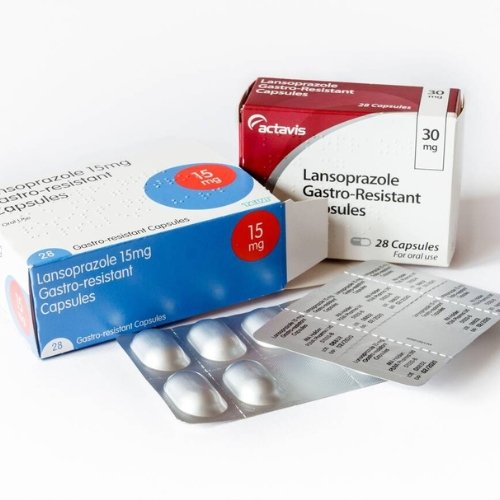
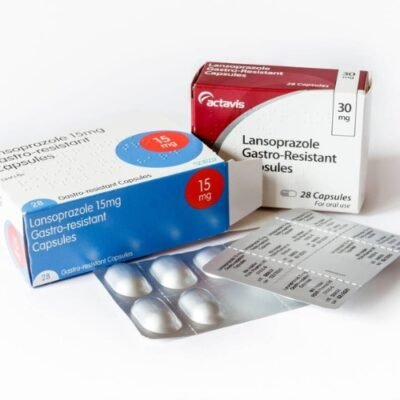
Lansoprazole 15mg
Price range: €120.00 through €820.00
Lansoprazole 15 mg is an effective proton pump inhibitor used to reduce stomach acid and treat conditions such as GERD, heartburn, stomach ulcers, and acid-related digestive disorders. It helps relieve symptoms while allowing the stomach and oesophagus to heal.
Lansoprazole 15 mg: Uses, Dosage, Side Effects, Safety, and Frequently Asked Questions
What Is Lansoprazole 15 mg?
Lansoprazole 15 mg is a prescription and over-the-counter medicine that belongs to a group of medicines called proton pump inhibitors (PPIs). It is used to reduce the amount of acid produced by the stomach and to treat a variety of acid-related digestive conditions.
Lansoprazole helps relieve symptoms such as heartburn, acid reflux, and indigestion, while also allowing damaged tissue in the oesophagus and stomach to heal.
It is available as:
- Delayed-release capsules.
- Orally disintegrating tablets (in some countries).
- Oral suspension or dispersible formulations for certain patients.
The 15 mg strength is commonly used for mild acid reflux, heartburn, maintenance therapy, or as directed by a healthcare professional.
How Lansoprazole Works
Lansoprazole works by blocking the proton pumps in the stomach lining that produce stomach acid.
By reducing acid production, it helps:
- Relieve heartburn and acid reflux.
- Allow stomach and oesophageal ulcers to heal.
- Protect the stomach lining from acid damage.
- Reduce irritation caused by excessive stomach acid.
Unlike antacids, which neutralize existing stomach acid, lansoprazole reduces the amount of acid the stomach produces.
Lansoprazole 15 mg Uses
Gastroesophageal Reflux Disease (GERD)
Lansoprazole is commonly prescribed to treat GERD, helping relieve symptoms such as:
- Frequent heartburn.
- Acid regurgitation.
- Chest discomfort caused by acid reflux.
- Difficulty swallowing related to oesophageal irritation.
Heartburn and Acid Indigestion
Lansoprazole may help relieve:
- Persistent heartburn.
- Acid indigestion.
- Sour taste caused by stomach acid reflux.
Stomach and Duodenal Ulcers
Lansoprazole may be used to:
- Treat stomach ulcers.
- Treat duodenal ulcers.
- Promote healing of the digestive tract.
Prevention of Ulcers
People taking long-term non-steroidal anti-inflammatory drugs (NSAIDs) may be prescribed lansoprazole to help reduce the risk of stomach ulcers.
Zollinger-Ellison Syndrome
Lansoprazole may also be prescribed for Zollinger-Ellison syndrome, a rare condition that causes excessive stomach acid production.
Benefits of Lansoprazole 15 mg
When used as prescribed, lansoprazole may help:
- Reduce stomach acid production.
- Relieve heartburn and acid reflux.
- Heal stomach and oesophageal ulcers.
- Prevent ulcer recurrence in some people.
- Improve symptoms associated with acid-related digestive disorders.
Lansoprazole 15 mg Dosage
The appropriate dose depends on:
- The condition being treated.
- Age.
- Medical history.
- Response to treatment.
- Other medications being taken.
General guidance:
- Take exactly as prescribed.
- Do not exceed the recommended dose.
- Continue treatment for the prescribed duration, even if symptoms improve.
How to Take Lansoprazole 15 mg
For best results:
- Take lansoprazole before a meal, preferably in the morning.
- Swallow capsules whole with water.
- Do not crush or chew delayed-release capsules.
- If using orally disintegrating tablets, follow the product instructions carefully.
Taking lansoprazole at the same time each day may help improve its effectiveness.
Missed Dose
If you miss a dose:
- Take it as soon as you remember.
- Skip it if it is nearly time for your next dose.
- Do not take two doses at the same time.
Common Side Effects
Common side effects may include:
- Headache.
- Nausea.
- Diarrhoea.
- Constipation.
- Stomach pain.
- Gas (flatulence).
- Dizziness.
These side effects are generally mild and often improve as treatment continues.
Serious Side Effects
Seek medical attention if you experience:
- Severe allergic reactions.
- Persistent severe diarrhoea.
- Severe abdominal pain.
- Difficulty swallowing that worsens.
- Signs of kidney problems, such as reduced urination or swelling.
- Symptoms of low magnesium levels, including muscle cramps, tremors, or irregular heartbeat.
Long-term use of proton pump inhibitors may be associated with an increased risk of vitamin B12 deficiency, low magnesium levels, and certain bone fractures in some individuals.
Safety Information
Before taking lansoprazole, tell your healthcare provider if you have:
- Liver disease.
- Osteoporosis.
- Low magnesium levels.
- Vitamin B12 deficiency.
- Lupus.
- Persistent or unexplained digestive symptoms.
Seek medical advice if you experience unintended weight loss, difficulty swallowing, vomiting blood, or black stools, as these may require prompt evaluation.
Drug Interactions
Lansoprazole may interact with:
- Warfarin.
- Digoxin.
- Methotrexate.
- Certain antifungal medicines.
- HIV medicines.
- Clopidogrel (in some cases).
- Iron supplements, as reduced stomach acid may affect absorption.
Always tell your healthcare provider about all medicines and supplements you take.
Alcohol and Lansoprazole
Alcohol does not directly interact with lansoprazole, but it may:
- Increase stomach irritation.
- Worsen acid reflux.
- Delay healing of ulcers.
Limiting alcohol may help improve digestive symptoms.
Pregnancy and Breastfeeding
If you are pregnant, planning pregnancy, or breastfeeding:
- Discuss lansoprazole use with your healthcare provider.
- Treatment should only be used when the potential benefits outweigh any potential risks.
Storage
Store lansoprazole:
- At room temperature.
- Away from moisture and excessive heat.
- In the original packaging.
- Out of reach of children.
Do not use after the expiry date.
Frequently Asked Questions (FAQs)
What is Lansoprazole 15 mg used for?
Lansoprazole 15 mg is used to treat acid reflux, GERD, heartburn, stomach ulcers, and other conditions caused by excess stomach acid.
Is lansoprazole an antacid?
No. Lansoprazole is a proton pump inhibitor that reduces acid production rather than neutralizing existing stomach acid.
How long does lansoprazole take to work?
Some people notice symptom improvement within a few days, but full healing of ulcers or oesophageal irritation may take several weeks.
Can I take lansoprazole every day?
Yes, if prescribed by your healthcare provider. Follow the recommended treatment duration.
Should lansoprazole be taken before or after food?
It is usually taken before meals, preferably before breakfast, for the best effect.
Can lansoprazole be used long term?
Some people require long-term treatment, but prolonged use should be reviewed regularly because of potential risks.
Can I stop taking lansoprazole suddenly?
Many people can stop safely, but those on long-term treatment should consult their healthcare provider, as some may experience temporary rebound acid production.
Can children take lansoprazole?
Yes. Lansoprazole may be prescribed for children in certain situations, with dosing determined by age, weight, and the condition being treated.
What happens if I take too much lansoprazole?
An overdose may increase the likelihood of side effects such as dizziness, confusion, stomach discomfort, or drowsiness. Seek medical advice if an overdose is suspected.
Does lansoprazole cure GERD?
Lansoprazole helps control symptoms and promotes healing, but GERD may require ongoing lifestyle changes and, in some cases, long-term treatment.
Final Thoughts
Lansoprazole 15 mg is an effective proton pump inhibitor used to reduce stomach acid and treat conditions such as GERD, heartburn, stomach ulcers, and acid-related digestive disorders. It helps relieve symptoms while allowing the stomach and oesophagus to heal.
For the best results, take lansoprazole exactly as prescribed, preferably before meals, and attend regular medical reviews if long-term treatment is needed. Speak with your healthcare provider if symptoms persist or worsen despite treatment.
Medical Disclaimer: This article is for educational and informational purposes only and should not replace professional medical advice, diagnosis, or treatment. Always consult a qualified healthcare professional before starting, stopping, or changing any medication.
| Quantity | 30 Pills, 60 Pills, 120 Pills, 180 Pills, 200 Pills, 250 Pills, 300 Pills, 400 Pills, 500 Pills |
|---|
Be the first to review “Lansoprazole 15mg”
Related products
Drugs
Drugs
Drugs
Drugs
Drugs
Drugs

Drugs
Reviews
There are no reviews yet.