
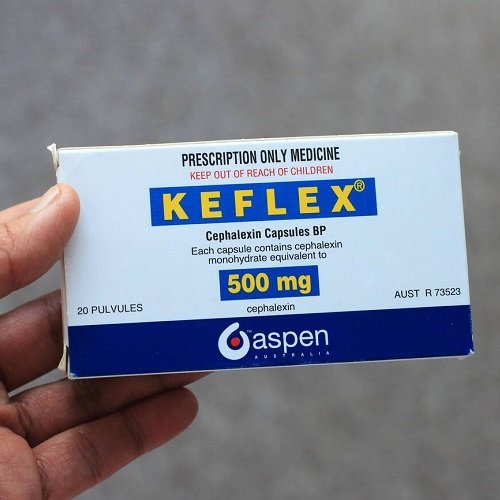

Keflex 500 mg: Uses, Dosage, Side Effects, Safety, and Frequently Asked Questions
What Is Keflex 500 mg?
Keflex 500 mg is a prescription antibiotic containing cephalexin, a medicine that belongs to the cephalosporin class of antibiotics. It is used to treat a variety of bacterial infections by stopping bacteria from building a protective cell wall, which prevents them from growing and multiplying.
Keflex is available as:
- Capsules.
- Tablets (in some regions).
- Oral liquid suspension.
It is commonly prescribed for infections affecting the skin, respiratory system, urinary tract, and other areas of the body when caused by bacteria that are sensitive to cephalexin.
How Keflex Works

Cephalexin works by:
- Blocking the formation of bacterial cell walls.
- Weakening bacteria so they cannot survive.
- Stopping bacterial growth and spread.
- Helping the immune system clear the infection.
Keflex does not work against viral infections such as:
- Common colds.
- Influenza (flu).
- Most viral sore throats.
Keflex 500 mg Uses
Skin and Soft Tissue Infections
Keflex may be used to treat bacterial skin infections such as:
- Cellulitis.
- Infected wounds.
- Skin infections caused by susceptible bacteria.
- Certain abscess-related infections when appropriate.
Respiratory Tract Infections
It may be prescribed for some bacterial infections involving:
- Throat infections.
- Tonsillitis.
- Ear infections.
- Certain chest infections.
Urinary Tract Infections (UTIs)
Keflex may be used to treat certain UTIs, including infections affecting the:
- Bladder.
- Urinary system.
The choice of antibiotic depends on the bacteria involved and local resistance patterns.
Bone and Joint Infections
In some cases, cephalexin may be used as part of treatment for certain bacterial infections involving bones or joints.
Benefits of Keflex 500 mg
When prescribed appropriately, Keflex may help:
- Eliminate bacterial infections.
- Reduce infection symptoms.
- Prevent the spread of infection.
- Support recovery.
- Lower the risk of complications from untreated bacterial infections.
Keflex 500 mg Dosage
The correct dose depends on:
- The type and severity of infection.
- Age and body weight.
- Kidney function.
- Medical history.
- Response to treatment.
General guidance:
- Take exactly as prescribed by your healthcare provider.
- Complete the full course of antibiotics, even if symptoms improve.
- Take doses at evenly spaced times when possible.
- Do not save leftover antibiotics for future illnesses.
Never adjust the dose without medical advice.
How to Take Keflex 500 mg
For best results:
- Swallow capsules with water.
- Take with or without food unless advised otherwise.
- If stomach upset occurs, taking it with food may help.
- Take the medicine at the same times each day.
If using an oral liquid form, shake well before measuring each dose.
Missed Dose
If you miss a dose:
- Take it when you remember.
- Skip it if it is almost time for the next dose.
- Do not take two doses together.
Try to maintain the prescribed schedule to keep effective antibiotic levels in the body.
Common Side Effects
Possible side effects include:
- Nausea.
- Vomiting.
- Diarrhoea.
- Stomach pain.
- Indigestion.
- Mild skin rash.
- Headache.
Most side effects are mild and improve after treatment ends.
Serious Side Effects
Seek urgent medical attention if you experience:
- Severe allergic reactions.
- Difficulty breathing.
- Swelling of the face, lips, tongue, or throat.
- Severe or persistent diarrhoea.
- Blood or mucus in stools.
- Severe skin reactions.
- Unusual bruising or bleeding.
Antibiotic-Associated Diarrhoea
Like many antibiotics, Keflex can disrupt normal bacteria in the gut and may cause diarrhoea.
Contact a healthcare professional if diarrhoea:
- Is severe.
- Contains blood.
- Continues after finishing treatment.
- Is accompanied by fever or abdominal pain.
Safety Information
Before taking Keflex, tell your healthcare provider if you have:
- An allergy to cephalexin.
- A serious reaction to penicillin antibiotics.
- Kidney disease.
- A history of severe antibiotic-related diarrhoea.
People with certain allergies may need alternative antibiotics.
Drug Interactions
Keflex may interact with:
- Warfarin and other blood thinners.
- Metformin (in some cases).
- Certain vaccines.
- Other medicines that affect kidney function.
Always tell your healthcare provider about all prescription medicines, over-the-counter products, vitamins, and supplements you use.
Alcohol and Keflex
Alcohol does not usually cause a direct interaction with cephalexin, but alcohol may:
- Worsen nausea or stomach upset.
- Slow recovery from illness.
- Make it harder to notice worsening symptoms.
It is best to follow your healthcare provider’s advice while recovering from infection.
Pregnancy and Breastfeeding
If you are pregnant, planning pregnancy, or breastfeeding, inform your healthcare provider before taking Keflex.
Cephalexin is commonly used during pregnancy when medically appropriate, but treatment decisions should always be made with professional guidance.
Storage
Store Keflex:
- At room temperature.
- Away from moisture and heat.
- In the original packaging.
- Out of reach of children.
If using liquid suspension, follow the storage instructions provided with the product.
Do not use after the expiry date.
Frequently Asked Questions (FAQs)
What is Keflex 500 mg used for?
Keflex 500 mg is used to treat bacterial infections, including certain skin infections, urinary tract infections, and respiratory infections.
Is Keflex a strong antibiotic?
Keflex is an effective antibiotic for many bacterial infections when the bacteria causing the infection are sensitive to cephalexin.
How quickly does Keflex start working?
Some symptoms may improve within a few days, but improvement depends on the type and severity of infection.
Can I stop Keflex when I feel better?
No. Complete the prescribed course unless your healthcare provider tells you to stop.
Can Keflex treat a cold or flu?
No. Keflex treats bacterial infections and does not work against viruses.
Can Keflex cause diarrhoea?
Yes. Diarrhoea is a common side effect of many antibiotics, including cephalexin.
Can I take Keflex with food?
Yes. Keflex can usually be taken with or without food. Food may help reduce stomach upset.
Is Keflex related to penicillin?
Keflex is a cephalosporin antibiotic. Some people with serious penicillin allergies may also react to cephalosporins, so always inform your healthcare provider about allergies.
Can children take Keflex?
Yes, cephalexin may be prescribed for children, but the dose depends on the child’s weight, age, and infection type.
What happens if I take too much Keflex?
Taking too much may cause nausea, vomiting, stomach discomfort, diarrhoea, or other symptoms. Seek medical advice if an overdose is suspected.
Final Thoughts
Keflex 500 mg (cephalexin) is a commonly prescribed antibiotic used to treat a range of bacterial infections. It works by damaging bacterial cell walls, helping the body eliminate infection.
For safe and effective treatment, use Keflex only as prescribed, complete the full course, and avoid using antibiotics for viral illnesses. If symptoms worsen or serious side effects occur, seek medical advice promptly.
Medical Disclaimer: This article is for educational and informational purposes only and should not replace professional medical advice, diagnosis, or treatment. Always consult a qualified healthcare professional before starting, stopping, or changing any medication.
| Quantity | 30 Pills, 60 Pills, 120 Pills, 180 Pills, 200 Pills, 250 Pills, 300 Pills, 400 Pills, 500 Pills |
|---|
Be the first to review “Keflex 500mg”
Related products
Drugs
Drugs

Drugs
Drugs
Drugs
Drugs

Drugs
Reviews
There are no reviews yet.