
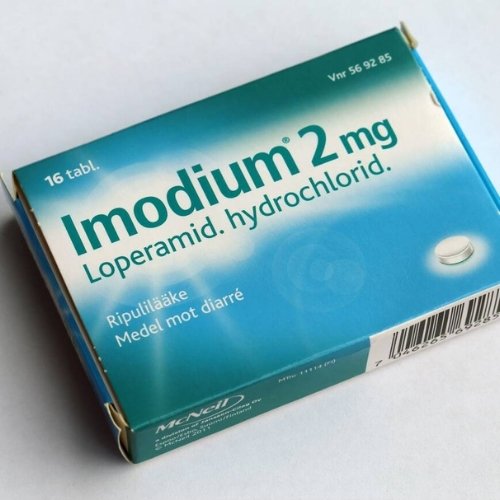
Imodium 2mg

Price range: €120.00 through €820.00
Imodium 2 mg (loperamide) is an effective medicine for the short-term relief of diarrhoea by slowing bowel movement and improving stool consistency. It can help reduce the frequency of bowel movements and improve comfort while the underlying illness resolves.
Imodium 2 mg: Uses, Dosage, Side Effects, Safety, and Frequently Asked Questions
What Is Imodium 2 mg?
Imodium 2 mg is an over-the-counter and prescription medicine containing loperamide hydrochloride, an antidiarrhoeal medication used to treat acute (short-term) diarrhoea and help manage certain types of chronic diarrhoea under medical supervision.
Loperamide works by slowing the movement of the intestines, allowing more water and electrolytes to be absorbed from the stool. This helps reduce the frequency of bowel movements and makes stools firmer.
Imodium 2 mg is commonly available as:
- Capsules
- Tablets
- Orodispersible (melt-in-the-mouth) tablets (in some countries)
How Imodium Works
During diarrhoea, food and fluids pass through the intestines too quickly, reducing the amount of water absorbed.
Loperamide works by:
- Slowing intestinal muscle contractions.
- Allowing more water and salts to be absorbed.
- Reducing the number of bowel movements.
- Making stools firmer.
- Helping relieve the urgent need to use the toilet.
It treats the symptoms of diarrhoea but does not treat the underlying cause, such as a bacterial or viral infection.
Imodium 2 mg Uses
Acute Diarrhoea
Imodium is commonly used for short-term diarrhoea caused by:
- Viral gastroenteritis.
- Mild food-related illness.
- Changes in diet.
- Traveller’s diarrhoea (when appropriate and advised by a healthcare professional).
Chronic Diarrhoea
Healthcare providers may prescribe loperamide for long-term diarrhoea associated with certain medical conditions, including some bowel disorders.
Ileostomy Management
People with an ileostomy may sometimes use loperamide under medical supervision to reduce stoma output and improve stool consistency.
Benefits of Imodium 2 mg
When used correctly, Imodium may help:
- Reduce the frequency of diarrhoea.
- Improve stool consistency.
- Decrease bowel urgency.
- Improve comfort while recovering.
- Support daily activities during short-term diarrhoea.
Imodium 2 mg Dosage
The appropriate dose depends on:
- Age.
- The cause of diarrhoea.
- Medical history.
- The specific product being used.
- Healthcare provider recommendations.
General guidance:
- Take exactly as directed on the product label or by your healthcare provider.
- Do not exceed the recommended maximum daily dose.
- Drink plenty of fluids to replace those lost through diarrhoea.
- Oral rehydration solutions may be recommended, especially for children, older adults, or people at risk of dehydration.
Do not continue using Imodium for longer than recommended without medical advice.
How to Take Imodium 2 mg
For best results:
- Swallow capsules or tablets with water.
- Follow the dosing instructions carefully.
- Continue drinking fluids throughout the day.
- Resume a normal diet as tolerated.
If diarrhoea persists beyond the period recommended in the product instructions or becomes severe, seek medical advice.
Missed Dose
Imodium is usually taken as needed, so missed doses are generally not an issue.
If you are taking it on a prescribed schedule:
- Take the missed dose when you remember.
- Skip it if it is nearly time for the next dose.
- Do not take two doses together.
Common Side Effects
Possible side effects include:
- Constipation.
- Stomach cramps.
- Nausea.
- Dizziness.
- Drowsiness.
- Dry mouth.
- Gas (flatulence).
Most side effects are mild and temporary.
Serious Side Effects
Seek immediate medical attention if you experience:
- Severe allergic reactions.
- Swelling of the face or throat.
- Severe abdominal pain or swelling.
- Blood in the stool.
- High fever with diarrhoea.
- Persistent constipation with abdominal swelling.
- Fainting or irregular heartbeat.
These symptoms may indicate a more serious condition requiring urgent medical evaluation.
Preventing Dehydration
Diarrhoea can lead to dehydration, particularly in young children, older adults, and people with chronic illnesses.
Signs of dehydration include:
- Increased thirst.
- Dry mouth.
- Dark urine.
- Reduced urination.
- Dizziness.
- Fatigue.
Replacing lost fluids and electrolytes is an important part of diarrhoea treatment.
Safety Information
Before taking Imodium, tell your healthcare provider if you have:
- Bloody diarrhoea.
- High fever.
- Severe abdominal pain.
- Ulcerative colitis.
- Liver disease.
- HIV infection.
- A history of bowel obstruction.
Imodium should not be used in some types of infectious diarrhoea or when slowing the bowel could worsen the condition.
Drug Interactions
Imodium may interact with:
- Certain antibiotics.
- Antifungal medicines.
- Some antiviral medicines.
- Medicines that affect heart rhythm.
- Other medicines that slow intestinal movement.
Always inform your healthcare provider or pharmacist about all medicines and supplements you are taking.
Alcohol and Imodium
Alcohol does not have a major direct interaction with loperamide, but it may:
- Worsen dehydration.
- Increase dizziness or drowsiness.
- Irritate the digestive system.
It is generally advisable to avoid alcohol while recovering from diarrhoea.
Pregnancy and Breastfeeding
If you are pregnant, planning pregnancy, or breastfeeding, speak with your healthcare provider before using Imodium.
Your healthcare provider will help determine whether it is appropriate for your individual situation.
Storage
Store Imodium:
- At room temperature.
- Away from moisture and heat.
- In the original packaging.
- Out of the reach of children.
Do not use after the expiry date.
Frequently Asked Questions (FAQs)
What is Imodium 2 mg used for?
Imodium 2 mg is used to relieve acute diarrhoea and, under medical supervision, to help manage certain types of chronic diarrhoea.
Is Imodium an antibiotic?
No. Imodium contains loperamide, which slows bowel movement. It does not kill bacteria or treat infections.
How quickly does Imodium work?
Many people notice improvement within a few hours, although the response varies depending on the cause of the diarrhoea.
Can Imodium stop diarrhoea completely?
It helps reduce bowel movements and improve stool consistency, but it does not treat the underlying cause of diarrhoea.
Can I take Imodium with food?
Yes. It can generally be taken with or without food.
Should I drink extra fluids while taking Imodium?
Yes. Replacing lost fluids and electrolytes is important during episodes of diarrhoea.
Can children take Imodium?
Some loperamide products have age restrictions. Always follow the product label and seek healthcare advice before giving Imodium to a child.
When should I avoid taking Imodium?
Do not use Imodium if you have bloody diarrhoea, high fever with diarrhoea, or severe abdominal swelling unless advised by a healthcare professional.
Can Imodium cause constipation?
Yes. Constipation is one of the most common side effects.
What happens if I take too much Imodium?
An overdose can be serious and may cause severe constipation, bowel obstruction, drowsiness, breathing problems, or dangerous heart rhythm abnormalities. Seek emergency medical attention immediately if an overdose is suspected.
Final Thoughts
Imodium 2 mg (loperamide) is an effective medicine for the short-term relief of diarrhoea by slowing bowel movement and improving stool consistency. It can help reduce the frequency of bowel movements and improve comfort while the underlying illness resolves.
Because diarrhoea can sometimes be a sign of a more serious condition, it is important to seek medical advice if symptoms are severe, persistent, associated with fever or blood in the stool, or if signs of dehydration develop. Always use Imodium according to the product instructions or your healthcare provider’s advice.
Medical Disclaimer: This article is for educational and informational purposes only and should not replace professional medical advice, diagnosis, or treatment. Always consult a qualified healthcare professional before starting, stopping, or changing any medication.
| Quantity | 30 Pills, 60 Pills, 120 Pills, 180 Pills, 200 Pills, 250 Pills, 300 Pills, 400 Pills, 500 Pills |
|---|
Be the first to review “Imodium 2mg”
Related products

Drugs

Drugs
Drugs

Drugs
Drugs
Drugs

Drugs
Drugs
Reviews
There are no reviews yet.