
Trazodone 50 mg: Uses, Dosage, Side Effects, Safety, and Frequently Asked Questions
What Is Trazodone 50 mg?
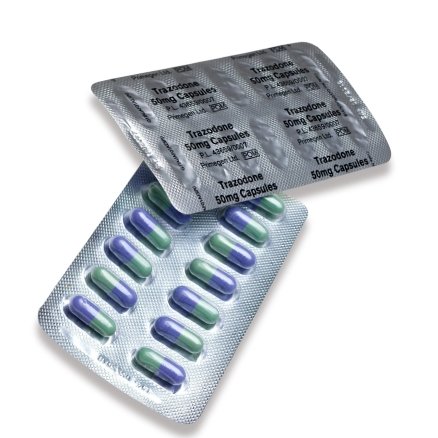
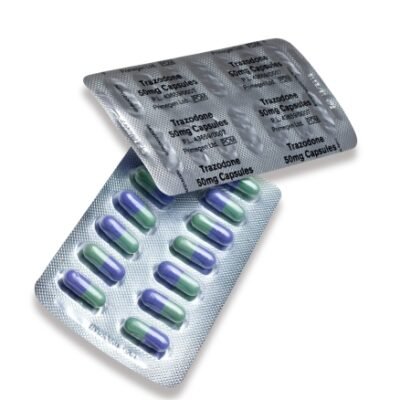
Trazodone 50 mg is a prescription antidepressant commonly used to treat major depressive disorder (MDD). It belongs to a class of medicines known as serotonin antagonist and reuptake inhibitors (SARIs).
In addition to treating depression, healthcare providers may prescribe trazodone for other conditions, such as sleep problems or anxiety, when they believe it is appropriate. These uses may vary depending on local clinical guidelines and individual patient needs.
Trazodone is available in several strengths, including:
- 50 mg tablets
- 100 mg tablets
- 150 mg tablets
- 300 mg tablets
- Extended-release formulations (in some countries)
How Trazodone Works
Trazodone increases the activity of serotonin, a neurotransmitter involved in regulating mood, sleep, and emotional well-being.
It works by:
- Reducing serotonin reuptake.
- Blocking certain serotonin receptors.
- Producing calming effects that may improve sleep in some people.
These actions can help relieve symptoms of depression and, in some cases, improve sleep quality.
Trazodone 50 mg Uses
Major Depressive Disorder (Depression)
Trazodone is approved for the treatment of depression in adults.
Sleep Problems
Healthcare providers sometimes prescribe low-dose trazodone to help manage insomnia. This is an off-label use in many countries, meaning it is based on clinical judgment rather than a specific regulatory approval.
Anxiety Symptoms
In some situations, trazodone may be prescribed to help with anxiety symptoms associated with depression or other conditions.
Benefits of Trazodone 50 mg
When taken as prescribed, Trazodone may help:
- Improve symptoms of depression.
- Enhance mood.
- Improve sleep quality in some people.
- Reduce anxiety associated with depression.
- Improve overall daily functioning.
Trazodone 50 mg Dosage
The appropriate dose depends on:
- The condition being treated.
- Age.
- Overall health.
- Other medications.
- Individual response.
General guidance:
- Take exactly as prescribed.
- Do not change your dose without consulting your healthcare provider.
- If prescribed for depression, your healthcare provider may gradually adjust the dose based on your response.
How to Take Trazodone
For best results:
- Take the medication exactly as directed.
- It is often recommended to take trazodone after a meal or light snack to help reduce stomach upset and improve absorption.
- Swallow the tablet with water.
- Take it at the same time each day.
- If the medication makes you sleepy, your healthcare provider may recommend taking it in the evening.
Missed Dose
If you miss a dose:
- Take it when you remember.
- If it is almost time for your next dose, skip the missed dose.
- Do not take two doses together.
Common Side Effects
Common side effects may include:
- Drowsiness.
- Dizziness.
- Dry mouth.
- Headache.
- Blurred vision.
- Nausea.
- Constipation.
These effects may lessen as your body adjusts to the medication.
Serious Side Effects
Seek immediate medical attention if you experience:
- Thoughts of self-harm or worsening depression, especially when starting treatment or after dose changes.
- Severe allergic reaction.
- Fainting.
- Fast or irregular heartbeat.
- Painful or prolonged erection lasting more than four hours (priapism), which requires emergency treatment.
- Symptoms of serotonin syndrome, such as agitation, fever, muscle stiffness, rapid heartbeat, or confusion.
Safety Information
Before taking Trazodone, tell your healthcare provider if you have:
- Heart disease.
- Liver disease.
- Kidney disease.
- Bipolar disorder.
- A history of seizures.
- Glaucoma.
- Pregnancy or plans to become pregnant.
- Breastfeeding.
Trazodone may increase the risk of drowsiness and falls, particularly in older adults.
Drug Interactions
Trazodone may interact with:
- Other antidepressants.
- Monoamine oxidase inhibitors (MAOIs).
- Certain migraine medicines that affect serotonin.
- Opioid pain medicines.
- Sleeping tablets.
- Benzodiazepines.
- Blood thinners.
- Certain antifungal medicines.
- Some antibiotics.
Always tell your healthcare provider about all prescription medicines, over-the-counter medicines, vitamins, and herbal supplements you use.
Alcohol and Trazodone
Avoid drinking alcohol while taking trazodone.
Alcohol can increase:
- Drowsiness.
- Dizziness.
- Impaired judgment.
- The risk of falls and accidents.
Pregnancy and Breastfeeding
If you are pregnant, planning pregnancy, or breastfeeding:
- Discuss the benefits and risks of trazodone with your healthcare provider.
- Do not stop taking trazodone suddenly without medical advice, particularly if you are using it to treat depression.
Storage
Store Trazodone tablets:
- At room temperature.
- Away from heat and moisture.
- In the original packaging.
- Out of reach of children.
Frequently Asked Questions (FAQs)
What is Trazodone 50 mg used for?
Trazodone 50 mg is used to treat depression and may also be prescribed to help with sleep problems or anxiety in certain situations.
Is Trazodone a sleeping pill?
No. Trazodone is an antidepressant. However, because it can cause drowsiness, healthcare providers sometimes prescribe it off-label to help with insomnia.
How long does Trazodone take to work?
Its sedative effect may occur within hours of a dose, but improvement in depression usually takes several weeks of regular treatment.
Can Trazodone cause weight gain?
Some people may experience weight changes while taking trazodone, but significant weight gain is less common than with some other antidepressants.
Can I drive after taking Trazodone?
Trazodone may cause drowsiness or dizziness. Avoid driving or operating machinery until you know how it affects you.
Can Trazodone be stopped suddenly?
No. If you have been taking trazodone regularly, your healthcare provider will usually recommend gradually reducing the dose to lower the risk of withdrawal symptoms.
Can older adults take Trazodone?
Yes, but they may be more sensitive to side effects such as dizziness, low blood pressure, and falls. Careful monitoring may be needed.
What happens if I take too much Trazodone?
An overdose may cause severe drowsiness, vomiting, irregular heartbeat, seizures, breathing problems, or loss of consciousness. Seek emergency medical attention immediately if an overdose is suspected.
Does Trazodone cure depression?
Trazodone helps manage symptoms of depression, but treatment usually works best when combined with appropriate follow-up care, lifestyle measures, and, when recommended, psychological therapy.
Final Thoughts
Trazodone 50 mg is an effective antidepressant that can help improve symptoms of depression and, in some cases, sleep problems. Like all antidepressants, it should be taken exactly as prescribed and requires regular follow-up with a healthcare provider to monitor effectiveness and side effects.
Do not stop taking trazodone abruptly, avoid alcohol while using it, and seek immediate medical attention if you develop severe side effects or worsening mood symptoms.
Medical Disclaimer: This article is for educational and informational purposes only and should not replace professional medical advice, diagnosis, or treatment. Always consult a qualified healthcare professional before starting, stopping, or changing any medication.
| Quantity | 30 Pills, 60 Pills, 120 Pills, 180 Pills, 200 Pills, 250 Pills, 300 Pills, 400 Pills, 500 Pills |
|---|
Be the first to review “Trazodone 50mg”
Related products
Drugs
Drugs
Drugs
Drugs
Drugs

Drugs
Drugs
Drugs
Reviews
There are no reviews yet.