
Solifenacin 10 mg: Uses, Dosage, Side Effects, Safety, and Frequently Asked Questions
What Is Solifenacin 10 mg?
Solifenacin 10 mg is a prescription medication used to treat symptoms of overactive bladder (OAB). It belongs to a group of medicines called antimuscarinic (anticholinergic) agents.
Solifenacin works by relaxing the bladder muscles, helping the bladder store urine more effectively and reducing sudden urges to urinate.
It is available in strengths such as:
- 5 mg tablets
- 10 mg tablets
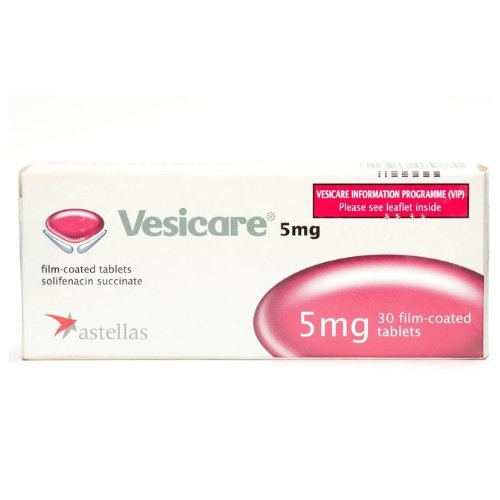
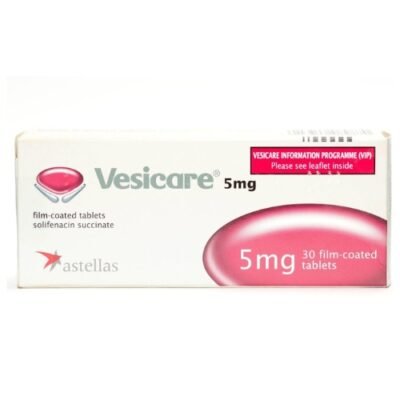
Solifenacin may be sold under the brand name Vesicare in some countries.
How Solifenacin Works
The bladder muscle is controlled partly by chemical signals involving muscarinic receptors.
Solifenacin blocks these signals, which helps:
- Relax the bladder muscle.
- Increase bladder storage capacity.
- Reduce involuntary bladder contractions.
- Decrease urgency and frequency of urination.
Solifenacin 10 mg Uses
Solifenacin is mainly used for:
Overactive Bladder (OAB)
It helps treat symptoms such as:
- Sudden urge to urinate.
- Frequent urination.
- Urge urinary incontinence (accidental urine leakage caused by urgency).
- Increased nighttime urination.
Benefits of Solifenacin 10 mg
When used as prescribed, Solifenacin may help:
- Reduce urinary urgency.
- Decrease bladder spasms.
- Reduce episodes of urine leakage.
- Improve bladder control.
- Improve quality of life for people with overactive bladder symptoms.
Solifenacin 10 mg Dosage
The appropriate dose depends on:
- Severity of symptoms.
- Age.
- Kidney and liver function.
- Other medications.
- Individual response.
General guidance:
- Take exactly as prescribed.
- Solifenacin is usually taken once daily.
- Do not increase the dose without medical advice.
How to Take Solifenacin
For best results:
- Take once daily with water.
- It can be taken with or without food.
- Swallow the tablet whole.
- Take it at the same time each day.
Missed Dose
If you miss a dose:
- Take it when you remember.
- If it is almost time for your next dose, skip the missed dose.
- Do not take two doses together.
Common Side Effects
Common side effects may include:
- Dry mouth.
- Constipation.
- Blurred vision.
- Dizziness.
- Nausea.
- Stomach discomfort.
- Fatigue.
Serious Side Effects
Seek medical attention if you experience:
- Difficulty passing urine or inability to urinate.
- Severe abdominal pain.
- Severe allergic reactions.
- Confusion, especially in older adults.
- Severe eye pain or vision changes (possible glaucoma-related symptoms).
- Fast or irregular heartbeat.
Safety Information
Before taking Solifenacin, tell your healthcare provider if you have:
- Urinary retention problems.
- Severe constipation.
- Narrow-angle glaucoma.
- Stomach or intestinal blockage.
- Severe kidney disease.
- Severe liver disease.
- Heart rhythm problems.
- Pregnancy or plans to become pregnant.
- Breastfeeding.
Older adults may be more sensitive to anticholinergic side effects such as confusion, dizziness, and constipation.
Drug Interactions
Solifenacin may interact with:
- Other anticholinergic medicines.
- Certain antifungal medicines.
- Some antibiotics.
- Medicines affecting heart rhythm.
- Some medicines used for HIV treatment.
- Other bladder medications.
Always inform your healthcare provider about all prescription medicines, over-the-counter products, vitamins, and supplements you take.
Alcohol and Solifenacin
Alcohol may increase:
- Dizziness.
- Sleepiness.
- Reduced concentration.
Use caution with alcohol while taking Solifenacin.
Pregnancy and Breastfeeding
If you are pregnant, planning pregnancy, or breastfeeding:
- Discuss Solifenacin use with your healthcare provider.
- Your provider will consider the potential benefits and risks before recommending treatment.
Storage
Store Solifenacin tablets:
- At room temperature.
- Away from moisture and heat.
- In the original packaging.
- Out of reach of children.
Frequently Asked Questions (FAQs)
What is Solifenacin 10 mg used for?
Solifenacin 10 mg is used to treat overactive bladder symptoms, including urgency, frequent urination, and urge incontinence.
Is Solifenacin a diuretic (water pill)?
No. Solifenacin does not increase urine production. It works by relaxing the bladder muscle.
Is Solifenacin the same as Vesicare?
Yes. Vesicare is a brand name for solifenacin.
How long does Solifenacin take to work?
Some people notice improvement within a few weeks, but maximum benefits may take several weeks of regular use.
Can Solifenacin cure overactive bladder?
No. It helps control symptoms but does not cure the underlying causes of overactive bladder.
Can Solifenacin cause constipation?
Yes. Constipation is one of the most common side effects because the medicine reduces muscle activity in the digestive system.
Can older adults take Solifenacin?
Yes, but older adults may be more likely to experience side effects such as confusion, dizziness, constipation, and dry mouth.
Can men take Solifenacin?
Yes. Men with overactive bladder symptoms may use Solifenacin when prescribed. Those with prostate-related urinary problems may require evaluation.
What happens if I take too much Solifenacin?
Taking too much may cause severe dry mouth, blurred vision, dizziness, confusion, fast heartbeat, or difficulty urinating. Seek medical advice if an overdose is suspected.
Can I stop Solifenacin suddenly?
Stopping does not usually cause withdrawal symptoms, but bladder symptoms may return. Speak with your healthcare provider before stopping treatment.
Final Thoughts
Solifenacin 10 mg is an antimuscarinic medication used to manage overactive bladder symptoms by relaxing bladder muscles and improving urine storage. It can help reduce urgency, frequency, and accidental urine leakage when taken regularly.
For safe and effective use, take Solifenacin exactly as prescribed, monitor for side effects, and discuss any ongoing bladder symptoms with your healthcare provider.
Medical Disclaimer: This article is for educational and informational purposes only and should not replace professional medical advice, diagnosis, or treatment. Always consult a qualified healthcare professional before starting, stopping, or changing any medication.
| Quantity | 30 Pills, 60 Pills, 120 Pills, 180 Pills, 200 Pills, 250 Pills, 300 Pills, 400 Pills, 500 Pills |
|---|
Be the first to review “Solifenacin 10mg”
Related products
Drugs
Drugs
Drugs
Drugs
Drugs
Drugs

Drugs
Drugs
Reviews
There are no reviews yet.