
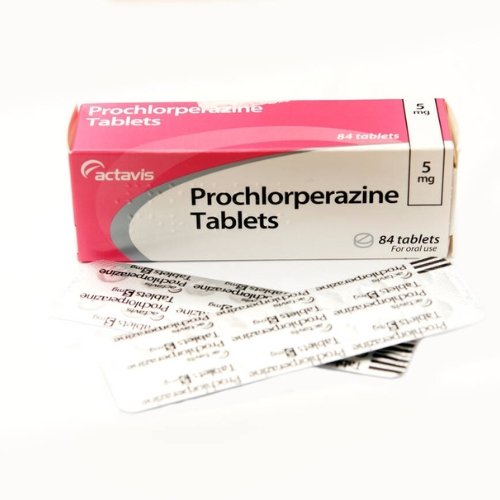


Prochlorperazine 10 mg: Uses, Dosage, Side Effects, Safety, and Frequently Asked Questions
What Is Prochlorperazine 10 mg?
Prochlorperazine 10 mg is a prescription medication used to treat nausea, vomiting, severe dizziness (vertigo), and certain psychiatric conditions. It belongs to a class of medicines called phenothiazines, which affect the activity of dopamine in the brain.
Depending on the country and formulation, prochlorperazine is available as:
- 10 mg tablets
- Buccal tablets
- Suppositories
- Injection (administered by healthcare professionals)
It is commonly prescribed for the short-term treatment of nausea and vomiting and may also be used for vertigo or schizophrenia.
How Prochlorperazine Works

Prochlorperazine blocks dopamine (D2) receptors in the brain.
This helps to:
- Reduce nausea and vomiting.
- Relieve dizziness associated with vertigo.
- Control certain symptoms of schizophrenia and other psychotic disorders.
Prochlorperazine 10 mg Uses
Prochlorperazine may be prescribed for:
Nausea and Vomiting
- Nausea caused by illness.
- Vomiting due to various medical conditions.
- Medication-related nausea.
Vertigo
- Severe dizziness associated with inner ear disorders.
Schizophrenia
- Management of symptoms such as hallucinations and disorganized thinking in selected patients.
Your healthcare provider will determine the most appropriate use based on your condition.
Benefits of Prochlorperazine 10 mg
When taken as prescribed, prochlorperazine may help:
- Control nausea and vomiting.
- Relieve symptoms of vertigo.
- Improve comfort during illness.
- Help manage certain psychiatric symptoms when indicated.
Prochlorperazine 10 mg Dosage
The correct dose depends on:
- The condition being treated.
- Age.
- Overall health.
- Liver function.
- Individual response to treatment.
General guidance:
- Take exactly as prescribed.
- Do not increase or reduce the dose without medical advice.
- Use the lowest effective dose for the shortest duration appropriate for your condition.
How to Take Prochlorperazine
For best results:
- Swallow tablets whole with water.
- It may be taken with or without food.
- If it causes stomach upset, taking it with food may help.
- Follow your prescribed dosing schedule carefully.
Missed Dose
If you miss a dose:
- Take it as soon as you remember.
- If it is nearly time for your next dose, skip the missed dose.
- Do not take two doses at the same time.
Common Side Effects
Common side effects may include:
- Drowsiness.
- Dizziness.
- Dry mouth.
- Blurred vision.
- Constipation.
- Low blood pressure when standing (orthostatic hypotension).
- Nasal congestion.
These effects may be more noticeable when starting treatment.
Serious Side Effects
Seek immediate medical attention if you experience:
- Uncontrolled muscle movements or muscle stiffness.
- High fever, severe muscle rigidity, confusion, or sweating (possible neuroleptic malignant syndrome).
- Difficulty swallowing or breathing.
- Severe allergic reactions.
- Yellowing of the skin or eyes.
- Seizures.
- Irregular heartbeat.
Long-term use may increase the risk of tardive dyskinesia, a movement disorder that can become permanent.
Safety Information
Before taking prochlorperazine, tell your healthcare provider if you have:
- Parkinson’s disease.
- Epilepsy or seizure disorders.
- Liver disease.
- Heart disease.
- Low blood pressure.
- Glaucoma.
- Enlarged prostate or urinary retention.
- Pregnancy or plans to become pregnant.
- Breastfeeding.
Older adults, particularly those with dementia-related psychosis, may have a higher risk of serious side effects. Prochlorperazine is not approved for treating dementia-related psychosis.
Drug Interactions
Prochlorperazine may interact with:
- Alcohol.
- Opioid pain medications.
- Sleeping tablets.
- Anti-anxiety medications.
- Other antipsychotic medicines.
- Antidepressants.
- Medicines that prolong the QT interval.
- Antihistamines.
Always provide your healthcare provider with a complete list of your medications and supplements.
Alcohol and Prochlorperazine
Alcohol can increase drowsiness, dizziness, and impaired coordination while taking prochlorperazine. Avoid or limit alcohol unless your healthcare provider advises otherwise.
Pregnancy and Breastfeeding
If you are pregnant, planning to become pregnant, or breastfeeding:
- Discuss the potential benefits and risks with your healthcare provider.
- Prochlorperazine should only be used when the expected benefit outweighs potential risks.
Storage
Store prochlorperazine tablets:
- At room temperature.
- Away from moisture and direct sunlight.
- In the original packaging.
- Out of reach of children.
Frequently Asked Questions (FAQs)
What is Prochlorperazine 10 mg used for?
Prochlorperazine 10 mg is used to treat nausea, vomiting, vertigo, and certain psychiatric conditions such as schizophrenia.
Is prochlorperazine an anti-sickness medicine?
Yes. It is commonly prescribed to prevent and treat nausea and vomiting.
Can prochlorperazine make me sleepy?
Yes. Drowsiness is one of the most common side effects.
Can I drive while taking prochlorperazine?
Avoid driving or operating machinery until you know how the medication affects you, as it may cause drowsiness or dizziness.
Can prochlorperazine be taken with food?
Yes. It can be taken with or without food. Taking it with food may help reduce stomach upset.
Can older adults take prochlorperazine?
Yes, but older adults may be more sensitive to side effects such as drowsiness, low blood pressure, and movement disorders. Careful monitoring may be needed.
Can I stop taking prochlorperazine suddenly?
If you have been taking it regularly or for an extended period, consult your healthcare provider before stopping, as they may recommend reducing the dose gradually.
What happens if I take too much prochlorperazine?
An overdose may cause severe drowsiness, confusion, muscle stiffness, seizures, low blood pressure, or breathing problems. Seek emergency medical attention immediately if an overdose is suspected.
Is prochlorperazine addictive?
No. Prochlorperazine is not considered physically addictive, but it should only be used as prescribed.
Does prochlorperazine cure vertigo?
No. It helps relieve symptoms such as nausea and dizziness but does not treat the underlying cause of vertigo.
Final Thoughts
Prochlorperazine 10 mg is an effective medication for managing nausea, vomiting, vertigo, and certain psychiatric conditions. When used as prescribed, it can provide significant symptom relief. However, because it may cause drowsiness and has the potential for serious neurological side effects, it should be taken only under the supervision of a qualified healthcare professional.
If you experience severe muscle stiffness, uncontrolled movements, high fever, or signs of an allergic reaction, seek immediate medical attention.
Medical Disclaimer: This article is for educational and informational purposes only and should not replace professional medical advice, diagnosis, or treatment. Always consult a qualified healthcare professional before starting, stopping, or changing any medication.
| Quantity | 30 Pills, 60 Pills, 120 Pills, 180 Pills, 200 Pills, 250 Pills, 300 Pills, 400 Pills, 500 Pills |
|---|
Be the first to review “Prochlorperazine 10mg”
Related products

Drugs

Drugs
Drugs

Drugs

Drugs

Drugs
Drugs

Drugs
Reviews
There are no reviews yet.